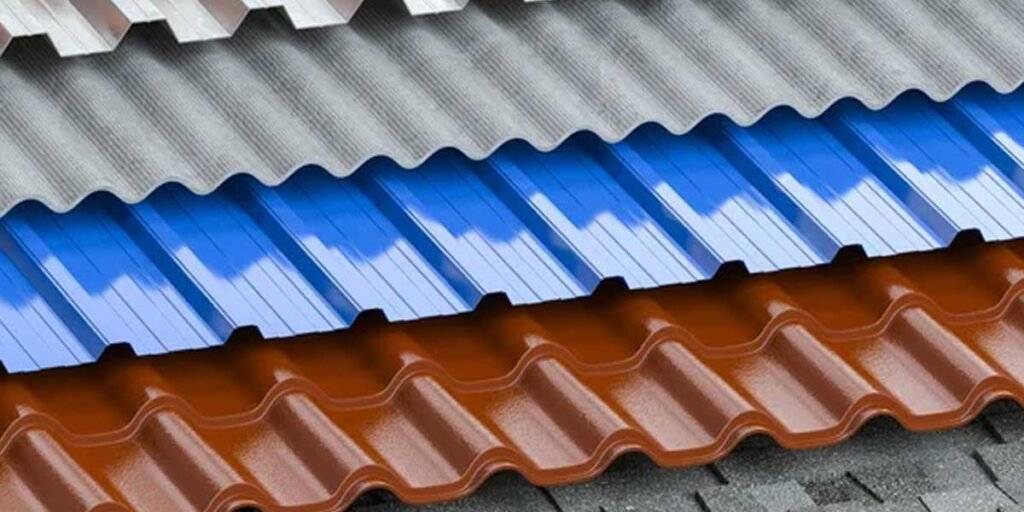
The roof is your home’s primary defense against the elements, making the choice of roofing material a critical decision for any homeowner. The ideal roofing material not only enhances your home’s aesthetic appeal but also provides long-term protection, energy efficiency, and durability, all of which are heavily influenced by your local climate. Selecting the right material ensures your home can withstand specific weather challenges, from scorching sun to heavy snow, and contributes significantly to its overall value and longevity.
Understanding Climate-Specific Challenges
Different climates present unique challenges for roofing materials. Understanding these challenges is the first step in making an informed decision.
•Hot Climates: Require materials that reflect sunlight and dissipate heat to keep interiors cool, reducing air conditioning costs. Durability against UV radiation is also crucial.
•Cold Climates: Need materials that can withstand heavy snow loads, resist ice dam formation, and endure freeze-thaw cycles without cracking or becoming brittle.
•Wet/Humid Climates: Demand materials with excellent water resistance to prevent leaks, mold, and mildew growth. Good drainage and resistance to algae are also important.
•Windy Climates: Call for materials with high wind uplift resistance to prevent shingles or panels from being torn off during storms.
•Fire-Prone Areas: Require materials with high fire ratings to protect against embers and flames.
Roofing Material Options and Their Climate Suitability
Here’s a breakdown of common roofing materials and their suitability for various climates:
1. Asphalt Shingles
•Description: The most popular roofing material in North America, made from fiberglass mat coated with asphalt and ceramic granules.
•Pros: Affordable, widely available, easy to install, and come in various colors and styles. Good for moderate climates.
•Cons: Can degrade under extreme heat or cold. Less durable in very high winds. Dark colors absorb heat.
•Climate Suitability: Best for moderate climates. Lighter colors can improve performance in hot climates, and heavier architectural shingles offer better wind resistance.
2. Metal Roofing (Steel, Aluminum, Copper, Zinc)
•Description: Available in panels, shingles, or tiles, metal roofs are known for their longevity and strength.
•Pros: Extremely durable, long-lasting (50+ years), excellent fire resistance, good wind resistance, and energy-efficient (especially lighter colors that reflect solar radiation). Can shed snow easily.
•Cons: Higher upfront cost, can be noisy during rain/hail, and prone to denting.
•Climate Suitability: Excellent for hot, cold, wet, and fire-prone climates. Their reflective properties make them ideal for hot regions, while their strength and ability to shed snow suit cold areas.
3. Clay and Concrete Tiles
•Description: Heavy, durable tiles that offer a distinctive aesthetic, often seen in Mediterranean or Spanish-style architecture.
•Pros: Extremely long-lasting (100+ years), excellent fire resistance, good insulation properties, and resistant to rot and insects. Can withstand high winds.
•Cons: Very heavy (requires strong roof structure), brittle (can break if walked on), and higher cost.
•Climate Suitability: Ideal for hot, dry climates due to their thermal mass and fire resistance. Also suitable for wet climates due to water shedding properties, but can be susceptible to freeze-thaw damage in very cold regions.
4. Wood Shakes and Shingles
•Description: Made from cedar, redwood, or cypress, offering a natural, rustic look.
•Pros: Aesthetically pleasing, natural insulator.
•Cons: Requires regular maintenance, susceptible to fire (unless treated), rot, and insect damage. Shorter lifespan than other premium materials.
•Climate Suitability: Best for moderate, dry climates. Not recommended for very wet or fire-prone areas unless specifically treated.
5. Slate Roofing
•Description: A natural stone material cut into thin tiles.
•Pros: Incredibly durable (100+ years), fireproof, resistant to rot and insects, and offers a unique, high-end appearance.
•Cons: Very heavy, extremely expensive, and requires specialized installation.
•Climate Suitability: Excellent for all climates, particularly cold and wet regions due to its imperviousness to water and freeze-thaw resistance.
6. Synthetic Roofing Materials (Composite Shingles, Synthetic Slate/Shake)
•Description: Made from recycled plastics, rubber, or other synthetic polymers, designed to mimic the look of natural materials like slate or wood.
•Pros: Lightweight, durable, often made from recycled content, good fire and wind resistance, and low maintenance. Can be very energy-efficient.
•Cons: Can be more expensive than asphalt shingles, and the aesthetic might not be as authentic as natural materials.
•Climate Suitability: Versatile and suitable for most climates, offering good performance in hot, cold, and wet conditions due to their engineered properties.
Key Considerations When Choosing
•Local Building Codes: Always check local regulations and HOA requirements, as they may restrict certain materials or colors.
•Budget: Upfront cost vs. long-term value. More expensive materials often have longer lifespans and lower maintenance costs.
•Energy Efficiency: Consider materials with high solar reflectivity (cool roofs) in hot climates to reduce cooling costs.
•Maintenance: Some materials require more maintenance than others. Factor this into your decision.
•Aesthetics: The roof significantly impacts your home’s curb appeal. Choose a material and color that complements your home’s architectural style.
Conclusion
Choosing the right roofing material is a significant investment that impacts your home’s protection, energy efficiency, and appearance for decades. By carefully considering your local climate’s specific challenges and evaluating the pros and cons of various materials, you can make an informed decision that ensures your home remains safe, comfortable, and beautiful for years to come. Consulting with a professional roofing contractor can provide invaluable insights tailored to your specific needs and location.
