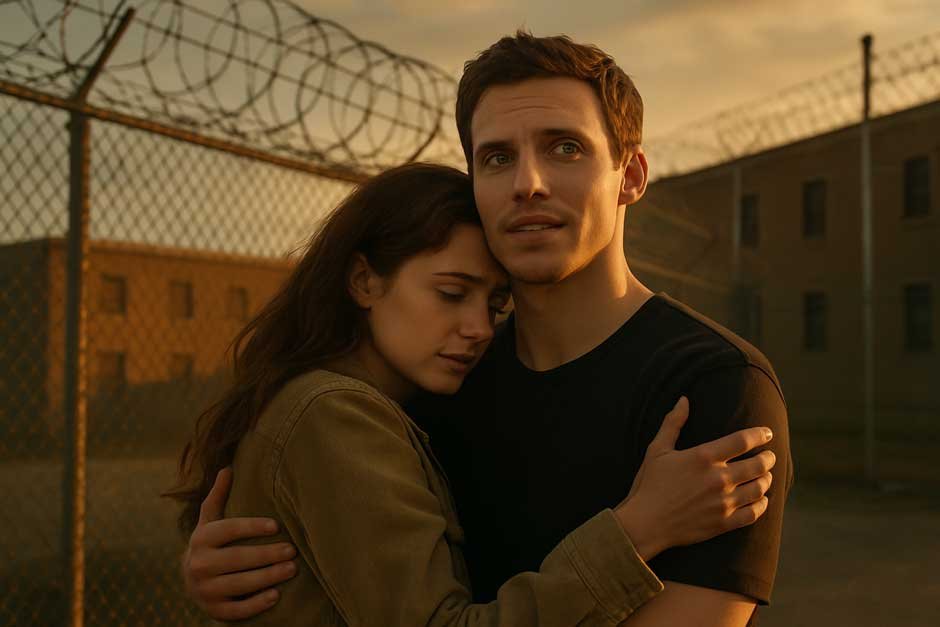
Is it possible to find enduring romance when one partner is behind bars? This is the central, often tumultuous, question posed by the reality television phenomenon, Love After Lockup. The show invites viewers into a world where love letters turn into real-life commitments, but the transition from prison pen pal to free-world partner is rarely smooth.
The series, which premiered in 2018, chronicles the lives of couples who have formed relationships while one person was incarcerated. The cameras begin rolling just as the inmate is released, capturing the raw, immediate challenges of their first days of freedom.
The Premise: What is Love After Lockup?
From Pen Pals to Partners: The Show’s Unique Hook
The unique premise taps into a universal fascination with forbidden love and second chances. It documents the high-stakes gamble taken by the non-incarcerated partner, who often sacrifices their own stability for a person they have only known through letters and phone calls. The emotional intensity is immediate and often overwhelming.
The couples featured must navigate a minefield of emotional baggage, financial instability, and the deep-seated skepticism of their loved ones. For many, the fantasy of a perfect reunion quickly collides with the harsh realities of life outside the prison walls.
The Rocky Road to Reentry
More Than Just a Relationship: Navigating Parole and Probation
For the newly released individuals, freedom is not a simple switch from confinement to normalcy. They face a daunting landscape of practical and emotional hurdles that test the foundation of their relationships.
The reality of post-prison life is heavily regulated by parole and probation. Simple acts, like moving to a new city or even spending time with certain people, become complex legal issues. This constant scrutiny places immense pressure on the relationship, turning every decision into a potential legal pitfall.
Trust, Lies, and Family Ties
The Non-Incarcerated Partner’s Burden
A recurring theme is the struggle with trust, often rooted in the secrets and deceptions that occurred during the incarceration period. The non-incarcerated partner must contend with the inmate’s past, while the former inmate must prove their commitment to a new, honest life.
The burden on the partner on the outside is often immense. They are frequently the sole provider of housing, transportation, and financial support, all while dealing with the skepticism and judgment of their own family and friends. This dynamic often creates an unhealthy power imbalance that strains the relationship to its breaking point.
The Show’s Unintentional Social Commentary
A Stark Look at the Criminal Justice System
Beyond the drama, the series offers a surprisingly stark, if unintentional, look at the challenges of reentry. It highlights the systemic barriers—from finding employment to securing housing—that make a successful transition back into society incredibly difficult.
The show demonstrates how the system often sets up former inmates and their partners for failure. The restrictions of supervised release can feel like a continuation of incarceration, making it nearly impossible for the couples to build a normal, stable life together.
Why Audiences Can’t Look Away
The Enduring Appeal of High-Stakes Reality TV
Despite the chaos and heartbreak, the show remains a massive hit, drawing in millions of viewers each week. The appeal lies in the raw, unfiltered human emotion and the high-stakes nature of the relationships.
Viewers are drawn to the spectacle of people taking enormous risks for love, hoping to witness a genuine success story against all odds. It is a compelling blend of aspirational romance and cautionary tale, making it a staple of modern reality television.
Frequently Asked Questions (FAQ)
Is Love After Lockup scripted?
While the show is classified as reality television, producers have admitted to guiding the narrative and sometimes encouraging certain dramatic situations. However, the core relationships and the legal challenges faced by the former inmates are very much real.
Do the couples on Love After Lockup get paid?
Yes, the couples are compensated for their appearance on the show, though the exact amounts are not publicly disclosed. This compensation is often a significant factor for the former inmates as they attempt to rebuild their financial lives.
What is the success rate of the couples?
The success rate is notably low. The majority of the couples featured on the show and its spin-offs have broken up, and many of the former inmates have returned to prison. This low success rate underscores the immense difficulty of post-incarceration relationships.
