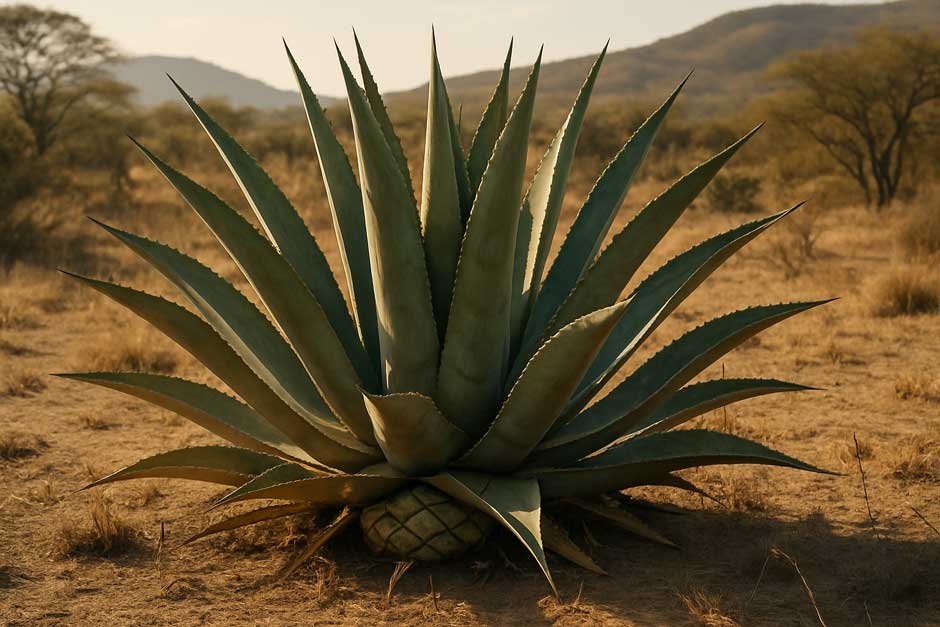
The story of mezcal is inextricably linked to the plant from which it is derived: the agave. This resilient succulent, often mistaken for a cactus, is the very soul of the spirit, embodying centuries of Mexican tradition and craftsmanship. While the final product is a complex and smoky distillate, its origins lie in the arid, sun-drenched landscapes where the agave thrives, patiently accumulating the sugars that will one day define the spirit.
Understanding mezcal begins with an appreciation for the plant itself, a botanical marvel that demands time, respect, and a deep knowledge of the land. The journey from a small agave shoot to a bottle of fine mezcal is a testament to the slow, deliberate pace of nature, a process that modern industry has struggled to replicate without sacrificing authenticity.
The Agave: More Than Just a Plant
The agave, or *maguey* as it is known in Mexico, is a genus of monocots native to the hot and arid regions of the Americas. Its striking appearance, with thick, fleshy leaves ending in sharp spines, makes it a symbol of the harsh but beautiful environment it inhabits. Crucially, the agave is a monocarpic plant, meaning it flowers only once in its lifetime before dying, a biological characteristic that adds a layer of reverence to its harvest.
A Diverse Family
A key distinction of mezcal is the sheer variety of agave species that can be used in its production. Unlike tequila, which is restricted to the Blue Agave (*Agave tequilana*), mezcal can be made from over 30 different types of agave. This botanical diversity is the primary reason for mezcal’s wide and complex flavor profile, ranging from floral and fruity to intensely earthy and smoky.
The most common variety is Espadín (*Agave angustifolia*), which is favored for its relatively quick maturation and high sugar content. However, wild varieties like Tobalá, Tobaziche, and Tepeztate are highly prized, each contributing unique and often rare characteristics to the final spirit. The choice of agave is the first and most critical decision a *mezcalero* makes, fundamentally shaping the character of the final product.
The Long Wait
Patience is perhaps the most defining element of the mezcal plant’s life cycle. Depending on the species, an agave can take anywhere from seven to thirty-five years to reach maturity. This long maturation period means that every bottle of mezcal represents a significant investment of time and resources, a factor that underscores the artisanal nature of the spirit.
The *mezcalero* must carefully monitor the plant, waiting for the precise moment when the sugar content in the heart, or *piña*, is at its peak. Harvesting too early or too late can compromise the quality of the spirit, making the long wait a necessary act of faith and expertise.
The Heart of Mezcal: The Piña
The usable part of the agave plant is the *piña*, the large, pineapple-shaped core that remains after the long, sword-like leaves are stripped away. This core is essentially a massive storage organ, packed with the starches and fructans that will be converted into fermentable sugars during the cooking process. A single mature *piña* can weigh anywhere from 50 to over 400 pounds, depending on the agave species.
Harvesting the Piña
The harvest, known as the *jima*, is a labor-intensive process performed by skilled workers called *jimadores*. Using a sharp, long-handled tool called a *coa*, they expertly trim the leaves, leaving only the central core. This is a moment of culmination, marking the end of the plant’s long life and the beginning of its transformation into mezcal.
The size and density of the *piña* are direct indicators of the quality of the raw material. The careful selection and trimming of the *piña* are crucial steps that ensure only the best of the agave’s essence is carried forward into the next stages of production.
The Traditional Mezcal Production Process
The production of mezcal is an ancient craft, largely unchanged for centuries, which is why it retains a deep connection to the land and its history. The traditional methods are what give mezcal its distinctive, smoky flavor, a characteristic that sets it apart from other agave spirits.
Roasting in Earthen Ovens
The most crucial step is the cooking of the *piñas*. Unlike tequila, where the *piñas* are often steamed in industrial ovens, mezcal *piñas* are traditionally roasted in conical earthen pits lined with volcanic rock. A fire is built in the pit, and the *piñas* are covered with layers of fiber, earth, and tarps, where they slow-roast for several days.
This prolonged exposure to heat and smoke from the wood fire is what caramelizes the sugars and imparts the signature smoky flavor that is the hallmark of true mezcal. It is a process that requires constant monitoring and deep understanding of the heat dynamics within the earth.
Crushing and Fermentation
Once cooked, the soft, smoky *piñas* are crushed to extract the sugary fibers. Historically, this was done using a large stone wheel, known as a *tahona*, pulled by a horse or donkey. The resulting mash, consisting of both the juice and the fibers, is then transferred to large wooden vats for fermentation.
Fermentation is typically carried out using wild, ambient yeasts, allowing the natural environment to contribute to the final flavor profile. This reliance on local, natural processes further emphasizes the artisanal and regional character of the spirit, making each batch a unique expression of its origin.
Mezcal vs. Tequila: A Matter of Agave and Method
While both mezcal and tequila are agave spirits, the differences in the source plant and production method are profound. Tequila’s reliance on a single agave species and often more industrialized production leads to a generally more consistent and less complex flavor profile. Mezcal, by contrast, embraces variety and tradition.
The use of multiple agave species and the essential step of roasting the *piñas* in earthen pits are the two main factors that distinguish mezcal. These choices result in a spirit that is not only smoky but also more varied, reflecting the terroir and the specific hand of the *mezcalero* who crafted it. The mezcal plant, in all its diverse forms, is the foundation of this rich and varied tradition.
The mezcal plant is more than just an ingredient; it is a cultural icon, a symbol of resilience, and the embodiment of a slow, time-honored craft. Its long life and dramatic transformation into a complex spirit serve as a powerful reminder of the deep connection between the land, the people, and the enduring traditions of Mexico.
