What is the Enduring Power of Nativität?
Why does the concept of Nativität, or the Nativity, continue to captivate hearts and minds across the globe centuries after its origin? This German term, which translates simply to “nativity” or “birth,” carries a weight far beyond its literal definition. It represents one of the most pivotal moments in Western history and religious tradition.
The story of a humble birth in a stable has inspired countless works of art, music, and literature. It serves as a foundational narrative for the Christmas season, embodying themes of hope, peace, and divine intervention.
The Etymology and Core Meaning of Nativität
The word Nativität is rooted in the Latin nativitas, meaning “birth.” It is most commonly used in German-speaking countries to refer specifically to the birth of Jesus Christ. While it can refer to any birth, its religious context is dominant.
Understanding this term is key to appreciating the cultural and historical impact of the event it describes. It is a concept that transcends language, symbolizing a new beginning and the arrival of a savior.
The Historical Narrative: The Birth of Christ
The central narrative of Nativität is drawn from the Gospels of Matthew and Luke in the New Testament. It recounts the journey of Mary and Joseph to Bethlehem. This journey was undertaken to comply with a Roman census decreed by Caesar Augustus.
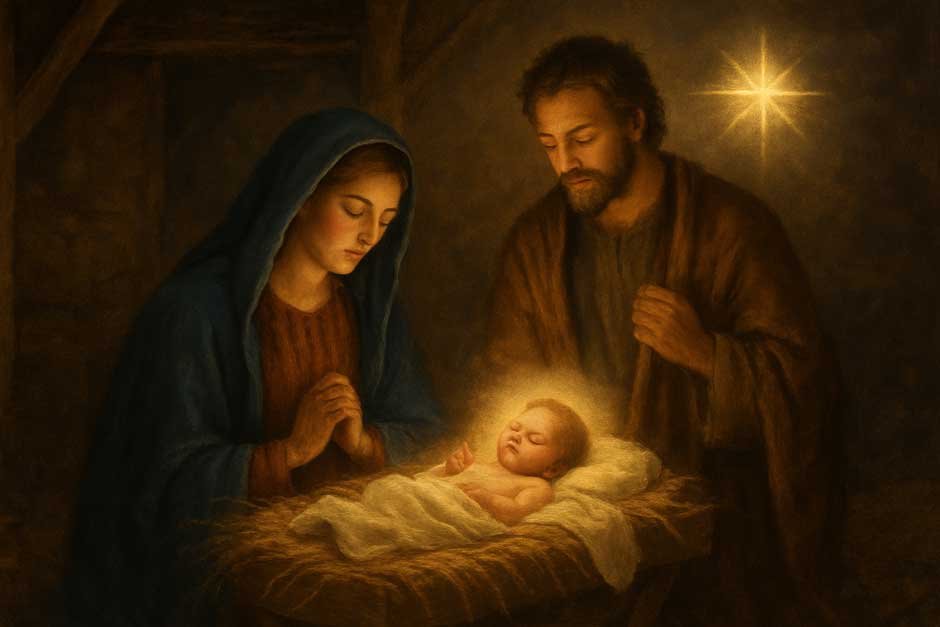
Finding no room at the inn, Mary gave birth to Jesus in a stable. The newborn was laid in a manger, a feeding trough for animals. This humble setting is central to the message of humility and simplicity.
The Setting: Bethlehem and the Manger
The scene is completed by the presence of shepherds, who were the first to receive the news from an angel. Later, the Magi, or Three Wise Men, arrived from the East, guided by a star. They brought gifts of gold, frankincense, and myrrh.
This gathering of figures—from the poor shepherds to the wealthy kings—underscores the universal significance of the birth. It is a story that unites all strata of society under a single, miraculous event.
Nativität in Art and Iconography
For centuries, the Nativität has been a powerful subject for artists. Renaissance masters like Leonardo da Vinci and Sandro Botticelli created iconic depictions that shaped the visual understanding of the event. These works often emphasize the light emanating from the Christ child, symbolizing divine glory.
The artistic tradition continues today, with the scene rendered in countless styles and mediums. It remains a timeless subject that speaks to the human experience of wonder and faith.
The Role of the Crèche (Nativity Scene)
Perhaps the most tangible expression of Nativität is the crèche, or Nativity scene. This tradition is widely credited to Saint Francis of Assisi, who created the first living Nativity scene in Greccio, Italy, in 1223. His intention was to make the story more accessible and real to the common people.
Today, these scenes, whether elaborate displays or simple figurines, are a ubiquitous part of Christmas decorations. They serve as a physical reminder of the story’s core message and the spirit of the season.
Cultural Traditions and Global Celebrations
The celebration of Nativität is woven into the fabric of Christmas traditions worldwide. In German-speaking countries, the season is marked by Advent calendars, Christmas markets (Christkindlmärkte), and the singing of carols.
The focus is often on family, charity, and reflection. While the specific customs vary greatly from country to country, the underlying theme of celebrating a miraculous birth remains constant.
The Modern Resonance of Nativität
Beyond its religious context, the story of Nativität holds a profound modern resonance. It is a powerful allegory for hope emerging from hardship, and the virtue of humility. The image of a powerful figure born into poverty challenges conventional notions of status and wealth.
For many, the Nativity serves as a yearly call to embrace simplicity, generosity, and peace. It encourages a focus on spiritual values over material possessions, making its message timeless and universally relevant.
Frequently Asked Questions (FAQ)
Q: What is the exact meaning of the word Nativität?
A: Nativität is a German word derived from the Latin nativitas, meaning “birth.” In a religious context, it specifically refers to the Nativity of Jesus Christ.
Q: Who created the first Nativity scene (crèche)?
A: Saint Francis of Assisi is traditionally credited with creating the first living Nativity scene in Greccio, Italy, in the year 1223.
Q: What are the main themes associated with the Nativität story?
A: The main themes include humility, hope, peace, simplicity, and the concept of divine love. The story emphasizes that the most significant events can occur in the most humble settings.
