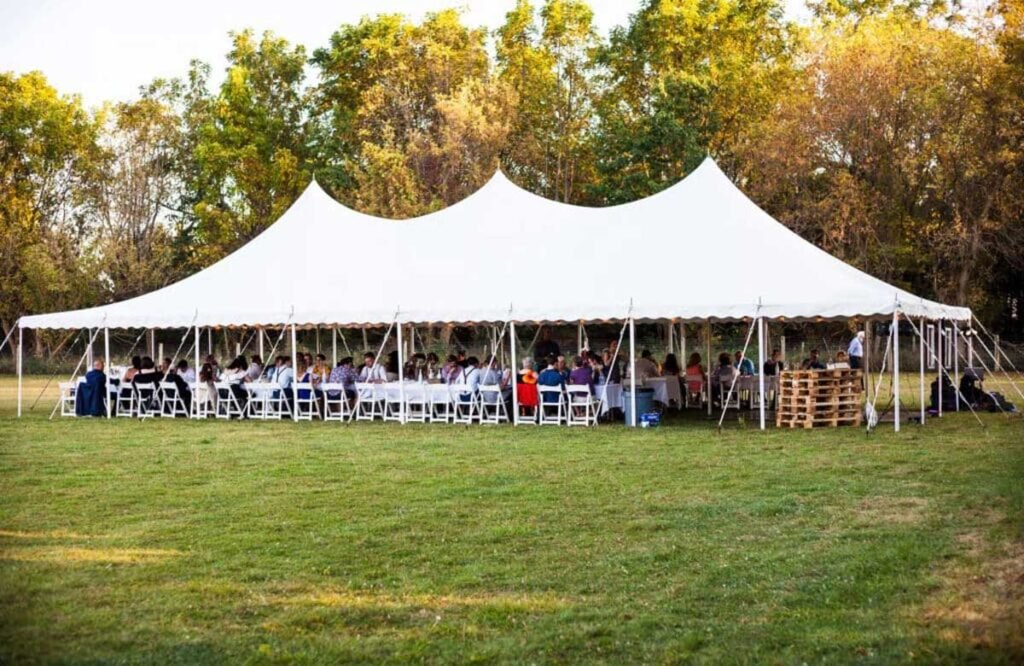
Outdoor events look amazing, but they only feel “easy” when comfort is planned on purpose. Guests remember two things more than décor. Whether they felt comfortable, and whether the event flowed smoothly. Rentals are what make that happen. They create shade and shelter, give people a place to sit and eat, and keep the space usable after the sun goes down. If you’ve ever been to an outdoor party where everyone ends up crowded inside because it’s too hot, too dark, or suddenly windy, that wasn’t a “weather problem.” That was a planning problem.
The best rental setup starts with the basics of human comfort. Protection from sun and heat. Seating that fits the type of event. Lighting that makes people feel safe walking around and helps the space feel welcoming. Then you layer in the extras, like a bar setup, lounge areas, dance floors, and décor pieces that match the vibe.
A rental company can help you choose the right mix based on guest count and venue conditions. And if you’re researching what’s available and how outdoor setups are usually built, greenwichtent.com is a good starting point for understanding categories and typical event needs. A professional team like Greenwich Tent Company can also help you avoid common mistakes, like underestimating lighting, forgetting walkways, or choosing seating that doesn’t match how guests will actually spend the evening.
Why Shade, Seating, and Lighting Matter
Shade is the first comfort priority for most outdoor events, especially in warmer months. Without it, guests get tired faster, food and drinks warm up quickly, and the event can feel like work instead of fun. Tents, canopies, and covered seating areas help control heat and keep the event usable even when the sun is intense. Shade also protects key areas like buffet tables, bars, dessert stations, and gift tables, which can be damaged by direct sun and heat.
Seating matters because people don’t all “mingle” the same way. Even at cocktail-style events, guests need places to rest, especially older relatives, pregnant guests, or anyone with mobility issues. Having enough seating also changes how long people stay. If guests can sit comfortably, eat without balancing a plate in their lap, and chat in small groups, the event naturally feels more relaxed. A mix often works best. Dining tables for meals, cocktail tables for standing conversations, and a small lounge area for people who want a quieter spot.
Lighting becomes essential as soon as the sun starts to drop. It’s not only about atmosphere. It’s safety. Guests need to see stairs, uneven ground, walkways, and transitions between areas. Lighting also keeps the event from feeling “over” when it’s still going. String lights can create a warm vibe, but you usually need practical lighting too. Entry points, serving areas, and pathways should be bright enough that people don’t trip or spill drinks.
Weather Planning Tips for a Smooth Event Day
Weather planning is about being realistic, not pessimistic. Even a perfect forecast can shift quickly, and outdoor events need a backup plan that doesn’t feel like a panic move. Start with the big questions. What happens if it rains for 20 minutes? What happens if it rains all day? What happens if it’s hotter or colder than expected? If you can answer those three, your event is already ahead of most.
For rain, covered zones are the priority. A tent or canopy gives you immediate protection, but think about side protection too. Wind-driven rain can soak guests even under a roof if the sides are open. Sidewalls or partial walls can help, especially for seated dinners. Also consider ground conditions. Grass can turn muddy fast, and heels plus mud is a bad combo. Flooring, mats, or planned pathways can keep things manageable.
For heat, shade plus airflow is key. Position tents for breeze when possible, keep drinks chilled, and avoid putting seating in full sun. Fans can help in enclosed tent setups. For cold evenings, heaters can make the difference between guests leaving early and guests staying to dance. Just make sure placement is planned safely and the venue allows them.
Finally, plan timing and logistics. Confirm setup windows, allow buffer time, and make sure key items like lighting and weather protection are installed early, not “we’ll add it later.” With a calm weather plan in place, you’ll enjoy the day more because you’re not constantly watching the sky.
