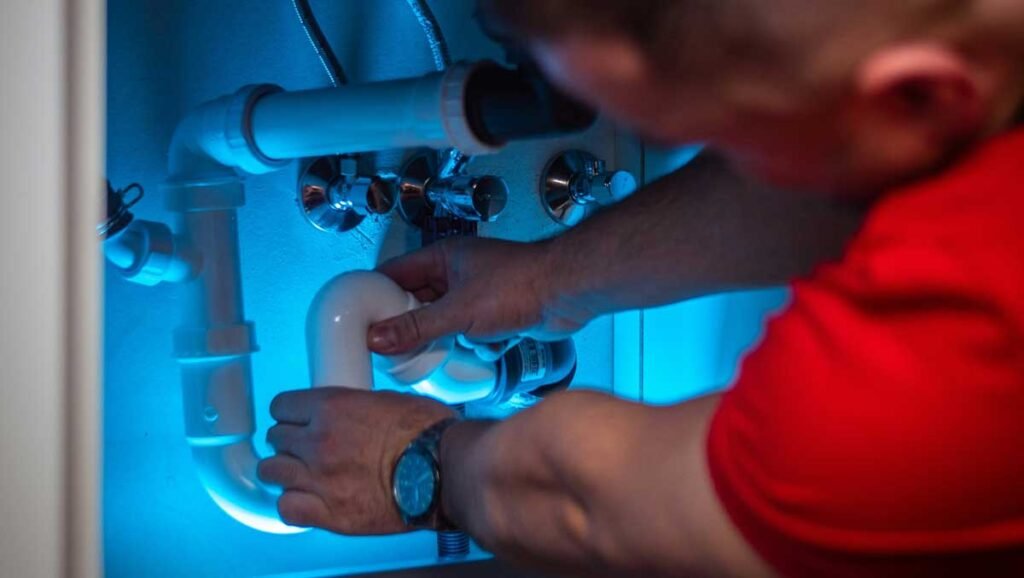
Living beside a river or waterfront offers lifestyle benefits, but it also introduces plumbing conditions that do not affect most suburban homes. Proximity to water changes how soil behaves, how moisture moves, and how plumbing systems age over time, adds Advanced Solutions Property Management professionals.
Riverside properties are exposed to higher humidity, fluctuating ground conditions, and older underground infrastructure. These factors combine to create plumbing issues that are often more persistent and harder to diagnose without local experience.
Constant Moisture and Accelerated Pipe Corrosion
Moist environments place continuous stress on plumbing materials, particularly in older homes with metal pipework. Even well installed systems can deteriorate faster when exposed to damp soil and humid air.
Common signs homeowners notice include:
- Reduced water pressure that worsens gradually
- Rust tinted or cloudy water from taps
- Small leaks appearing without obvious cause
- Frequent pinhole failures in ageing copper or galvanised pipes
Left unaddressed, corrosion can spread silently behind walls or below ground, turning a minor issue into a costly repair.
Ground Movement and Shifting Pipework Near Rivers
Riverside soil behaves differently to standard residential ground. Water saturation, erosion, and seasonal changes can cause subtle but ongoing movement beneath a home.
Plumbing systems affected by ground movement often show:
- Cracked underground pipes
- Misaligned joints causing recurring leaks
- Drains that block repeatedly despite clearing
- Unexplained wet patches in gardens or under flooring
These issues are rarely one off events. They tend to return unless the underlying movement is properly assessed.
Drainage Problems Linked to High Water Tables
| Issue | How It Affects Plumbing |
| Rising water tables | Slower stormwater drainage |
| Heavy rainfall | Increased risk of sewer backflow |
| Saturated ground | Reduced effectiveness of gravity drainage |
| Poor runoff | Water pooling near foundations |
In riverside areas, drainage systems must work harder to move water away from the property. When they cannot, problems escalate quickly during storms or prolonged rain.
Tree Roots and Riverside Vegetation Pressure
Mature trees thrive near water sources, and their roots actively seek moisture. Sewer and stormwater pipes provide an ideal target.
Root intrusion often leads to:
- Frequent blockages that return within weeks
- Cracked pipes from root expansion
- Collapsed sections in older clay or earthenware lines
Clearing the blockage alone rarely solves the issue. Without addressing root entry points, the damage continues underground.
Local Experience Matters in Waterfront Suburbs
Plumbing challenges in riverside homes are rarely textbook problems. They are shaped by location, soil behaviour, council requirements, and the age of surrounding infrastructure.
Homeowners benefit most from plumbers who work regularly in waterfront suburbs and understand how these factors interact. In Inner West riverfront areas, many homeowners rely on Abbotsford residents using Graham & Sons Plumbing because local experience helps identify the real cause of recurring issues rather than treating surface symptoms.
How Graham & Sons Plumbing Supports Riverside Homeowners
Waterfront plumbing problems often look simple on the surface but are usually driven by deeper environmental causes. Graham and Sons Plumbing approaches riverside work with a focus on diagnosis before repair.
Their work in Inner West waterfront suburbs involves assessing soil conditions, pipe age, drainage design, and recurring failure patterns. Rather than applying short term fixes, they focus on solutions that account for moisture exposure, ground movement, and vegetation pressure.
For homeowners, this means fewer repeat call outs, clearer explanations of what is actually happening underground, and repairs that are designed to last in demanding riverfront conditions.
Preventative Plumbing Checks for Waterfront Properties
Preventative maintenance is particularly valuable for homes located near rivers or tidal waterways. Small issues tend to escalate faster in these environments.
Recommended checks include:
- Periodic drain inspections to detect early root intrusion
- Pressure testing to identify corrosion related weaknesses
- Inspection of external pipework after prolonged rain
- Monitoring water pressure changes over time
- Reviewing drainage performance during heavy rainfall
Addressing early warning signs reduces the risk of sudden failures and water damage.
When Minor Issues Become Major Repairs
One of the most common patterns seen in riverside homes is delay. A slow drain or occasional pressure drop is easy to ignore until conditions worsen.
In high moisture areas, delays often lead to:
- Structural water damage
- Mould growth under floors or behind walls
- Emergency repairs during storms
- Higher repair costs due to collapsed or inaccessible pipes
Early intervention is not about over maintenance. It is about preventing small problems from compounding.
Final Thoughts on Riverside Plumbing Challenges
Waterfront living brings unique responsibilities when it comes to plumbing. Moisture exposure, shifting ground, and aggressive vegetation all place additional strain on systems that were often installed decades ago.
Understanding these challenges helps homeowners make informed decisions, prioritise preventative checks, and choose professionals with genuine local experience. With the right approach, plumbing systems in riverside homes can remain reliable, compliant, and far less stressful to manage over the long term.
