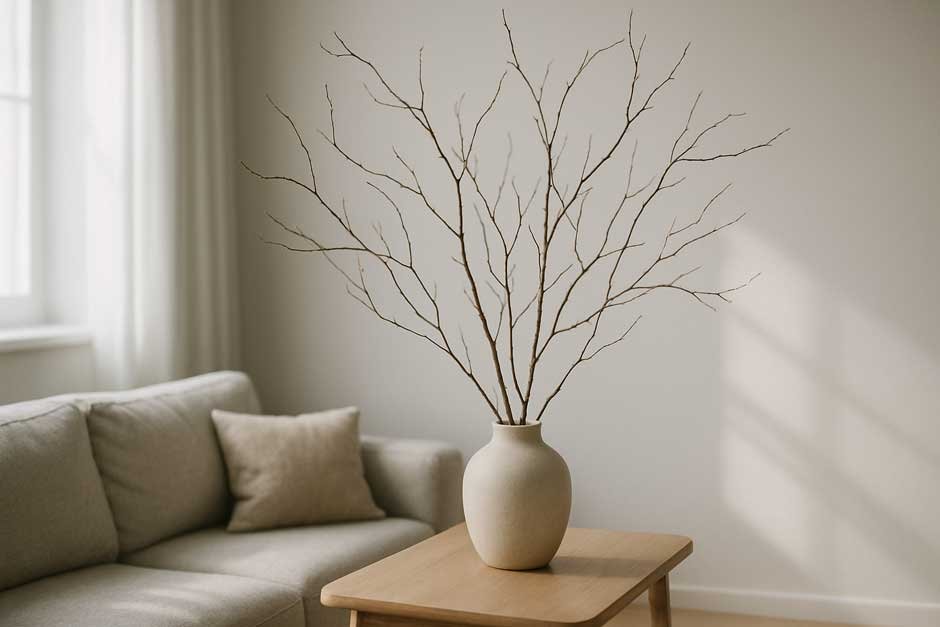
Have you ever wondered how some homes achieve that perfect balance of natural warmth and minimalist sophistication? It’s a look that feels both curated and completely effortless.
The answer might lie in a simple, yet profound, element of Nordic design: **Pyntekvister**. This Norwegian term translates literally to “decorative twigs” or “ornamental branches.”
It’s far more than just a piece of foliage, though. Pyntekvister represents a deep-seated cultural appreciation for nature and simplicity, and it’s rapidly gaining global recognition in interior design circles.
What Exactly is Pyntekvister? Definition and Heritage
Decoding the Name and Pronunciation
The word **Pyntekvister** is pronounced roughly as “pint-eh-kvis-ter.” It is a compound word from the Norwegian language, and its meaning is quite straightforward.
“Pynte” means to decorate or adorn, and “kvister” is the plural form of twig or branch. The name perfectly describes its function as a natural decorative element.
It involves the deliberate selection of natural branches, often bare or with minimal adornment, chosen specifically for their unique aesthetic qualities and sculptural form.
A Deep Root in Nordic Tradition
The practice of using decorative branches is not a new trend but a craft deeply rooted in Scandinavian heritage. For centuries, Nordic people have incorporated natural elements into their homes.
This tradition was particularly strong during the long, dark winters, where bringing life and light indoors was essential for well-being and psychological comfort.
Pyntekvister served as a symbolic connection to the changing seasons and the resilience of nature. They were often used in seasonal rituals, such as Easter or Christmas, symbolizing growth and renewal.
The Modern Appeal: Why Pyntekvister is Trending
The Biophilic Connection
In our increasingly urbanized world, there is a growing desire to reconnect with nature. This movement, known as biophilic design, seeks to integrate natural elements into modern environments.
Pyntekvister perfectly satisfies this need. By placing a simple arrangement of branches in a room, homeowners instantly introduce an organic texture and form.
This subtle addition promotes a sense of calm and well-being, enhancing the psychological comfort of a living space without overwhelming the existing design.
A Sustainable and Minimalist Choice
The philosophy behind Pyntekvister aligns perfectly with contemporary values of sustainability and minimalism. It encourages the use of locally sourced, natural materials that can be responsibly foraged.
Unlike mass-produced plastic decorations, these branches offer a zero-waste, biodegradable option for home styling. Their inherent simplicity also complements the clean lines of minimalist design.
This approach proves that true elegance doesn’t require excessive consumption, but rather a thoughtful appreciation of natural forms and textures.
Practical Guide: Incorporating Pyntekvister into Your Space
Sourcing and Selecting Your Twigs
The key to a successful Pyntekvister arrangement lies in the careful selection of the branches themselves. Look for twigs with interesting shapes, unique textures, or subtle color variations.
Popular choices often include birch, willow, or even dried cherry branches. Always ensure the branches are clean and completely dry before bringing them indoors.
The goal is to find pieces that possess a natural, sculptural quality, allowing them to stand alone as works of art in your home.
Creative Display and Arrangement Ideas
Pyntekvister can be displayed in countless ways. A tall, clear glass vase allows the focus to remain purely on the branches’ form and texture.
For a more rustic look, a ceramic or stoneware vessel can provide a beautiful, earthy contrast. You could use a single, dramatic branch for a statement piece, or a cluster of smaller twigs for a softer effect.
They can also be hung on a wall or above a doorway, creating a unique, nature-inspired installation that changes its mood with the light throughout the day.
The Enduring Charm: Pyntekvister vs. Artificial Decor
The fundamental difference between Pyntekvister and manufactured decor is authenticity. Artificial plants attempt to mimic nature but ultimately fall short of its genuine complexity and character.
Each Pyntekvister branch is unique, bearing the marks of its natural growth—a subtle curve, a knot, or a slight imperfection. This natural variation is what gives the arrangement its soul.
It invites a connection to the craft of arrangement and the natural world, a depth of experience that no factory-made item can replicate. The enduring charm lies in its honest, unpretentious beauty.
Frequently Asked Questions (FAQ)
How long do Pyntekvister arrangements last?
When properly dried and cared for, Pyntekvister can last for many years. They are not like fresh flowers that wilt quickly, making them a very durable decor choice.
To maintain their appearance, it is recommended to dust them occasionally and keep them out of direct, intense sunlight which can cause fading or brittleness.
Can I use Pyntekvister for seasonal decorations?
Absolutely. This is one of the most traditional uses. For spring, they can be adorned with small, brightly colored eggs or faux blossoms to celebrate renewal.
In winter, they can be decorated with small lights, pinecones, or simple white ornaments to evoke a snowy, festive landscape.
Is it ethical to forage for Pyntekvister?
Ethical foraging is crucial. Always ensure you have permission before taking branches from private land, and respect local regulations in public areas.
When foraging, only take what you need and never damage the main plant or tree. It is best to collect fallen branches or those that require minimal, careful pruning.
The practice should always respect the natural environment and its delicate balance.
