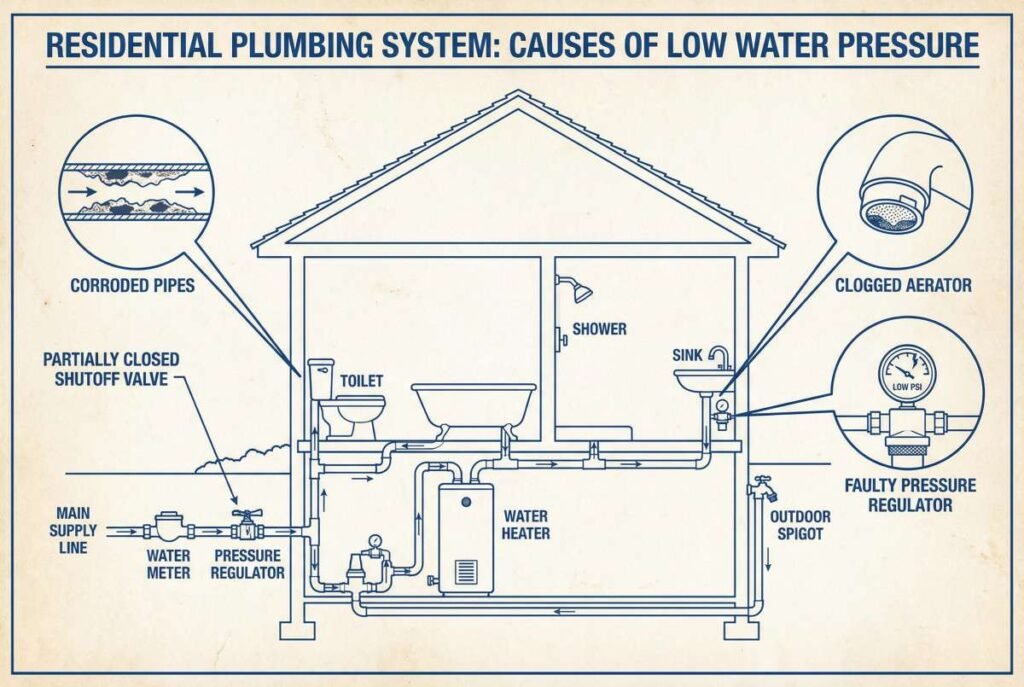
Addressing low water pressure across an entire house typically involves identifying the root cause, which can range from municipal supply issues and main line blockages to faulty pressure regulators or widespread pipe corrosion, requiring a methodical approach to diagnosis and repair.
Experiencing diminished water flow can disrupt daily routines, making simple tasks like showering or washing dishes frustrating. Understanding the common culprits behind this widespread issue is the first step toward restoring optimal water pressure.
Diagnosing Whole-House Low Water Pressure
Low water pressure affecting an entire house indicates a systemic problem within the main water supply or the home’s primary plumbing infrastructure, necessitating a comprehensive diagnostic process to pinpoint the exact cause. This involves checking the municipal supply, inspecting the main shut-off valve, and testing the pressure regulator to ensure proper function. Consistent water pressure is crucial for efficient water use and appliance longevity.
When all fixtures in a home exhibit reduced water flow, the issue is likely not isolated to a single faucet or showerhead. Instead, the problem often lies with the incoming water supply or the initial stages of the home’s plumbing system. A systematic approach to diagnosis can help homeowners or professionals efficiently identify the source of the low water pressure.
- Check with Neighbors and Utility: Inquire if neighbors are experiencing similar issues, which could indicate a municipal water supply problem. Contact your local water utility for information on area-wide pressure fluctuations or maintenance.
- Inspect the Main Shut-Off Valve: Ensure the main water shut-off valve, typically located near the water meter, is fully open. A partially closed valve can significantly restrict water flow to the entire house.
- Test the Pressure Regulator: Many homes have a water pressure regulator to prevent excessively high pressure. A malfunctioning or improperly set regulator can cause a significant drop in pressure. Attach a water pressure gauge to an outdoor spigot to measure the incoming pressure. A normal reading is typically between 40 and 60 pounds per square inch (psi) .
- Examine the Water Meter: Check the water meter for any signs of leaks or if it’s running when no water is being used inside the house, which could indicate a hidden leak in the main supply line.
Common Causes of Systemic Pressure Loss
Systemic low water pressure in a home is frequently caused by issues such as mineral buildup in pipes, a failing pressure reducing valve, hidden leaks within the main supply lines, or problems originating from the municipal water infrastructure. Addressing these underlying causes is essential for restoring consistent water flow throughout the property.
Understanding the specific reasons behind a drop in whole-house water pressure is crucial for effective troubleshooting and repair. These issues often require more than a simple fix and may necessitate professional intervention.
- Mineral Buildup and Corroded Pipes: Over time, hard water can lead to mineral deposits accumulating inside pipes, particularly in older galvanized steel plumbing. This buildup reduces the internal diameter of the pipes, restricting water flow and causing a noticeable drop in pressure.
- Failing Pressure Reducing Valve (PRV): The PRV is designed to maintain a consistent water pressure entering the home. If this valve malfunctions, it can restrict water flow, leading to low pressure throughout the house.
- Hidden Water Leaks: Leaks in the main water line, either underground or within walls, can lead to significant water loss and a corresponding decrease in overall water pressure. These leaks can be challenging to detect without specialized equipment.
- Municipal Water Supply Issues: Occasionally, the problem may originate from the local water utility, such as a broken water main, scheduled maintenance, or high demand in the area.
- Partially Closed Main Shut-Off Valve: Even a slightly closed main shut-off valve can impede the flow of water into the home, resulting in reduced pressure at all fixtures.
Effective Solutions for Restoring Water Pressure
Restoring adequate water pressure to an entire house often involves a combination of professional plumbing services and targeted DIY efforts, such as cleaning aerators, adjusting the pressure regulator, or repairing identified leaks. The most effective solution depends on the diagnosed cause of the pressure drop. Checking for system-wide issues and cleaning clogged aerators are among the initial steps homeowners can take.
Once the cause of the low water pressure has been identified, implementing the correct solution is paramount. Some fixes are straightforward enough for a homeowner to attempt, while others require the expertise of a licensed plumber.
DIY Troubleshooting and Adjustments
Before calling a professional, homeowners can perform several checks and adjustments:
- Clean Faucet Aerators and Showerheads: Mineral deposits can clog these fixtures. Unscrew them, clean out any debris, and soak them in vinegar if necessary to remove stubborn buildup.
- Check All Shut-Off Valves: Ensure all individual fixture shut-off valves (under sinks, behind toilets) and the main house shut-off valve are fully open.
- Adjust the Pressure Regulator: If you have a PRV and are comfortable doing so, you can try adjusting it slightly to increase pressure. However, exercise caution and consult a professional if unsure, as improper adjustment can cause damage.
When to Call a Professional Plumber
For more complex or persistent issues, professional help is recommended:
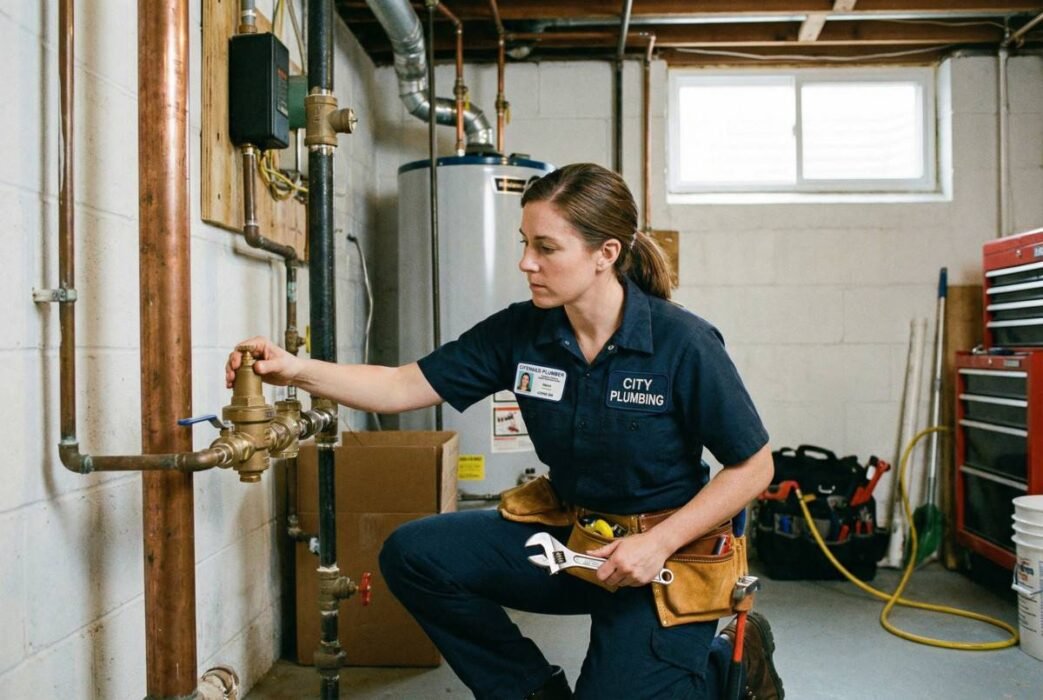
A professional plumber can accurately diagnose and resolve issues such as significant pipe corrosion, hidden leaks, or a faulty pressure reducing valve. They possess specialized tools and expertise to address problems that are beyond the scope of typical DIY repairs, ensuring the long-term integrity of your plumbing system.
| Issue | DIY Solution | Professional Solution |
|---|---|---|
| Clogged Aerators/Showerheads | Cleaning or replacement | N/A |
| Partially Closed Valves | Fully open valves | N/A |
| Minor Pipe Blockages | Flushing lines (limited effectiveness) | Hydro-jetting or pipe descaling |
| Faulty Pressure Regulator | Minor adjustment (with caution) | Replacement or expert adjustment |
| Hidden Leaks | N/A | Leak detection and repair |
| Corroded Main Pipes | N/A | Repiping or pipe lining |
| Well Pump Problems | N/A | Well system repair or replacement |
Frequently Asked Questions About Low Water Pressure
What is considered normal water pressure for a house?
Normal residential water pressure typically ranges between 40 and 60 pounds per square inch (psi). Pressures below 40 psi are generally considered low and can impact the efficiency of fixtures and appliances.
How do I check my home’s water pressure?
You can check your home’s water pressure using a water pressure gauge, which can be purchased at most hardware stores. Attach the gauge to an outdoor spigot or laundry room faucet and turn on the water to get a reading.
Can a water softener cause low water pressure?
Yes, a malfunctioning or improperly sized water softener can potentially restrict water flow and contribute to low water pressure in your home. Regular maintenance of water softeners is important to prevent such issues.
How much does it cost to fix low water pressure?
The cost to fix low water pressure varies widely depending on the cause. Simple DIY fixes like cleaning aerators are inexpensive, while professional repairs for issues like hidden leaks or pipe replacement can range from a few hundred to several thousand dollars.
What is a water pressure regulator and how does it work?
A water pressure regulator (PRV) is a valve installed on the main water supply line that reduces and maintains a consistent water pressure throughout your home. It prevents high municipal water pressure from damaging your plumbing system.
How often should I flush my water heater?
It is generally recommended to flush your water heater once a year to remove sediment buildup. Sediment can reduce the efficiency of your water heater and, in some cases, contribute to water flow issues.
Conclusion
Resolving low water pressure in an entire house requires a methodical approach, starting with accurate diagnosis to identify the underlying cause. Whether the issue stems from municipal supply problems, a faulty pressure regulator, or internal plumbing issues like corroded pipes, understanding the source is key. While some minor problems can be addressed with DIY solutions, complex issues often necessitate the expertise of a qualified plumber to ensure a lasting and effective repair. Prioritizing regular maintenance and prompt attention to pressure drops can help maintain a consistent and comfortable water supply throughout your home.
References:
Peterman Heating, Cooling & Plumbing. (2025). Low Water Pressure: A Homeowner’s Guide. Retrieved from https://petermanhvac.com/blog/low-water-pressure/
