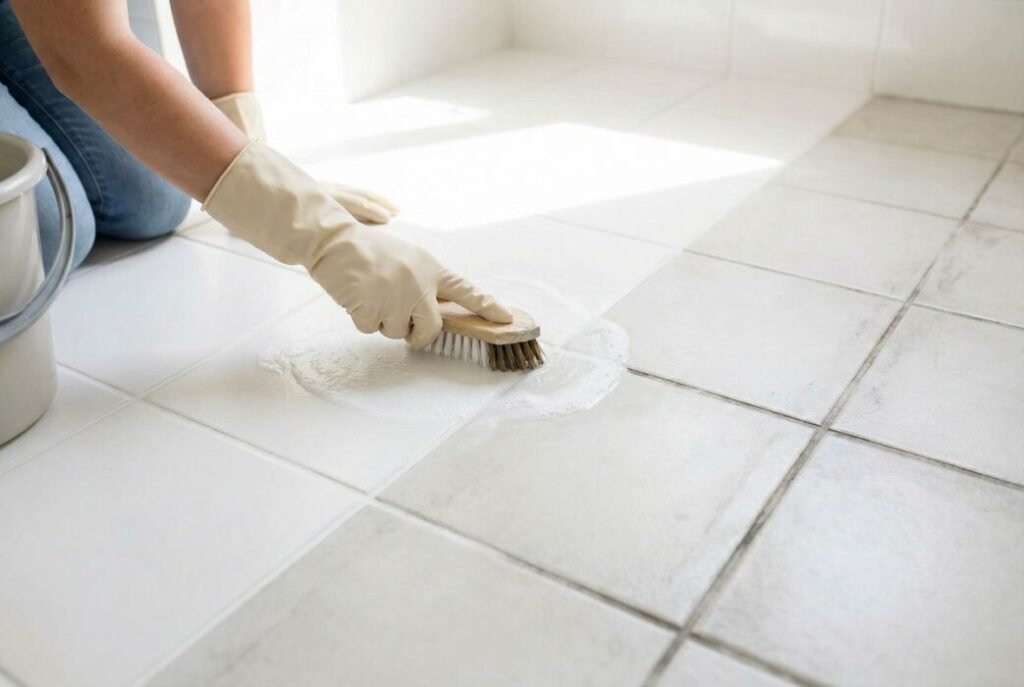
Dirty grout can significantly detract from the appearance of even the most beautiful floor tiles. Over time, these porous lines accumulate dirt, grime, and mildew, turning once pristine surfaces into an eyesore. Understanding how to clean grout between floor tiles is not just about aesthetics; it’s also crucial for maintaining a hygienic home environment.
This comprehensive guide will walk you through effective methods, essential tools, and expert tips to restore your grout to its original glory. Say goodbye to stained lines and hello to a refreshed, cleaner floor.
Why Grout Gets Dirty and Why Cleaning Matters
Grout, typically a mixture of cement, sand, and water, is inherently porous. This means it can easily absorb spills, dirt, and moisture, making it a magnet for stains and mildew growth. High-traffic areas, kitchens, and bathrooms are particularly susceptible to rapid grout discoloration due to constant exposure to contaminants.
Regular cleaning of grout is not merely for visual appeal; it prevents the buildup of harmful bacteria and mold, contributing to a healthier living space. Neglecting grout cleaning can lead to permanent staining and even structural damage to your tile installation over time.
Essential Tools and Supplies for Grout Cleaning
Before diving into the cleaning process, gathering the right tools and supplies will make the task more efficient and effective. Here’s what you’ll typically need:
| Category | Item | Purpose |
|---|---|---|
| Cleaning Agents | Baking Soda | Mild abrasive, deodorizer |
| White Vinegar | Acidic cleaner, cuts through grime | |
| Hydrogen Peroxide | Bleaching agent, disinfectant | |
| Commercial Grout Cleaner | Heavy-duty stain removal | |
| Tools | Stiff-bristled Brush (grout brush or old toothbrush) | Scrubbing grout lines |
| Bucket(s) | Mixing solutions, rinsing | |
| Sponge or Microfiber Cloths | Wiping, rinsing | |
| Spray Bottle | Applying solutions evenly | |
| Safety Gear | Rubber Gloves | Protecting hands from chemicals |
| Knee Pads | Comfort during scrubbing |
Popular Methods for How to Clean Grout Between Floor Tiles
There are several effective approaches to cleaning grout, ranging from DIY solutions to powerful commercial products. Choose the method that best suits the severity of your grout stains and your comfort level with different cleaning agents.
1. Baking Soda and Vinegar (The Classic Duo)
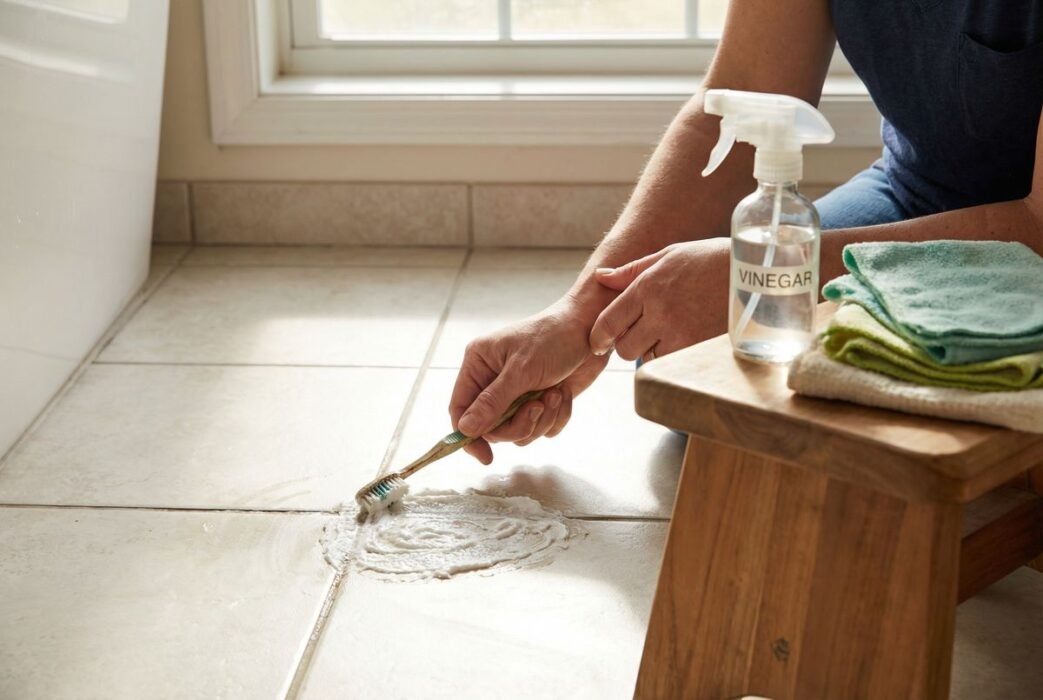
This is a widely popular and effective DIY method for moderately dirty grout. The baking soda acts as a mild abrasive, while vinegar’s acidity helps break down grime and stains. Mix about half a cup of baking soda with a small amount of water to form a thick paste. Apply this paste directly to the grout lines.
Next, fill a spray bottle with white vinegar and spray it over the baking soda paste. You’ll observe a fizzing reaction, which indicates the mixture is working to lift the dirt. Let it sit for 5-10 minutes, then scrub vigorously with a stiff-bristled brush. Rinse thoroughly with clean water and wipe dry.
2. Hydrogen Peroxide (For Tougher Stains)
Hydrogen peroxide is a mild bleaching agent and disinfectant, making it excellent for tackling stubborn stains and mildew. It’s a safer alternative to bleach for many surfaces. You can use it directly on grout or create a paste with baking soda for added scrubbing power. Apply the hydrogen peroxide or paste to the grout, let it sit for 10-15 minutes, then scrub and rinse.
3. Commercial Grout Cleaners (When DIY Isn’t Enough)
For heavily stained or neglected grout, commercial grout cleaners can offer a more potent solution. These products are formulated to dissolve tough grime, mold, and mildew. Always read the product instructions carefully and ensure proper ventilation. Test the cleaner on an inconspicuous area first to ensure it doesn’t damage your tiles or grout.
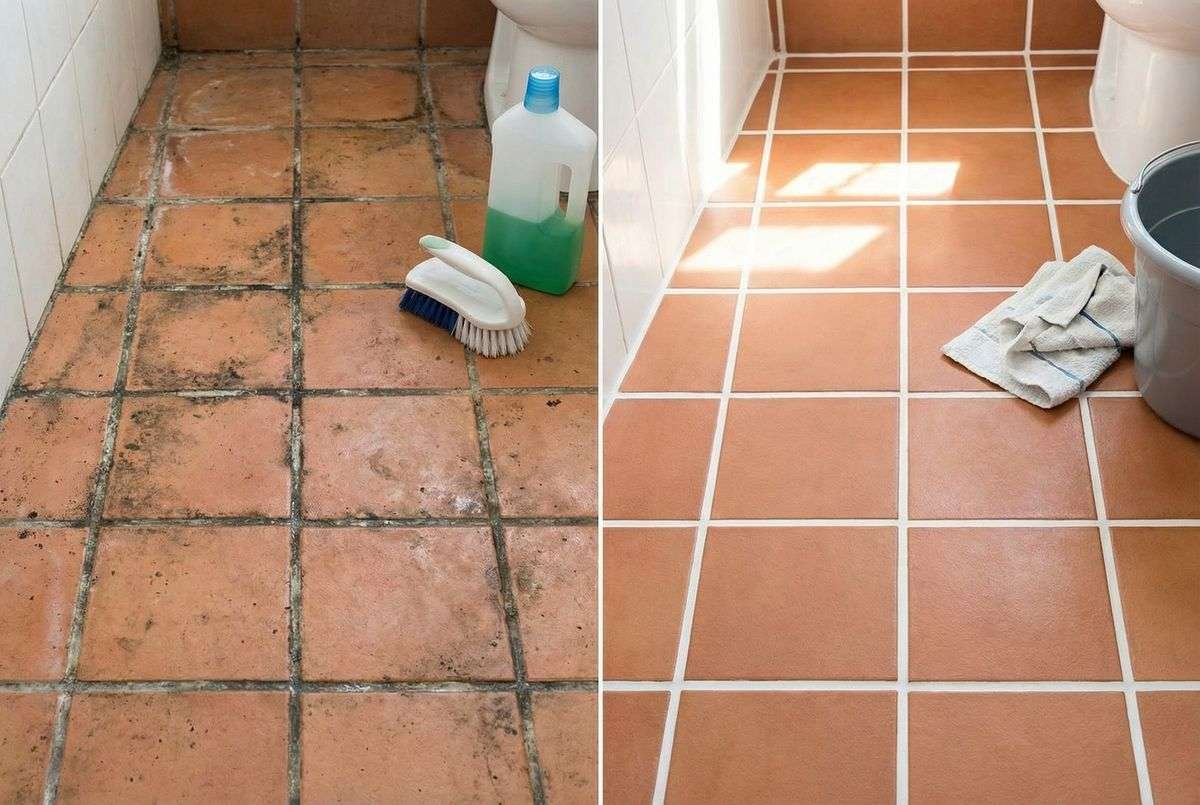
Advanced Tips for Maintaining Clean Grout
Cleaning grout is one thing, but keeping it clean is another. Incorporating these advanced tips into your routine can significantly extend the life of your clean grout and reduce the frequency of deep cleaning.
The Power of Sealing Grout
One of the most effective ways to prevent grout from getting dirty quickly is to seal it. Grout sealer creates a protective barrier that repels water, dirt, and stains, making routine cleaning much easier. Apply a high-quality penetrating grout sealer after your grout is thoroughly clean and dry. Reapply every 1-2 years, or as recommended by the product manufacturer, especially in high-moisture areas like bathrooms.
Regular Maintenance is Key
Don’t wait until your grout is visibly dirty to clean it. Regular, light cleaning can prevent grime from building up. Sweep or vacuum your floors frequently to remove loose dirt and debris. Mop with a pH-neutral cleaner that won’t strip your grout sealer or damage the grout itself. Address spills immediately to prevent them from soaking into the porous surface.
Myth Busting: What NOT to Use on Your Grout
While many DIY cleaning hacks circulate, some can actually harm your grout or tiles. Understanding what to avoid is as important as knowing what to use.
- Bleach: While effective at whitening, bleach can weaken cement-based grout over time, making it more porous and susceptible to future staining. It can also discolor colored grout.
- Steel Wool or Abrasive Scrubbers: These can scratch your tiles and remove the top layer of grout, leading to further damage and making it harder to clean in the future.
- Highly Acidic Cleaners (undiluted): Strong acids can erode grout, especially unsealed or older grout, leading to crumbling and structural issues. Always dilute acidic cleaners and test them first.
Frequently Asked Questions About Grout Cleaning
How often should I clean my grout?
The frequency depends on the area’s traffic and exposure to dirt and moisture. For high-traffic areas like kitchens and bathrooms, a deep clean every 3-6 months is advisable, with regular spot cleaning as needed. For less used areas, once a year might suffice.
Can I use a steam cleaner on grout?
Yes, steam cleaners can be very effective for cleaning grout. The high-temperature steam helps to loosen dirt and sanitize the surface without the need for harsh chemicals. Always check your tile and grout manufacturer’s recommendations before using a steam cleaner.
What if my grout is permanently stained?
If cleaning doesn’t restore your grout, you have a few options. Grout colorants can refresh the appearance and seal the grout simultaneously. For severe damage or staining, regrouting might be necessary, which involves removing the old grout and applying new.
Conclusion: A Clean Grout is a Happy Home
Mastering how to clean grout between floor tiles is a fundamental skill for any homeowner. By understanding the causes of dirty grout, utilizing the right tools and methods, and implementing preventative measures like sealing and regular maintenance, you can ensure your tiled floors remain beautiful and hygienic for years to come. Don’t let dingy grout diminish the beauty of your home; take action and enjoy the satisfaction of sparkling clean floors.
