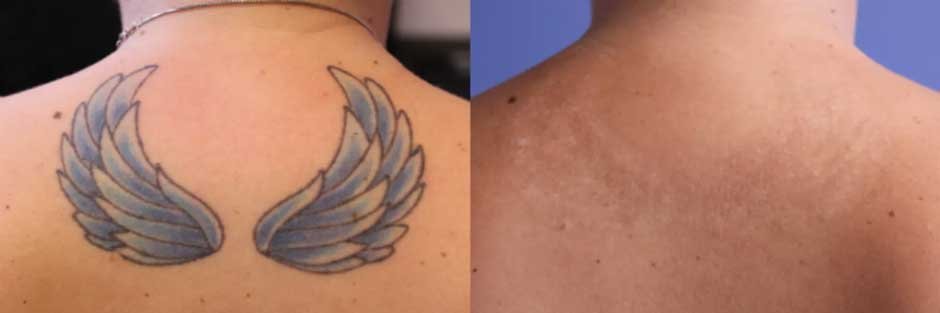
Tattoo removal has become a common choice for many people who want to update, refine, or remove existing body art. Advances in laser technology have made the process safer and more effective than ever before. However, successful tattoo removal is not only about the treatment itself. Proper aftercare and attention to skin health are crucial for achieving optimal results while maintaining overall skin wellness.
This guide explores best practices for healing, protecting your skin, and ensuring the long-term benefits of tattoo removal.
Understanding How Tattoo Removal Affects the Skin
Laser tattoo removal works by breaking down ink particles in the skin using targeted light energy. The body’s immune system gradually removes these particles, causing the tattoo to fade over multiple sessions. While highly effective, this process places stress on the skin. Redness, swelling, mild blistering, and temporary discoloration are common as the skin heals.
Knowing what to expect can help you prepare mentally and physically for the process. It also allows you to identify signs that may require professional attention.
Factors That Influence Healing
Several factors impact how your skin responds to tattoo removal:
- Skin type and tone: Different skin types may respond differently to laser energy, affecting redness, pigmentation, and healing time.
- Tattoo color and age: Older tattoos or those with lighter colors may require more sessions and careful monitoring.
- Body area: Areas with thinner skin or less circulation may be more sensitive and slower to heal.
- Lifestyle factors: Hydration, nutrition, sun exposure, and smoking habits can all influence recovery.
Immediate Post-Treatment Care
Proper aftercare immediately following laser treatment sets the foundation for healthy healing. The first 24 to 48 hours are particularly critical.
Cleaning and Protecting the Area
- Gently cleanse the treated area with mild, fragrance-free soap and lukewarm water.
- Avoid scrubbing or using harsh exfoliants.
- Pat dry with a clean towel instead of rubbing.
Managing Discomfort
- Apply a thin layer of the recommended healing ointment to prevent dryness and aid skin repair.
- Use a cold compress to reduce swelling or discomfort as needed.
- Avoid picking, scratching, or popping any blisters that may form, as this can lead to scarring or infection.
Clothing and Coverage
- Wear loose, breathable clothing over the treated area to prevent friction.
- Keep the skin protected from dirt, bacteria, and potential irritants.
Protecting Skin from Sun Exposure
Sun exposure can significantly affect the healing process and long-term appearance of skin after tattoo removal. Treated areas are particularly vulnerable to pigmentation changes.
- Avoid direct sun exposure on the treated area for at least several weeks.
- Apply a broad-spectrum sunscreen with an SPF of 30 or higher if exposure is unavoidable.
- Cover the area with clothing or protective fabric whenever possible.
Supporting Skin Health from Within
Healthy skin is resilient skin. Beyond topical care, internal factors play a major role in recovery.
Hydration and Nutrition
- Drinking adequate water supports skin repair and overall cellular health.
- A diet rich in antioxidants, vitamins A, C, and E, and protein can enhance healing and reduce inflammation.
Rest and Stress Management
- Adequate sleep allows the body to focus on tissue repair.
- Stress can slow healing and negatively affect skin health, so mindfulness, light exercise, or relaxation techniques are beneficial.
When to Seek Professional Advice
While minor redness, swelling, or peeling are normal, certain signs require professional attention:
- Persistent pain or discomfort beyond a few days
- Signs of infection, such as pus, warmth, or spreading redness
- Unusual scarring, pigment changes, or delayed healing
Consulting a qualified clinic ensures that any complications are addressed promptly and reduces the risk of permanent damage. For those seeking guidance, specialized laser tattoo removal services offer expert supervision, advanced technology, and tailored aftercare recommendations to support safe and effective results.
Long-Term Skin Care After Tattoo Removal
Even after the skin appears fully healed, ongoing care helps maintain its appearance and health.
Moisturizing and Barrier Support
- Regularly use gentle, fragrance-free moisturizers to maintain hydration.
- Barrier creams or lotions with ingredients like ceramides can strengthen the skin’s protective layer.
Gradual Sun Exposure
- Continue to protect the area from excessive sun exposure to prevent pigmentation changes.
- Long-term use of sunscreen helps prevent discoloration and maintains skin tone.
Skin Monitoring
- Periodically check the area for unusual changes or irritation.
- Consider professional skin assessments if you plan future cosmetic procedures or tattoo work.
Combining Tattoo Removal with Other Skin Treatments
Some individuals choose to combine laser tattoo removal with complementary skin treatments such as:
- Light chemical peels for gentle exfoliation
- Microneedling to improve texture and tone after full healing
- Non-invasive skin rejuvenation treatments to maintain elasticity
Coordinating with professionals ensures that these treatments support recovery without interfering with healing.
Professional Guidance Matters
Working with trained clinicians guarantees that all treatments are safe, timed appropriately, and effective. Specialized laser tattoo removal services Gold Coast provide personalized care and expert advice for every stage of the healing process.
The Emotional Side of Skin Healing
Tattoo removal is not just a physical process. Watching a tattoo fade can have emotional significance, offering a sense of closure, transformation, or renewal. Maintaining healthy skin throughout the process reinforces confidence and supports the emotional benefits of removal.
Patience and Realistic Expectations
Healing takes time, and results vary by individual. Adopting a patient mindset helps manage expectations and reduces frustration. Every session, minor peeling or fading stage is part of a larger process that ultimately leads to safer, cleaner, and healthier skin.
Conclusion
Healthy skin after tattoo removal is the result of a combination of professional treatment, careful aftercare, and long-term wellness practices. By following recommended cleaning routines, protecting the skin from environmental stressors, supporting healing through nutrition and rest, and consulting qualified professionals, individuals can achieve optimal results while safeguarding their skin.
Tattoo removal is more than a cosmetic procedure. It is an opportunity to prioritize skin health, embrace change, and support personal well-being.
