As environmental consciousness grows, the demand for eco-friendly home construction is on the rise. Sustainable building materials play a pivotal role in reducing a home’s environmental footprint, from initial construction through its entire lifecycle. These materials are chosen for their low environmental impact, durability, energy efficiency, and contribution to healthier indoor air quality. This guide explores various sustainable materials that are transforming the landscape of green building.
Understanding Sustainable Materials
Sustainable materials are typically characterized by several key attributes. They are often renewable, recyclable, or made from recycled content. Their production processes should minimize energy consumption, water usage, and pollution, highlights castlemanagement.com. Furthermore, they should be non-toxic, durable, and contribute to a healthy indoor environment.
Renewable and Natural Materials
These materials are sourced from nature and can be replenished within a relatively short period, or are abundant and require minimal processing.
•Bamboo: A rapidly renewable grass that grows quickly and offers exceptional strength. It is an excellent alternative to traditional hardwoods for flooring, cabinetry, and structural elements.
•Cork: Harvested from the bark of cork oak trees without harming the tree, cork is renewable, biodegradable, and provides excellent insulation and sound absorption. It is commonly used for flooring and wall coverings.
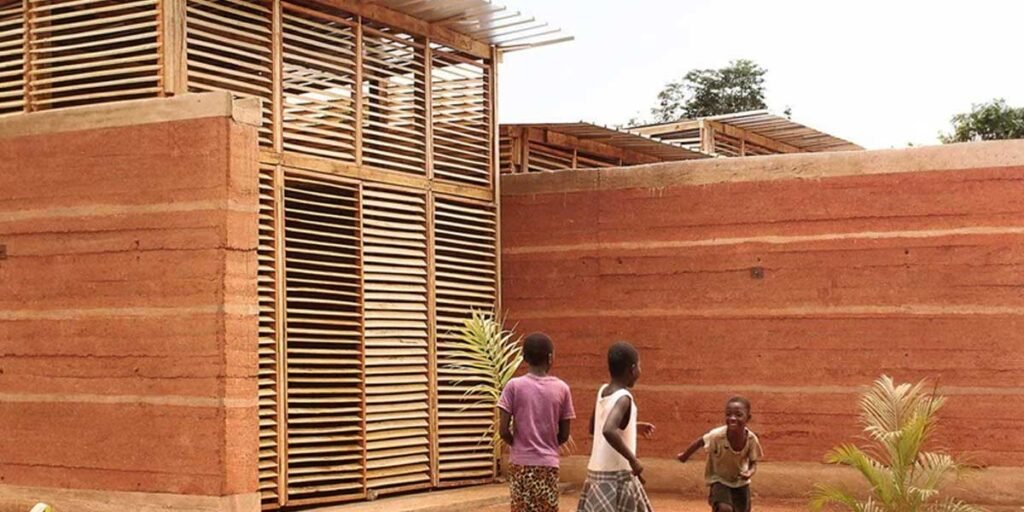
•Rammed Earth and Adobe: Ancient building techniques that use local soil, clay, sand, and water to create thick, durable walls. These materials offer excellent thermal mass, regulating indoor temperatures naturally and reducing energy consumption.
•Straw Bales: Compressed straw bales can be used as structural elements or insulation. They are highly insulating, affordable, and a byproduct of agriculture, making them a sustainable choice.
Recycled and Reclaimed Materials
Utilizing recycled and reclaimed materials reduces waste sent to landfills and conserves natural resources. These materials often carry a unique aesthetic and historical charm.
•Recycled Steel: Steel is one of the most recycled materials globally. Using recycled steel in construction significantly reduces the energy and resources required compared to producing new steel.
•Reclaimed Wood: Sourced from old barns, factories, or demolished buildings, reclaimed wood reduces demand for new timber and offers unique character. It can be used for flooring, beams, and decorative elements.
•Recycled Glass: Crushed and repurposed glass can be used in countertops, tiles, and even as an aggregate in concrete, adding aesthetic appeal and reducing waste.
•Recycled Plastic: Recycled plastics are finding new applications in building products like decking, roofing tiles, and insulation, diverting waste from landfills.
High-Performance Insulation
Effective insulation is crucial for energy efficiency. Sustainable insulation materials often have a lower environmental impact than conventional options.
•Cellulose Insulation: Made from recycled paper products, cellulose is an excellent insulator with a high recycled content. It is treated to be fire-retardant and pest-resistant.
•Sheep’s Wool Insulation: A natural, renewable, and biodegradable material that offers superior thermal performance and moisture regulation. It is also non-toxic and improves indoor air quality.
•Cotton Denim Insulation: Made from recycled denim scraps, this insulation is non-toxic, formaldehyde-free, and provides good thermal and acoustic properties.
Innovative and Low-Impact Materials
Advancements in material science are leading to new sustainable options with reduced environmental footprints.
•Green Concrete: Incorporates recycled aggregates, fly ash, or slag to reduce the amount of cement needed, thereby lowering carbon emissions associated with concrete production.
•Mycelium (Mushroom) Materials: Grown from fungal mycelium and agricultural waste, these materials can be molded into various shapes for insulation, packaging, and even structural components. They are biodegradable and renewable.
•Cross-Laminated Timber (CLT): An engineered wood product that offers high strength and stability, making it suitable for structural applications. CLT sequesters carbon and can be sourced from sustainably managed forests.
Conclusion
The choice of building materials has a profound impact on a home’s environmental performance and the health of its occupants. By opting for sustainable materials, homeowners and builders can significantly reduce their ecological footprint, lower energy costs, and create healthier, more resilient living spaces. The continuous innovation in this field promises an even wider array of eco-friendly options for the future of home construction.
