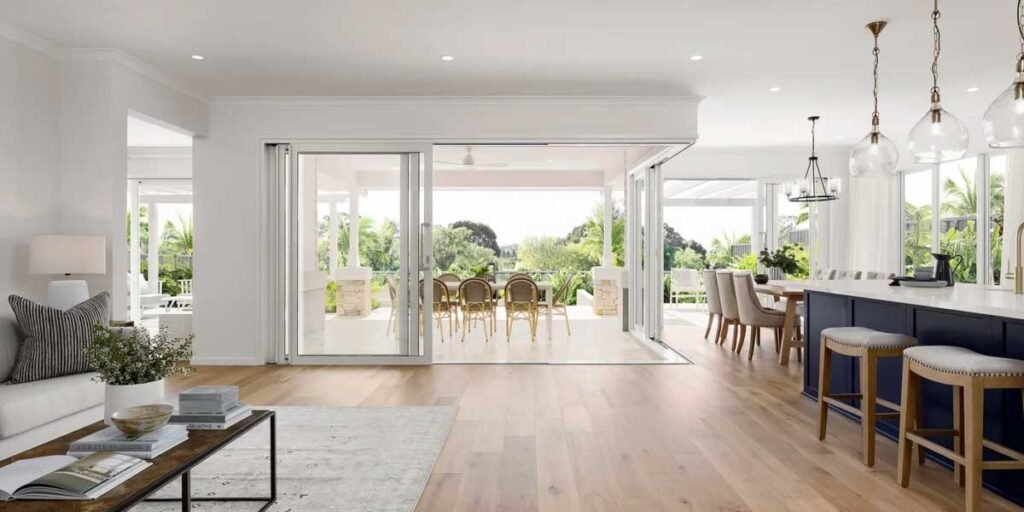
Open-concept living area designs have become a hallmark of modern residential architecture, transforming how homeowners interact with their living spaces. By minimizing internal walls and creating a seamless flow between common areas like the kitchen, dining room, and living room, this design philosophy fosters a sense of spaciousness, connectivity, and versatility. This article explores the myriad benefits of embracing an open-concept layout, offering valuable insights for those considering a home renovation or a new property purchase.
Enhanced Natural Light and Ventilation
One of the most immediate and noticeable advantages of open-concept designs is the significant improvement in natural light and ventilation. Without walls to obstruct the flow, sunlight can penetrate deeper into the home, reducing the need for artificial lighting during the day. This not only saves energy but also creates a brighter, more inviting atmosphere. Similarly, the absence of barriers allows for better air circulation, promoting natural ventilation and contributing to a healthier indoor environment, adds E & S Property Management solutions.
Fostering Social Interaction and Connectivity
Open-concept layouts inherently encourage greater social interaction among household members and guests. Whether someone is cooking in the kitchen, dining at the table, or relaxing in the living room, they remain connected to the activities and conversations happening in adjacent spaces. This design is particularly beneficial for families, allowing parents to supervise children while attending to other tasks, and for entertaining, as hosts can engage with guests without being isolated in the kitchen.
Maximizing Space and Visual Flow
By removing physical barriers, open-concept designs create an illusion of greater space, making even smaller homes feel larger and more expansive. The uninterrupted sightlines contribute to a sense of visual flow, where one area gracefully transitions into another. This maximizes the usable square footage, as hallways and corridors, which often consume valuable space, are either eliminated or integrated into the larger living area.
Increased Flexibility and Adaptability
The versatility of open-concept spaces allows for greater flexibility in furniture arrangement and functional zoning. Homeowners can easily reconfigure their layouts to suit changing needs or preferences, using furniture, rugs, or subtle architectural elements to define different zones within the larger space. This adaptability makes open-concept homes ideal for evolving lifestyles, from growing families to those who frequently entertain.
Boosting Property Value and Appeal
Open-concept designs are highly sought after in today’s real estate market, often contributing to increased property value and market appeal. Prospective buyers are drawn to the modern aesthetic, the sense of spaciousness, and the practical benefits of enhanced light and connectivity. Homes with well-executed open layouts tend to sell faster and often command higher prices, making it a wise investment for homeowners.
Challenges and Considerations
While the benefits are numerous, open-concept living also presents some considerations:
•Noise Transfer: The lack of walls means sound travels more freely, which can be a concern for privacy or simultaneous activities.
•Temperature Control: Maintaining consistent temperatures across a large, open area can sometimes be more challenging than in compartmentalized rooms.
•Lack of Privacy: While promoting togetherness, open layouts offer less privacy for individual activities.
•Clutter Management: With fewer walls, keeping an open space tidy and organized becomes even more crucial to maintain its aesthetic appeal.
Conclusion
Open-concept living area designs offer a compelling blend of aesthetic appeal, functional benefits, and enhanced lifestyle. From maximizing natural light and fostering social connections to increasing spatial flexibility and property value, the advantages are clear. While considerations like noise and privacy need to be addressed, the overall trend towards more integrated and adaptable living spaces continues to make open-concept designs a popular and rewarding choice for modern homeowners.
