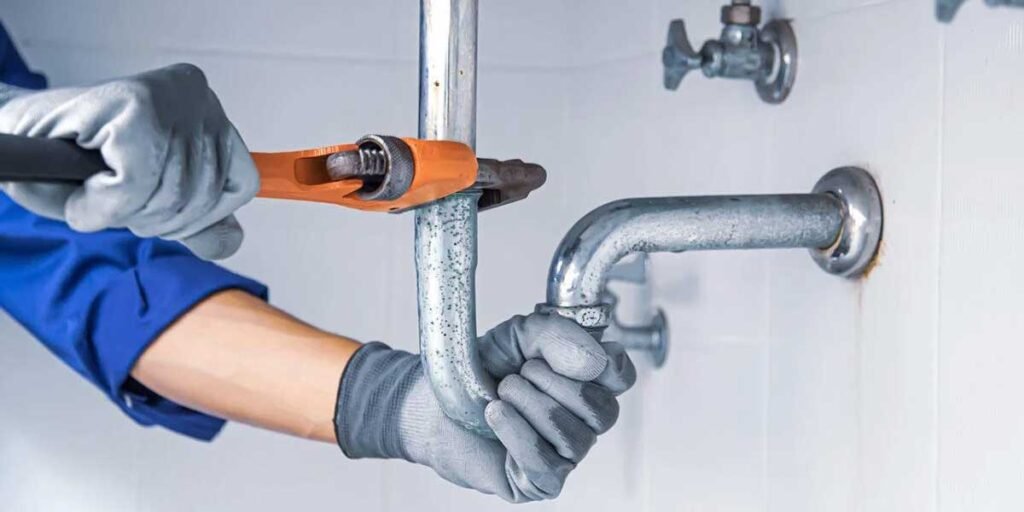
Plumbing systems are the unsung heroes of our homes, silently delivering fresh water and whisking away waste. However, when something goes wrong, the consequences can range from minor inconveniences to significant water damage and costly repairs. Many common plumbing issues are preventable with a little knowledge and proactive maintenance. This guide will equip homeowners with essential strategies to identify potential problems early, maintain their plumbing systems effectively, and avoid the headache and expense of emergency plumbing situations.
Understanding Your Home’s Plumbing System
Before diving into prevention, it’s helpful to have a basic understanding of your home’s plumbing. It generally consists of two main subsystems: the water supply system, which brings fresh water into your home, and the drain-waste-vent (DWV) system, which removes wastewater and maintains proper air pressure in the pipes. Knowing the location of your main water shut-off valve is crucial in case of an emergency.
Preventing Clogged Drains
Clogged drains are perhaps the most frequent plumbing nuisance. They are often caused by an accumulation of hair, grease, food particles, and foreign objects.
•Kitchen Sinks: Avoid pouring grease down the drain. Instead, collect it in a disposable container and discard it in the trash. Use a drain strainer to catch food scraps before they enter the pipes.
•Bathroom Sinks and Showers: Install hair catchers in drains to prevent hair and soap scum from building up. Regularly remove accumulated hair from these strainers.
•Toilets: Only flush human waste and toilet paper. Never flush wipes (even if labeled
“flushable”), paper towels, feminine hygiene products, or dental floss, as these can cause severe blockages.
•Regular Flushing: Periodically flush drains with hot water to help clear minor grease and soap buildup.
Protecting Against Leaks and Water Damage
Leaks, even small ones, can lead to significant water damage, mold growth, and structural issues over time.
•Regular Inspections: Periodically check visible pipes under sinks, behind toilets, and in basements or crawl spaces for any signs of moisture, drips, or corrosion. Look for water stains on ceilings or walls.
•Check Water Pressure: High water pressure can stress pipes and fixtures, leading to leaks. Consider installing a water pressure regulator if your home’s pressure exceeds 80 psi.
•Inspect Hoses: Regularly inspect hoses connected to washing machines, dishwashers, and refrigerators for cracks, bulges, or leaks. Replace them every 3-5 years, especially rubber hoses.
•Know Your Shut-Off Valves: Locate the main water shut-off valve for your home and individual shut-off valves for appliances and fixtures. Test them periodically to ensure they are working and easy to turn in an emergency.
•Address Drips Promptly: A dripping faucet or running toilet wastes water and can indicate underlying issues that may worsen over time. Repair them as soon as possible.
Water Heater Maintenance
Your water heater is a critical appliance that benefits from regular attention.
•Flush the Tank Annually: Sediment can build up at the bottom of the tank, reducing efficiency and potentially causing damage. Flushing the tank annually helps remove this sediment.
•Check the Pressure Relief Valve: Test the temperature and pressure relief (T&P) valve annually to ensure it’s functioning correctly. This valve is a crucial safety feature.
•Insulate Older Tanks and Pipes: Insulating an older water heater tank and the first six feet of hot and cold water pipes connected to it can reduce heat loss and save energy.
Protecting Pipes from Extreme Weather
Freezing temperatures can cause pipes to burst, leading to extensive water damage.
•Insulate Exposed Pipes: Wrap pipes in unheated areas like basements, crawl spaces, attics, and garages with pipe insulation.
•Disconnect Hoses: Disconnect garden hoses from outdoor spigots before winter. Drain and store them. If your outdoor spigots are not frost-proof, turn off the water supply to them from inside your home and drain the lines.
•Open Cabinet Doors: During severe cold snaps, open cabinet doors under sinks on exterior walls to allow warmer air to circulate around the pipes.
•Drip Faucets: In extreme cold, allowing a slow drip from faucets can prevent pipes from freezing by keeping water moving.
When to Call a Professional Plumber
While preventive maintenance can avert many issues, some problems require expert attention.
•Persistent Clogs: If you have a clog that doesn’t clear with a plunger or a simple drain snake, it might indicate a deeper issue in your main line.
•Low Water Pressure: This could be a sign of mineral buildup, pipe corrosion, or a problem with your water main.
•No Hot Water: Beyond simple pilot light issues, a lack of hot water could signal a problem with your water heater’s heating elements or thermostat.
•Unusual Noises: Banging, gurgling, or whistling sounds from your pipes can indicate water hammer, trapped air, or other issues.
•Sewer Odors: Persistent sewer smells can indicate a dry P-trap, a cracked sewer pipe, or a blocked vent pipe.
•Major Leaks or Burst Pipes: These are emergencies that require immediate professional intervention to prevent extensive damage.
Conclusion
Proactive plumbing maintenance is an investment in your home’s longevity and your peace of mind. By following these simple yet effective strategies, homeowners can significantly reduce the likelihood of common plumbing issues, conserve water, save on utility bills, and avoid costly emergency repairs. Regular vigilance and timely action are the keys to a healthy and efficient plumbing system, ensuring your home remains comfortable and protected for years to come.
