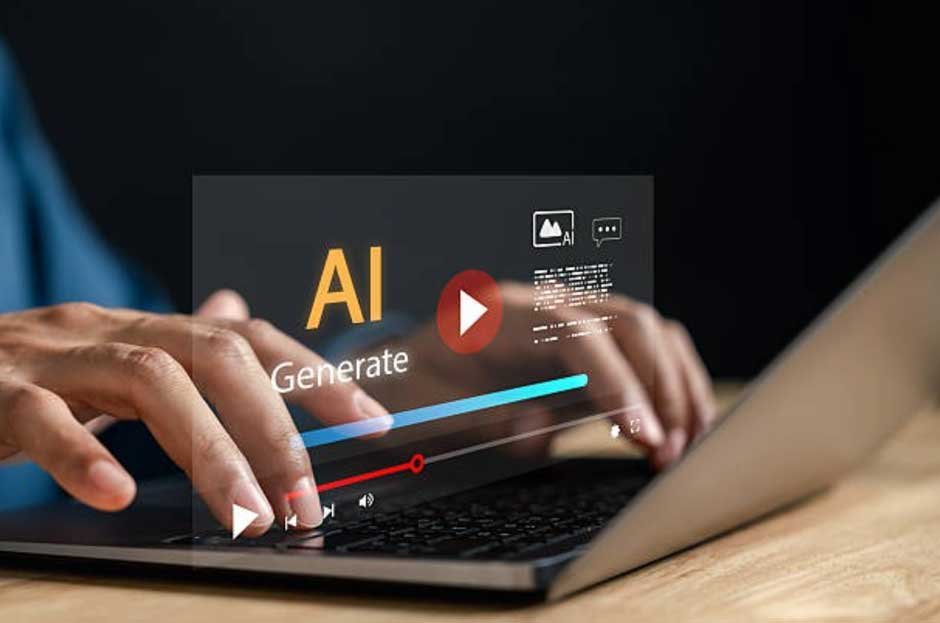
The fast emergence of artificial intelligence has created a new chapter in the communication, planning, and development of brands in the Internet space. What used to be regarded as something futuristic is becoming a viable instrument that transforms almost all aspects of online marketing. AI has transformed the ideation of smart, quick, and precise marketing decisions, driven by customer perceptions and automated marketing campaigns. The new era is not only reshaping the way things are done, but it is also redefining what businesses are capable of doing.
The main idea and the hub of this change is that in the modern world, consumers require individualization, rapidity, and responsiveness. The vast volume of data that comes about each second cannot be harnessed using traditional marketing strategies, but can be using artificial intelligence. It works out trends, forecasts the behavior of the future, and helps marketers to work toward improved outcomes with reduced guessing. This change is the reason why AI is not a choice anymore – it is necessary in order to remain competitive.
The Digital Marketing AI: What it Really Means.
One of the most frequent ones is what AI in digital marketing is. In plain words, it can be defined as the application of smart algorithms and data-driven technologies to automate and enhance marketing activities. These tools are user behavioral, adaptable to new information, and also assist a business in making smarter decisions in real time. Rather than wasting hours of time studying reports or splitting audiences manually, marketers can now depend on AI systems, which perform the task in real-time and with a greater level of precision.
It can predict what customers want to purchase, when they need to post their content most of the time, or create personalized recommendations of the product to purchase. AI in digital marketing is silently working in the background to improve each part of the customer process.
The Growing Application of Digital Marketing AI.
Digital marketing has increased the use of AI due to its capacity to process big data with ease. All the clicks, scrolls, and Internet transactions generate insights. AI systems collect these insights, structure them, and translate them into action plans. For example:
- Customer segmentation: AI divides users into groups according to behaviors, interests, and preferences, which enables marketers to send out more personalized messages.
- Predictive analytics: AI acts as a predictor of future trends, customer behavior, and predicts campaign outcomes without spending money.
- Intelligent content production: Although marketers continue to manage strategy, AI tools help them in the generation of topic ideas, keyword suggestions, and audience insights.
- Automated ad optimization: Ads are able to change budgets, audience targeting, and placements in real time to achieve improved ROI.
These abilities save time, diminish human error, and, in addition, enhance performance to a great extent. Marketing teams, which used to require huge budgets and various professionals, are now able to do a lot with less.
How to personalize: The Key to AI-based marketing.
Hyper-personalization is one of the largest innovations of artificial intelligence. Consumers do not desire generic messages anymore; they desire content that directly addresses their needs. AI processes all the browsing, purchase history, and interaction patterns and provides customized recommendations.
Just consider the offered e-commerce websites that recommend the ideal product depending on your history of searches, or streaming platforms that suggest the shows that you might like. This is made possible by AI- all marketers can now apply the same to create meaningful customer experiences.
AI Improves Content Strategy.
Relevance is the new currency; content is still the king. The AI tools assist the marketer in determining the nature of content that the audiences are interested in, the keywords they use in their search, and the media that are most effective. This simplifies the process of making higher-ranking content, which gains more traffic and keeps the users entertained. AI does not eliminate human creativity; it enhances it by providing accurate information that enhances the strategy and quality.
Artificial Intelligence-based workflow automation.
Modern marketing has incorporated automation as one of its pillars. Using AI, there is automated processing of tasks such as scheduling emails, scoring leads, chatbots, and responding to customers. These systems are able to monitor the actions of users and initiate them in real-time, making sure that businesses do not miss the chance to interact or convert a visitor.
Chatbots that use AI, such as 24/7 support, respond to inquiries, provide client guidance, and decrease the workload on human teams. This results in quicker services, enhanced satisfaction, and loyalty to the brand.
Enhanced Decision Making using Data Intelligence.
Traditional marketing was very much dependent on assumptions and testing. Nowadays, AI offers real-time information to guide teams to make informed decisions. AI can show what works and what does not work by performing the analysis of millions of data points in real time. This will avoid waste of money in the budget and make the companies concentrate on strategies that yield results.
AI will help in every decision made because it is supported by solid data, whether it comes to selecting the appropriate audience or maximizing the campaign on the basis of its performance. Such accuracy could not be achieved ten years ago, and AI is one of the most useful tools in the digital world.
The Future: An Intelligent and More Efficient Marketing Environment.
The use of artificial intelligence in online marketing is in the process of its development, and the future will bring even more innovation. We will experience superior customization, enhanced understanding of customers, voice search, AI-generated video creation, and better automation systems. Marketers who adopt AI at an early age will have a significant competitive edge, and those who do not will struggle to match.
AI is not a fad; it is a business companion in the future. Its strength is that it is capable of learning, adapting, and becoming better. To marketers, it translates to increased opportunities, more intelligent tools, and the ability to concentrate on strategy rather than on the tasks that should be repeated.
