A Rich History from the Netherlands
The Welsummer chicken’s story starts in the small village of Welsum, nestled in the eastern Netherlands. This breed was not an ancient discovery but a carefully developed creation from the early 20th century. Breeders sought to create a hardy, productive bird that could thrive in the local climate.
The breed first made its way to the United States in 1928, quickly gaining attention for its unique egg color. Its popularity grew steadily, leading to its official recognition by the American Poultry Association in 1991. Today, it is cherished by poultry enthusiasts worldwide.
The Origins of the Welsummer Breed
The foundation of the Welsummer breed involved crossing local Dutch chickens with several imported breeds. These included the Partridge Wyandotte, Partridge Cochin, and the Rhode Island Red. This careful genetic blending resulted in the robust and beautiful bird we know today.
The goal was always a dual-purpose bird, but the exceptional quality and color of the eggs soon became its most famous trait. The name itself serves as a permanent tribute to its humble Dutch birthplace.
Distinctive Appearance and Temperament
The Welsummer possesses a striking appearance that makes it instantly recognizable in any flock. The roosters, in particular, are often cited as the inspiration for the classic farmyard image. They are birds of medium build, carrying themselves with a proud and alert posture.
The standard Welsummer rooster weighs between 7 and 8 pounds, while the hens are slightly lighter, typically weighing 5 to 6 pounds. They are considered a good medium-sized breed, neither too small nor overly large.
The Iconic “Cornflake Rooster” Look
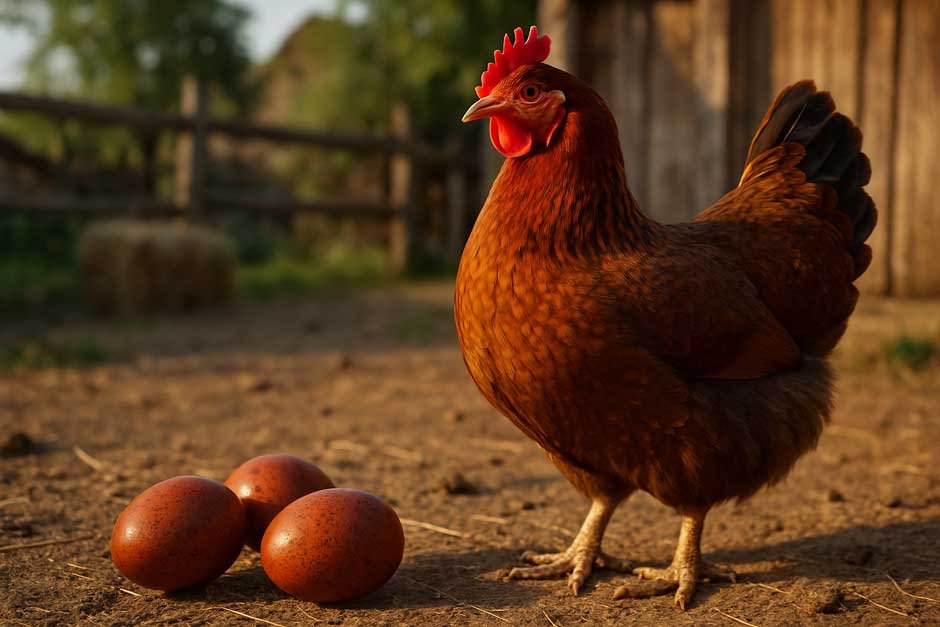
The Welsummer rooster is famous for its rich, fiery coloring. Their hackle and saddle feathers are a brilliant burnt orange and scarlet. This vibrant plumage contrasts beautifully with the iridescent beetle-black tail feathers, which often shimmer with a green sheen.
The hens are more modestly dressed in a heathery brown, with subtle gold and black lacing around the neck. Both sexes feature a bright red, single comb and reddish-bay eyes, completing their handsome profile.
A Gentle and Friendly Disposition
One of the Welsummer’s most endearing qualities is its calm and friendly temperament. They are known to be intelligent and easily handled, making them an excellent choice for first-time chicken keepers and families with children. They are generally non-aggressive towards people and other breeds.
These birds are also active and enthusiastic foragers. They enjoy spending their days exploring the yard, scratching for insects and seeds. This natural curiosity and easygoing nature make them highly adaptable to both free-range environments and enclosed runs.
The Beauty of the Dark, Speckled Egg
What the Welsummer is truly famous for is its incredible eggs, specifically the remarkable color of its eggs. They are one of the few breeds that consistently lay large, deep terracotta-brown eggs. These eggs often feature attractive dark speckles, making them a standout in any egg basket.
The dark pigment is applied late in the laying process, meaning the color can sometimes be gently wiped off if the egg is collected immediately. This unique characteristic adds to the breed’s mystique and appeal among poultry enthusiasts.
Egg Production and Laying Schedule
Welsummer hens are considered good layers, producing approximately 150 to 200 eggs per year. This translates to an average of about four eggs per week, a respectable output for a heritage breed. They are known to be reliable layers, even through colder months, though production may slow down during the deepest winter.
Pullets typically begin laying their first eggs around 20 to 24 weeks of age, or roughly five to six months old. The color of the eggs can vary slightly, often being darkest when the hen first starts laying and lightening slightly as the laying cycle progresses.
Caring for Your Welsummer Flock
The Welsummer is tough as nails and doesn’t need any special treatment beyond the standard needs of a healthy flock. Their robust nature is a testament to their Dutch origins, where they were bred to withstand variable weather conditions.
Their average lifespan is quite long for a chicken, typically ranging from 6 to 12 years. Providing a clean coop, fresh water, and a balanced diet is the key to ensuring a long and productive life for these birds.
Hardiness and Health
Welsummers are known to be cold-hardy, a trait aided by their relatively small combs, which are less susceptible to frostbite than those of larger-combed breeds. They also handle heat well, provided they have adequate shade and ventilation.
The breed is not prone to any specific genetic health issues. Regular checks for common poultry ailments, such as mites and worms, are sufficient to keep them in peak condition. Their active foraging habits naturally contribute to their overall well-being.
Ideal Environment: Free-Range vs. Confinement
While Welsummers are adaptable, they truly thrive when given space to roam. Their love for foraging means a free-range setup is ideal, allowing them to supplement their diet naturally and stay active. This activity also helps to keep them mentally stimulated.
However, they can also be kept successfully in a secure run, provided the space is generous. Their calm disposition means they tolerate confinement better than more flighty breeds, making them suitable for various backyard setups.
Is the Welsummer Right for Your Backyard?
For those seeking a beautiful, productive, and easy-to-manage chicken, the Welsummer is an outstanding choice. They offer the perfect combination of utility and charm, laying those signature dark, speckled eggs while remaining gentle companions.
Their hardiness and adaptability make them a low-maintenance addition to any flock, appealing to both seasoned poultry keepers and those just starting out. The Welsummer truly is a breed that delivers on both aesthetics and practicality.
