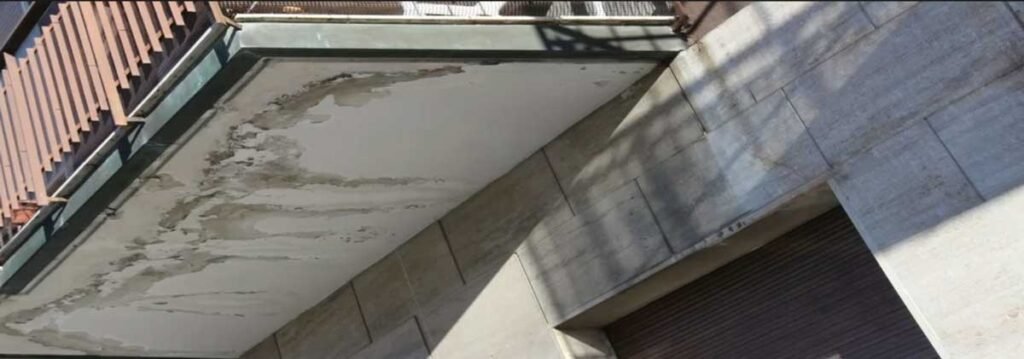
A balcony leak often shows up in a quiet way, like a faint stain near the edge after a storm. By the time you start thinking about balcony leak repairs, water may already be sitting under the tiles where you cannot see it. And that can feel unsettling, because it is not always obvious how far moisture has travelled.
Why Do Small Balcony Leaks Turn Into Bigger Home Problems?
Water usually slips in through a tiny crack in grout or a joint that has started to loosen with building movement. It does not always rush in. Sometimes it just seeps, slowly, underneath the tiled surface where it stays damp for days.
That is when the leak can start creeping toward places you use every day, like the sliding door track or the corner near a window frame. People dealing with plumbing challenges at home often recognise the same frustration, because the first visible sign is rarely the true source.
A quick surface patch might look fine for a week or two. But the moisture underneath may still be there, quietly spreading across the membrane.
What Risks Come With Waiting Too Long to Fix Water Intrusion?
Moisture tends to linger once it gets into the wrong spot. You might notice a musty smell inside after heavy rain, or a damp patch that seems to come and go. Over time, that trapped water can encourage mould and fungal growth, especially in shaded areas that never really dry out.
Repair work can also become more complicated when water has been sitting in the structure for months. What starts as a balcony issue sometimes reaches internal walls near the opening, and that is when the job feels much bigger than expected.
In Australia, guidance around waterproofing in houses under the National Construction Code is part of why proper waterproofing systems matter in residential spaces. It is not about overthinking it, but about recognising that waterproofing is a real building requirement, not just a finishing touch.
How Can You Spot Early Warning Signs on Your Balcony?
White salt staining along tile joints is one of those early clues people often brush off. It can look like simple weathering at first. But it may be a sign that water is moving up through the surface.
You might also notice dripping underneath the slab after rain, which can feel alarming when you see it from the ground level. Some homeowners pick up on a hollow sound underfoot, or a tile that no longer feels firmly set.
And sometimes it is the indoor signs that stand out most, like a faint damp smell near the adjoining room when the weather turns wet again.
Why Are Modern Leak-Sealing Repairs Less Disruptive Than People Expect?
Many people picture balcony repairs as loud demolition and weeks of mess. But modern sealing methods can sometimes be far more targeted, focusing on restoring the waterproof barrier without removing every tile.
That can make a difference if the balcony is part of your daily routine, maybe where you step out with a coffee in the morning, or where an investment property needs to stay usable for tenants.
Acting early often means the work stays contained, instead of becoming a cycle of repeated patch attempts after each new downpour.
If your balcony is showing early leak signs, Smart Sealed can provide a direct, professional solution with minimal disruption.
