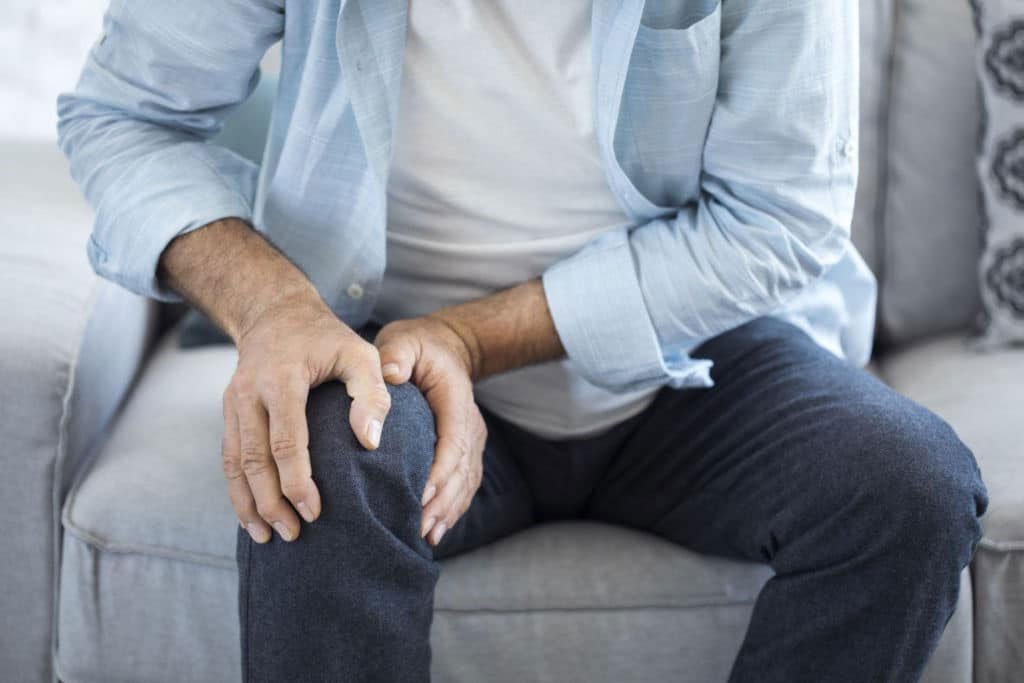
In a California personal injury case, “pain and suffering” is the part of compensation that covers the real-life impact of an injury beyond bills and paychecks. It’s not just about physical pain, although that’s a big part of it. It can also include emotional stress, discomfort, anxiety, sleep problems, reduced mobility, loss of enjoyment of life, and the everyday ways your injury changes how you function.
If you’ve been hurt and don’t know what to do next, getting clear information early can make the process less stressful. Learn what steps matter most, what evidence to save, and how claims usually work. Visit www.ourclientswin.com to see how The Law Office of Brent D. Rawlings supports injury victims.
For example, two people can have the same type of injury, but their pain and suffering may look very different. One person might recover quickly with minor limitations. Another might struggle to work, drive, exercise, or even sleep normally for months. This is why pain and suffering aren’t a single fixed number. It’s based on the depth and duration of what you went through.
Pain and suffering often include things like:
- Ongoing physical pain and discomfort
- Limitations in movement or strength
- Trouble sleeping or resting comfortably
- Anxiety, fear, or stress after the incident
- Losing the ability to do hobbies or daily routines normally
- Embarrassment from visible injuries or scarring
A common misunderstanding is that you need a “major” injury for pain and suffering to count. That’s not true. Even injuries that don’t require surgery can still cause major disruption, especially if the pain lasts, treatment is long, or your lifestyle changes during recovery.
The key point is simple. Non-economic damages exist because an injury affects more than your bank account. It affects your quality of life, and California law allows compensation for that harm when it’s supported by real evidence.
How It Can Be Calculated or Estimated
Pain and suffering don’t come with a receipt, so it’s usually estimated using a few common methods. Insurance companies and attorneys often rely on patterns, documentation, and reasonable comparisons to arrive at a number that reflects the severity of the case.
One common approach is the multiplier method. This means adding up your economic damages (such as medical bills and lost wages) and multiplying that total by a factor that reflects the seriousness of the injury. More severe injuries tend to justify a higher multiplier because they involve longer recovery time, more limitations, and more disruption.
Another approach is the per diem method. This assigns a daily value to your pain and suffering and multiplies it by the length of your recovery. This method can make sense when there’s a clear recovery timeline, like a documented period of physical therapy or a known time out of work.
In reality, these methods are not strict formulas. There are ways to estimate a fair number. The final value depends on the facts of your case.
Factors that can influence the amount include:
- How long the symptoms lasted and whether they are ongoing
- How intense the pain was and how it limited daily life
- Whether the injury required therapy, injections, or surgery
- Whether your work, driving, or mobility was affected
- How much medical treatment was needed to recover
- Whether there is permanent damage or long-term restrictions
Insurance companies may try to downplay pain and suffering because it’s harder to measure. That’s why it’s important to support it with proof, not just personal frustration. The clearer the impact, the harder it is for them to undervalue it.
What Helps Prove Non-Economic Damages
Proving pain and suffering comes down to showing how the injury changed your life and how long those changes lasted. You don’t have to be dramatic. You just need consistency, details, and documentation.
Medical records are still the foundation. Notes about pain levels, limited range of motion, muscle spasms, headaches, sleep issues, and mental stress can all help. Physical therapy records are also useful because they often show your progress, setbacks, and functional limitations over time.
Personal documentation can help, too. A simple daily journal that tracks symptoms, sleep issues, missed activities, or mobility problems can paint a clear picture. This is especially helpful when your pain comes and goes, or when your injury affects your routine in subtle ways that don’t show up in a photo.
Statements from people close to you can also help. A spouse, coworker, friend, or family member might notice that you’re struggling with tasks you used to do easily. That kind of real-world observation supports your claim without sounding exaggerated.
Strong proof for non-economic damages often includes:
- Consistent medical documentation of pain and limitations
- Physical therapy notes showing restrictions and recovery time
- Photos of visible injuries and bruising over time
- A pain journal tracking symptoms and daily struggles
- Notes about missed work, hobbies, travel, or exercise
- Testimony from family or friends about changes they observed
The main goal is to prove that the injury didn’t only cost you money. It costs you comfort, ability, peace of mind, and a normal life. When that impact is clearly documented, pain and suffering are much easier to justify in a California injury case.
