Home cooling technology is changing quickly. Over the past few years, air conditioning systems have moved far beyond basic temperature control, observes a top property management Schaumburg team. Today’s systems focus on comfort, efficiency, and intelligent automation. As homes become smarter, cooling systems are evolving to match modern lifestyles.
In 2026, homeowners expect more from their air conditioning units. They want systems that respond automatically to changing temperatures, improve indoor air quality, and reduce energy costs. Manufacturers are responding with innovative designs and smarter cooling technologies that deliver better performance while using less electricity.
These improvements are the result of recent advances in AC systems that combine digital controls, improved sensors, and smarter energy management. Instead of simply turning on and off, modern air conditioning systems now analyse home conditions and adjust their operation in real time. This shift is transforming how homes stay cool and comfortable during hot seasons.
The Rise of Smart Air Conditioning Systems
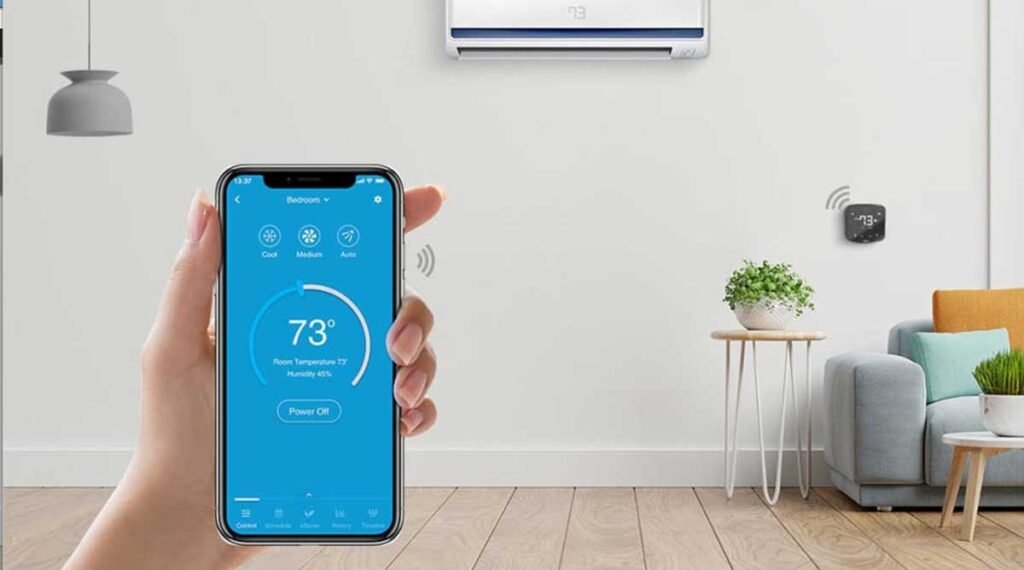
Smart technology is reshaping nearly every part of the modern home, and air conditioning is no exception. Smart AC units now connect with home networks and mobile devices, allowing homeowners to control their cooling systems from almost anywhere.
These systems work through smartphone apps, voice assistants, or integrated home automation platforms. Instead of manually adjusting a wall thermostat, homeowners can manage indoor temperatures remotely with just a few taps.
Smart AC systems also collect valuable data about temperature patterns and cooling performance. This information helps the system learn how a household uses cooling over the course of the day. Over time, the system becomes better at maintaining comfort while reducing unnecessary energy use.
For example, many systems now detect when the home is unoccupied and automatically reduce cooling. When residents return, the system restores comfortable temperatures before they walk through the door.
This type of intelligent automation is becoming a key feature in modern air conditioning systems.
Artificial Intelligence Is Improving Cooling Efficiency
Artificial intelligence is playing a growing role in home climate control. AI-powered AC systems can analyse patterns, detect environmental changes, and adjust cooling automatically.
Instead of relying on simple temperature settings, these systems evaluate multiple factors at once. Indoor humidity, outdoor temperatures, and occupancy levels can all influence how the system operates.
When the system detects that a room has cooled sufficiently, it reduces output to maintain balance. This prevents the system from running unnecessarily and helps maintain stable indoor conditions.
AI also helps identify performance problems early. If the system detects unusual behaviour, it can alert homeowners through mobile notifications. Early warnings allow maintenance to be scheduled before minor issues become expensive repairs.
This ability to learn and adapt represents one of the most important recent advances in AC systems currently transforming the home cooling industry.
Smart Sensors Are Creating More Comfortable Homes
Modern air conditioners now rely on advanced sensors to maintain ideal indoor temperatures. These sensors monitor environmental conditions in real time and provide continuous feedback to the cooling system.
Temperature sensors are now more precise than ever. They measure conditions across multiple areas of the home rather than relying on a single thermostat reading. As a result, cooling systems can respond more accurately to changing conditions.
Humidity sensors also play an important role. Excess humidity can make indoor spaces feel warmer even when temperatures appear comfortable. Smart AC systems adjust cooling and airflow to manage humidity levels effectively.
Motion sensors are another innovation gaining popularity. These sensors detect whether a room is occupied and adjust cooling accordingly. If no one is present, the system reduces output to conserve energy.
Together, these technologies help ensure that cooling is delivered exactly where and when it is needed.
Energy Efficiency Is Driving New Cooling Innovations
Energy efficiency has become a major priority for both homeowners and manufacturers. As electricity costs rise and environmental concerns grow, energy-efficient cooling solutions are in high demand.
New air conditioning models are designed to use less power while delivering better cooling performance. Improved compressors, variable speed fans, and advanced heat transfer technology allow systems to operate more efficiently than older models.
Modern systems also adjust their output gradually instead of turning on and off repeatedly. This smoother operation reduces energy waste and keeps indoor temperatures more stable.
Government regulations and energy standards are also encouraging manufacturers to design greener cooling technologies. As a result, many new systems use eco-friendly refrigerants that have less impact on the environment.
These developments reflect the ongoing recent advances in AC systems aimed at reducing energy consumption while maintaining strong cooling performance.
Integration With Smart Home Ecosystems
Air conditioning systems are increasingly becoming part of broader smart home ecosystems. Many modern AC units integrate seamlessly with home automation platforms.
This integration allows homeowners to coordinate cooling with other smart devices. Lighting systems, window blinds, and thermostats can all work together to maintain comfortable indoor conditions.
For example, when sunlight heats a room, automated blinds may close while the cooling system adjusts its settings. Similarly, when residents leave the house, the smart home system can lower cooling levels automatically.
Voice assistants also play a role in modern cooling control. Homeowners can adjust temperatures or change settings using simple voice commands.
This level of integration creates a more responsive and efficient home environment.
Remote Monitoring and Predictive Maintenance
Another major innovation in air conditioning technology is remote monitoring. Smart AC systems can now track their own performance and provide detailed operational data.
Homeowners can view system performance through mobile apps. These apps display temperature trends, energy usage, and system status in real time.
If a component begins to operate inefficiently, the system may send alerts indicating the need for maintenance. This predictive maintenance approach helps prevent unexpected system failures.
Instead of waiting for a breakdown, homeowners can address problems early. This improves system reliability and reduces repair costs.
Remote monitoring also helps technicians diagnose issues more quickly. When service is required, technicians can review system data before arriving at the home, allowing them to resolve issues more efficiently.
Wrapping Up
Air conditioning technology is evolving rapidly. What was once a simple cooling appliance has become an intelligent climate management system.
The combination of smart controls, artificial intelligence, advanced sensors, and improved efficiency is transforming the way homes stay cool. These developments are not only improving comfort but also reducing energy consumption and environmental impact.
Thanks to recent advances in AC systems, homeowners now have access to cooling technology that adapts to their lifestyle and living environment. Smart air conditioning systems are setting a new standard for comfort, reliability, and efficiency.
As innovation continues, the next generation of cooling systems will likely become even more intelligent, sustainable, and connected. For homeowners looking to upgrade their comfort and energy performance, smart AC technology represents one of the most exciting developments in modern home technology.
