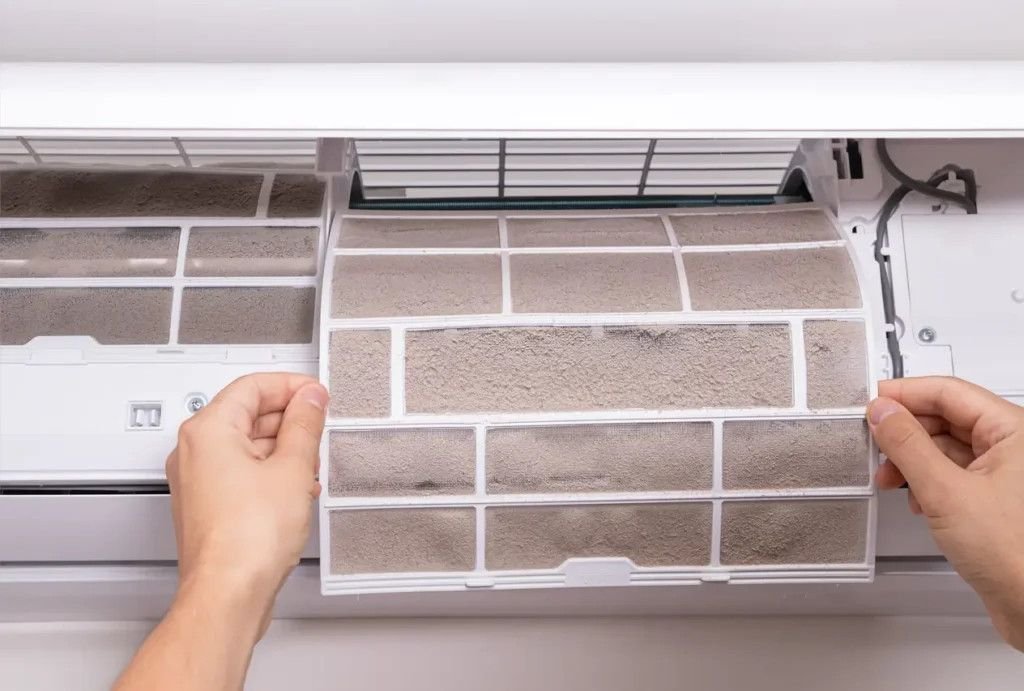
On HVAC filter how to clean, the first step is finding out which kind you own, because the answer changes everything. A washable, reusable filter, the kind in many mini-splits, window units, and whole-house air cleaners, can be vacuumed and rinsed, but a standard disposable pleated filter is meant to be thrown away, not washed, and washing one ruins it and risks your system. Match the method to the type and you save money and keep the system running, notes Racine property management.
The type-first decision, the step-by-step for a washable filter, and the schedule that keeps air clean follow.
Know Your Filter Type First
The single most important thing about filter maintenance is whether the filter is disposable or washable, and most “how to clean” advice skips it. Disposable filters are called that for a reason, as the Trane HVAC air filter maintenance guide puts it, they are not meant to be cleaned and reused. Washing one leaves dust and contaminants in the folds, likely damages the filter, and if you reuse it, you risk lowering efficiency, straining the motor, and even voiding warranty coverage. A disposable filter, typically paper or cardboard in a frame, gets replaced, not washed.
Washable, also called reusable or permanent, filters look different and are designed to survive cleaning. They appear in ductless mini-splits, some window units, and whole-house air-cleaning systems, and the maker intends you to clean them on a schedule rather than replace them. If you are unsure which you own, check the filter and the product label; a simple frame-and-paper filter is disposable, while a filter that the maker describes as washable or permanent is the one you clean.
Cleaning a Real Washable Filter
For a washable filter, the process is straightforward. Turn the unit off first, open the panel, and gently slide out the filter, trying not to shake dust off it. Vacuum it with a brush attachment and low suction to lift loose dust.
If any residue remains, rinse it under lukewarm running water in the sink, using a gentle spray to wash grime out of the mesh. Only reuse a filter after it is completely dry, since putting a wet one back invites mold. For a mini-split with a smaller enzyme or carbon layer clipped to the main filter, detach it and keep it dry, since those small layers are not meant to get wet.
Some whole-house air cleaners work the same way, with a collector you vacuum rather than rinse. Turn off the system and its power, wait a moment, open the unit, and vacuum the pre-filter and collector cells gently with a crevice attachment, then reassemble and restore power, following your owner’s manual for the exact sequence. When in doubt, the manual for your specific unit is the ground truth.
How Often to Clean or Replace It
The schedule depends on the type and your home. A standard one-inch disposable filter is usually replaced about every 90 days, and more often, roughly every 30 days, if you run the system heavily, have pets, or someone in the home has allergies.
A high-efficiency filter may last closer to six months. A washable mini-split filter is cleaned about monthly during the season you use it, and a whole-house washable collector every few months per the manufacturer. During extreme seasons, check and clean or replace more often, and treat these figures as starting points tied to how dirty the filter is.
Clean air filters repay the effort, which is the other half of why the schedule matters. A clean filter means better indoor air, a lower running cost, and a system that does not strain, while a dirty one restricts airflow, raises bills, and shortens the equipment’s life.
Signs Your Filter Is Dirty
Several signals say it is time to clean or replace before the schedule arrives. The system’s thermostat may prompt you, the filter may look visibly gray, fuzzy, or clogged, you may notice more dust settling in the home, or family members may sneeze or cough more. A rise in the energy bill with no change in usage is another tell, since a blocked filter makes the system work harder. The MrCool air conditioner filter guide makes the same point: keep replacement filters on hand so a dirty one gets swapped promptly. When any of these signs show, address the filter quickly, because a dirty one degrades indoor air and strains the system.
Cleaning Versus Replacing, Decided
The confusion between cleaning and replacing clears once you separate the types. If the filter is disposable, cleaning it is the mistake and replacing it is the answer, so buy a few spares and swap a dirty one out. If the filter is washable, cleaning is correct and replacing is wasted money, so run the vacuum-and-rinse routine and dry it fully. Because the two answers are exact opposites, the type is genuinely the whole decision, and a quick check of the filter and its label prevents ruining a disposable or throwing out a perfectly good washable.
HVAC Filter Cleaning: Common Topics
What is the best way to clean an HVAC air filter?
It depends on the type. If the filter is washable, vacuum it gently and rinse any residue under lukewarm water, then let it dry completely before reinstalling. If it is disposable, do not clean it at all, replace it instead, since washing ruins a disposable filter.
Can HVAC filters be cleaned and reused?
Only washable, reusable filters can be cleaned and reused, the kind found in many mini-splits, window units, and whole-house air cleaners. Standard disposable pleated filters are made for one use, are not meant to be washed, and should be replaced when dirty.
How often should HVAC filters be cleaned?
A standard disposable filter is usually replaced about every 90 days, or roughly every 30 days with heavy use or pets, while a washable mini-split filter is cleaned about monthly during the season you use it. Follow your filter’s and manufacturer’s guidance and clean or replace when the filter looks dirty.
Is it better to have a clean or dirty HVAC filter?
Always clean. A clean filter gives better indoor air, lower energy bills, and less strain on the equipment, while a dirty filter restricts airflow, raises costs, and can shorten the system’s life. Replace or clean it as soon as it looks dirty.
Can you clean an air conditioner filter with water?
Only if the filter is washable. For a washable filter, rinse it under lukewarm water and dry it completely first. For a disposable filter, do not use water, since washing can damage it and leave contaminants; replace it instead.
Let the filter type decide the method. A disposable pleated filter is made for one use, so change it on schedule and never wash it, and a washable filter repays a vacuum and a gentle rinse as long as you dry it fully and keep any small layers dry. A clean filter of either kind means better air, lower bills, and a system that lasts, and knowing which type you own is the whole trick.
