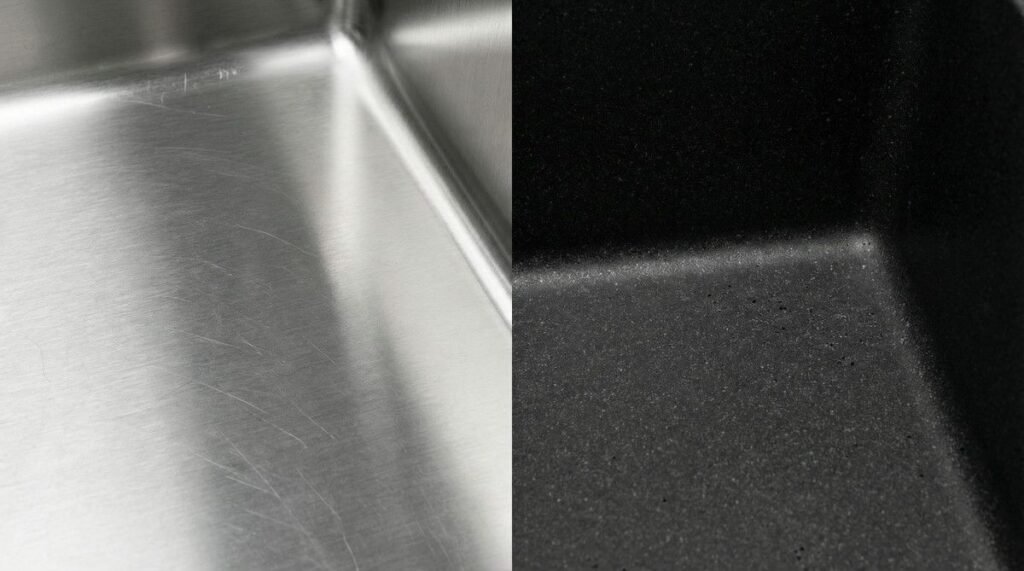
The best sink material for a kitchen that is easy to clean is high-grade stainless steel, specifically 16- to 18-gauge material with a brushed finish. This non-porous surface, highlights property management Duval County, resists bacterial growth, stands up to harsh scrubbing, and does not require specialized sealants or delicate handling. Stainless steel remains the industry standard in both residential and professional kitchens because of its durability and low-maintenance performance.
Selecting a kitchen sink involves balancing aesthetic preferences with the practical realities of daily maintenance. While natural stone and fireclay offer timeless beauty, they often demand more rigorous cleaning schedules to prevent staining or chipping. Stainless steel provides a versatile solution that complements most interior designs while offering the simplest cleaning routine of any common sink material.
Homeowners frequently prioritize ease of maintenance to save time and ensure a hygienic food preparation environment. A sink that resists hard water spots, food stains, and scratches will maintain its appearance for decades. Understanding the specific properties of each material allows for an informed decision that aligns with a household’s cooking habits and cleaning preferences.
Stainless Steel: The Gold Standard for Low Maintenance
Stainless steel is the easiest kitchen sink material to maintain because its non-porous surface prevents food particles and bacteria from penetrating the material. It is naturally resistant to heat, stains, and corrosion, allowing for quick cleanup with just mild dish soap and warm water. Unlike porous materials, it does not require periodic sealing or specialized pH-neutral cleaners to remain in top condition.
The durability of stainless steel is measured by its gauge, with lower numbers indicating thicker metal. A 16-gauge sink is thicker and quieter than a 20-gauge model, making it more resistant to denting and vibration. Brushed or satin finishes are particularly effective at hiding small scratches and water spots that might be more visible on a mirrored or polished surface.
Cleaning a stainless steel sink typically involves a simple wipe-down after each use. For tougher grime or mineral deposits, a paste of baking soda and water can be used without fear of damaging the finish. It is important to avoid steel wool or abrasive pads, as these can create microscopic scratches that may eventually lead to rust if the protective chromium layer is compromised.
| Feature | Stainless Steel Benefit | Maintenance Level |
|---|---|---|
| Porosity | Non-porous; resists bacteria | Very Low |
| Stain Resistance | High; resists most food acids | Low |
| Heat Resistance | Excellent; handles hot pans | None |
| Cleaning Agent | Mild soap, baking soda | Simple |
Granite Composite: Durability Meets Easy Care
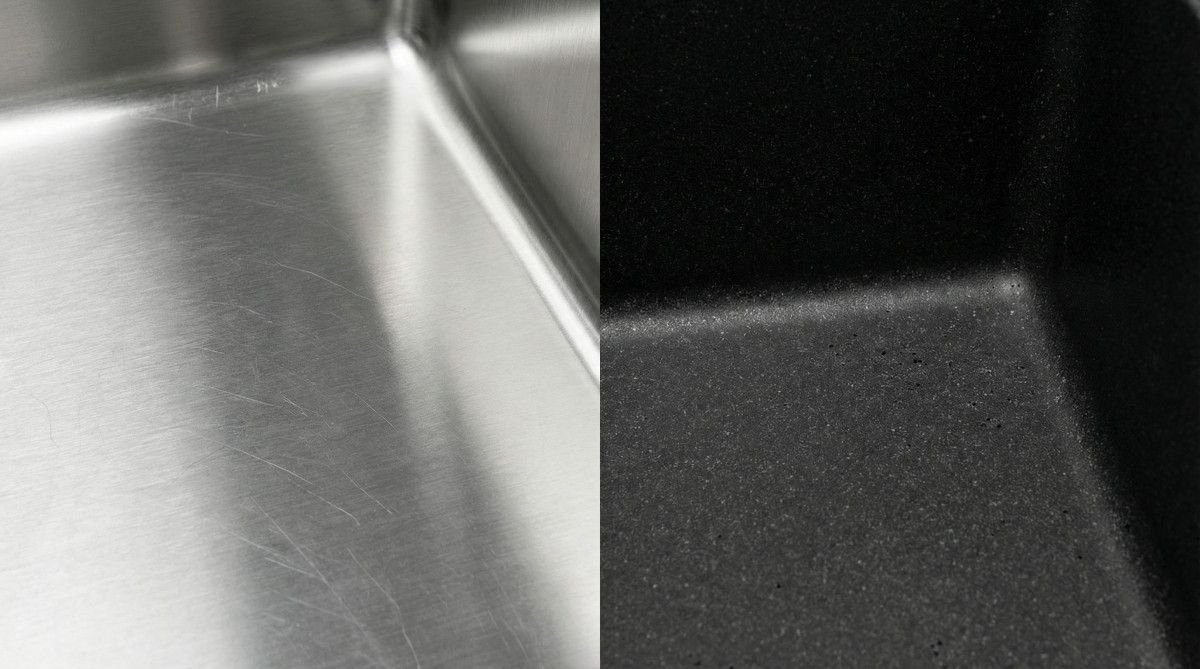
Granite composite sinks are exceptionally easy to clean due to their high density and non-porous composition of quartz sand and acrylic resins. This engineered material is specifically designed to resist scratches, chips, and heat while providing a matte finish that naturally hides water spots and fingerprints. Most daily messes can be removed with a soft sponge and a standard household detergent.
One of the primary advantages of granite composite is its uniform color throughout the material. If a minor scratch does occur, it is often invisible because the color is not just a surface coating. The material is also sound-absorbent, reducing the noise of running water and clattering dishes, which contributes to a more pleasant kitchen environment during cleanup tasks.
While granite composite is highly stain-resistant, it can be susceptible to lime scale buildup in areas with hard water. Regular rinsing and occasional cleaning with a diluted vinegar solution will keep the surface looking new. It is advisable to avoid using harsh chemicals like bleach or ammonia, which can dull the acrylic resin over time and make the surface more prone to trapping debris.
| Pros | Cons | Cleaning Tip |
|---|---|---|
| Scratch Resistant | Heavy installation | Dry after use to prevent film |
| Heat Resistant | Can dull with bleach | Use mineral oil for shine |
| Quiet Operation | Higher cost than steel | Vinegar for hard water spots |
Fireclay and Enameled Cast Iron: Classic Style with Simple Upkeep
Fireclay and enameled cast iron sinks are easy to clean because they feature a thick, glass-like glaze that is fused to the base material at extremely high temperatures. This smooth, non-porous surface allows liquids and food waste to slide off easily, preventing the deep staining common in natural stone. Their glossy finish provides a bright, clean aesthetic that is simple to maintain with non-abrasive cleaners.
Fireclay is particularly prized for its resistance to acids and alkalis, meaning that spilled lemon juice or vinegar will not etch the surface. Enameled cast iron offers similar benefits but with the added strength of a solid metal core, though the enamel can chip if heavy pots are dropped. Both materials are excellent for those who want a traditional farmhouse look without the high maintenance of real marble or soapstone.
To keep these sinks in pristine condition, it is best to use a soft cloth and avoid abrasive scouring powders that can dull the glaze over time. If metal marks from pots and pans appear, they can usually be removed with a specialized porcelain cleaner or a gentle application of Bar Keepers Friend. Using a sink grid can further protect the bottom surface from impact and scratches during heavy use.
| Material | Surface Type | Best Cleaning Tool |
|---|---|---|
| Fireclay | Ceramic Glaze | Microfiber cloth |
| Enameled Cast Iron | Porcelain Enamel | Soft sponge |
| Porcelain | Vitreous China | Gentle liquid soap |
Copper Sinks: Natural Antimicrobial Properties and Maintenance
Copper sinks are surprisingly easy to clean because they possess natural antimicrobial properties that kill bacteria on contact, creating a more hygienic environment for food preparation. A high-quality copper sink with a living finish does not require harsh chemicals or polishing; instead, it develops a natural patina over time that hides small imperfections and water spots. Simple rinsing and occasional soap-and-water cleaning are sufficient for daily upkeep.
The “living finish” of copper means the material reacts with its environment, changing color as it oxidizes. This process is actually a form of self-healing; if an acidic food like a lemon wedge removes the patina in one spot, the copper will eventually darken again to match the surrounding area. For those who appreciate this evolving look, copper is one of the lowest-effort materials available.
However, copper requires a different mindset than stainless steel. To maintain the original bright penny look, frequent polishing and waxing would be necessary, which increases the maintenance load significantly. Most homeowners choose copper for its rustic appeal and allow the patina to develop naturally, only needing to avoid leaving acidic foods or standing water in the basin for extended periods to prevent uneven spotting.
Comparing Sink Finishes and Their Impact on Cleaning
The finish of a kitchen sink significantly impacts how easy it is to clean and how well it hides daily wear and tear. A brushed or satin finish is generally the easiest to maintain because the intentional grain of the metal masks small scratches and reduces the visibility of dried water spots. In contrast, a polished or mirrored finish requires constant drying and buffing to maintain its shine and prevent unsightly streaks.
Textured finishes, such as hammered copper or linen-textured stainless steel, provide an even greater level of camouflage for scratches and dents. These surfaces are ideal for busy households where the sink sees heavy use and frequent contact with metal cookware. While the texture might seem like it would trap more debris, a quick spray with a high-pressure faucet is usually enough to clear any trapped particles from the indentations.
Matte finishes, common in granite composite and some modern ceramic sinks, are excellent at hiding fingerprints and smudges. They do not reflect light as sharply as glossy surfaces, which makes mineral deposits from hard water less noticeable. Regardless of the material, choosing a finish that aligns with the level of daily maintenance a homeowner is willing to perform is key to long-term satisfaction with the kitchen installation.
Daily Maintenance and Deep Cleaning Strategies for Every Material
Effective daily maintenance for any kitchen sink starts with a thorough rinse after every use to remove food acids and salts that can eventually dull the surface. Drying the sink with a soft microfiber cloth is the most effective way to prevent water spots and mineral buildup, especially in regions with hard water. This simple ten-second habit can reduce the need for deep cleaning sessions by more than fifty percent.
For weekly deep cleaning, a gentle approach is always preferable to preserve the integrity of the sink’s surface. Most materials respond well to a paste made of baking soda and a small amount of water, which provides a very mild abrasive action that lifts grime without scratching. Following this with a quick spray of diluted white vinegar can help dissolve any remaining lime scale and leave the sink sanitized and sparkling.
Long-term care may involve specific treatments depending on the material. For example, granite composite sinks can benefit from a light application of mineral oil to restore their deep color and provide a protective barrier against stains. Stainless steel can be treated with a specialized polish to enhance its luster and help water bead off more effectively. Consistent, gentle care is always more effective than infrequent, aggressive scrubbing.
- Rinse the basin thoroughly after every use to remove debris.
- Wipe the surface dry with a microfiber cloth to prevent spotting.
- Apply a mild cleaner weekly to remove accumulated oils and films.
- Address hard water stains immediately with a gentle acid like vinegar.
- Avoid leaving wet sponges or metal cans in the sink to prevent rust.
Frequently Asked Questions
What is the absolute easiest kitchen sink material to keep clean?
Stainless steel is widely considered the easiest material to keep clean due to its non-porous nature and resistance to heat and stains. It does not require special sealants and can be scrubbed with standard household cleaners without damage. Its ability to withstand high temperatures and acidic foods makes it the most forgiving option for busy kitchens.
Is granite composite harder to clean than stainless steel?
Granite composite is not necessarily harder to clean, but it requires different care than stainless steel. While it is better at hiding water spots and scratches, it can be more susceptible to lime scale buildup and may require occasional oiling to maintain its finish. Both are low-maintenance, but stainless steel is more resistant to chemical damage from harsh cleaners.
How do I keep a white kitchen sink from staining?
To keep a white sink from staining, it is essential to rinse away dark liquids like coffee or wine immediately after use. Regular cleaning with a gentle abrasive like baking soda will prevent surface stains from setting. For deeper stains in fireclay or enamel, a soak with a mild bleach solution or a specialized porcelain cleaner can restore the original brightness.
Which sink material is most resistant to scratches?
Granite composite is the most scratch-resistant sink material because it is made from a dense mixture of quartz and acrylic. It is much harder than stainless steel or copper and does not show wear as easily. If scratch resistance is a primary concern, a high-quality composite sink in a matte finish is the superior choice for long-term durability.
Are undermount sinks easier to clean than drop-in sinks?
Undermount sinks are generally easier to clean because they lack a rim on top of the counter, allowing you to wipe crumbs and liquids directly into the basin. This eliminates the “gunk” that often accumulates around the edge of a drop-in sink. However, the seam where the sink meets the countertop must be properly sealed and checked periodically to prevent mold growth.
Conclusion
Choosing the best sink material for a kitchen that is easy to clean ultimately depends on a balance of durability, aesthetic preference, and maintenance habits. Stainless steel remains the top recommendation for its non-porous surface and resilience, while granite composite offers a stylish, scratch-resistant alternative that excels at hiding daily wear. By selecting a high-quality material and following a simple routine of rinsing and drying, homeowners can ensure their kitchen sink remains a hygienic and attractive centerpiece of the home for many years. Investing in a low-maintenance material not only saves time but also preserves the value and functionality of the kitchen space.
