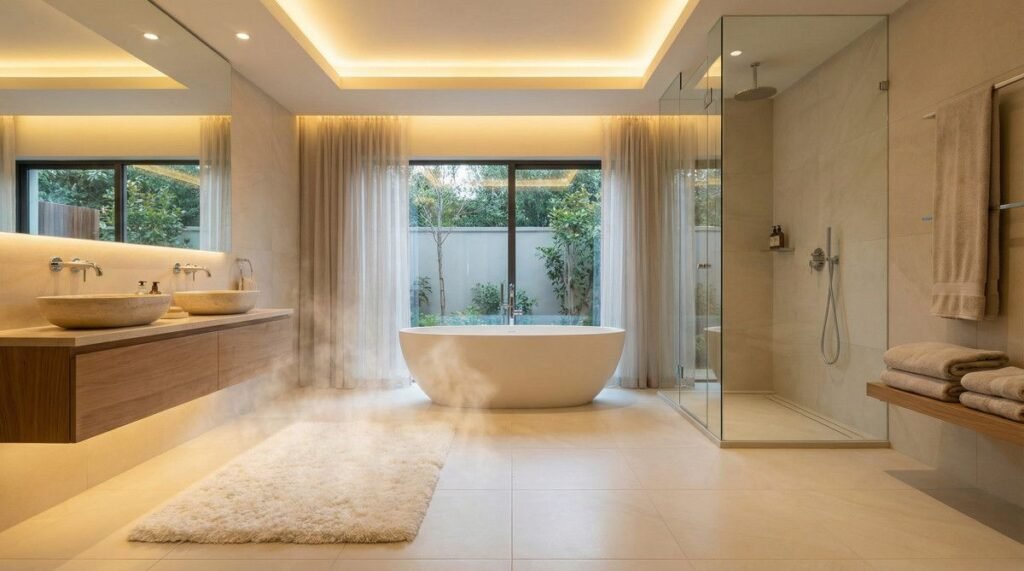
Heated bathroom floors provide consistent, comfortable warmth that rises uniformly from the floor up, eliminating cold spots common with forced-air systems and enhancing overall comfort in residential spaces. This radiant heating method offers significant energy efficiency, often using 25–30% less energy than traditional forced-air heating when properly installed and programmed, contributing to lower utility bills and increased home value.
Are Heated Bathroom Floors a Smart Investment for Homeowners?
In residential properties, heated bathroom floors are a smart investment, enhancing comfort and property value. The upfront cost is balanced by energy savings and buyer appeal, making them a sought-after feature. This is especially true in colder climates where the consistent warmth and dry environment are highly valued.
Radiant floor heating systems, whether electric or hydronic, deliver warmth directly to the floor surface, which then radiates upward to heat the room. This differs from forced-air systems that distribute heated air through vents, often leading to uneven temperature distribution. The consistent warmth from a heated floor creates a more comfortable environment, particularly on cold mornings or after a shower. Furthermore, the absence of forced air circulation means less dust and allergens are moved around, contributing to improved indoor air quality [1].
The Comfort and Health Benefits of Radiant Heat
Radiant heat provides a superior level of comfort by warming objects and surfaces directly, rather than just the air. This results in a more even temperature throughout the room, eliminating the cold spots often associated with conventional heating systems. For individuals with allergies or asthma, the reduced circulation of dust and airborne particles is a significant health benefit. The quiet operation of these systems also contributes to a more peaceful home environment, free from the noise of blowers and ducts [2].
Understanding the Costs and Energy Efficiency of Heated Floors
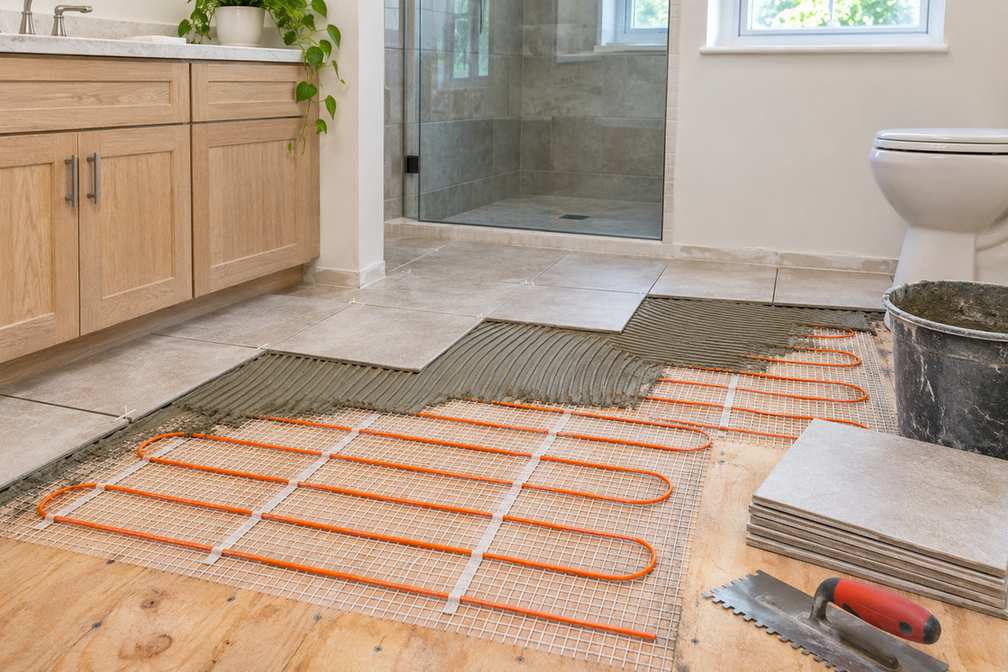
For homeowners, the cost of heated floors depends on system type and room size. Electric systems average $11–$22 per square foot installed, while hydronic systems range from $15–$35. Though the initial cost is higher, the investment pays off in energy efficiency, with electric systems using 25-30% less energy than forced air.
Operating costs for electric heated bathroom floors are relatively low, typically ranging from $0.07–$0.36 USD per hour, depending on local electricity rates and usage. For a small bathroom (50 sq ft), monthly operating costs might be between $17–$29 USD [1]. These costs can be further reduced by proper insulation and strategic programming of smart thermostats, which can optimize heating schedules to only warm the space when needed. The long-term savings on energy bills can help to offset the initial investment over the lifespan of the system, which often exceeds 25 years for electric systems [1].
| Cost Component | Electric Radiant (per sq ft) | Hydronic Radiant (per sq ft) |
|—|—|—|
| Materials | $8–$15 USD | $10–$20 USD |
| Professional Installation | $3–$7 USD | $5–$15 USD |
| Total Project Cost | $11–$22 USD | $15–$35 USD |
### Factors Influencing Installation and Operating Costs
Several factors influence both the installation and operating costs of heated bathroom floors. The choice between electric and hydronic systems is a primary determinant, with electric being generally more affordable and simpler to install for individual rooms. The size of the bathroom directly impacts material and labor costs. The type of flooring material also plays a role; materials like tile and stone are excellent conductors and retain heat well, which can improve efficiency. Insulation beneath the subfloor is crucial for preventing heat loss downwards, thereby reducing operating expenses. Finally, local electricity rates and the frequency and duration of use significantly affect monthly bills [1].
## Installation Considerations and Flooring Compatibility
When installing heated bathroom floors, planning is key. Electric systems are simpler and more DIY-friendly for renovations, while complex hydronic systems usually require professional installation. Careful consideration of the heating system and flooring compatibility is essential for a successful and efficient outcome in any home improvement project.
Most flooring types are compatible with radiant heat, but some perform better than others. Tile and natural stone are ideal choices due to their high thermal mass, allowing them to absorb and retain heat efficiently, providing prolonged warmth. Engineered hardwood and laminate flooring are also good options, as they are more stable than solid hardwood and less prone to warping from temperature fluctuations. Luxury vinyl tile (LVT) and luxury vinyl plank (LVP) are durable, waterproof, and offer efficient heat transfer. While carpet can be used, it requires thinner padding and a lower pile to ensure effective heat penetration and warmth distribution [1].
### Professional vs. DIY Installation: Making the Right Choice
The decision between professional and DIY installation largely depends on the homeowner’s skill level, the complexity of the project, and the desire to maintain product warranties. For straightforward electric systems in smaller bathrooms, a competent DIYer can often manage the installation, especially with comprehensive guides and manufacturer support. However, for larger bathrooms, complex layouts, or hydronic systems, professional installation is highly recommended. Professionals ensure proper electrical connections, adherence to building codes, and optimal system performance, which is essential for maximizing efficiency and longevity. Many manufacturers also offer extended warranties that may require professional installation [1].
## Long-Term Value and Resale Appeal
Heated bathroom floors significantly boost a home’s resale value and market appeal. Properties with this feature often sell faster and at a premium. The comfort, modern feel, and energy efficiency are major draws for buyers, making it a valuable upgrade that enhances daily living and provides long-term cost savings.
The durability and low maintenance requirements of heated floor systems further bolster their long-term value. Electric systems, for instance, typically have a lifespan exceeding 25 years and come with extensive warranties, often requiring no moving parts, filters, or annual servicing [1]. This longevity means homeowners can enjoy the benefits for decades without significant upkeep expenses. The improved indoor air quality, resulting from the absence of forced-air circulation, also adds to the home’s appeal, particularly for health-conscious buyers. Overall, heated bathroom floors are an investment that pays dividends in both personal comfort and marketability.
## Frequently Asked Questions
### How much does it cost to run a heated bathroom floor?
Electric heated bathroom floors typically cost between $0.07 and $0.36 USD per hour to operate, depending on the bathroom size, usage patterns, and local electricity rates. For an average 50-square-foot bathroom, this can translate to a monthly operating expense of approximately $17 to $29 USD [1].
### Is a heated bathroom floor worth the investment?
Yes, a heated bathroom floor is generally considered a worthwhile investment. It significantly enhances comfort, offers energy efficiency superior to forced-air systems, and can increase a home’s resale value. The long lifespan and minimal maintenance requirements further contribute to its overall value proposition [1].
### What types of flooring are best for heated bathroom floors?
Tile and natural stone are excellent choices for heated bathroom floors due to their high thermal mass and efficient heat retention. Engineered hardwood, laminate, and luxury vinyl are also suitable. Carpet can be used, but it requires specific considerations for padding and pile height to ensure effective heat transfer [1].
### How long does it take for a heated bathroom floor to warm up?
Electric radiant floor heating systems typically warm up within 30 to 60 minutes, providing relatively quick comfort. Hydronic systems, which circulate hot water, generally take longer, often several hours, to reach the desired temperature due to the larger volume of water needing to be heated [1].
### Can I install a heated bathroom floor myself?
DIY installation of electric heated bathroom floors is feasible for homeowners with adequate electrical and tiling experience, especially for simpler layouts. However, professional installation is recommended for complex projects to ensure proper functionality, adherence to building codes, and to maintain product warranties [1].
## Conclusion
Heated bathroom floors represent a significant upgrade that offers tangible benefits in comfort, energy efficiency, and home value. While the initial installation cost may be higher than conventional heating solutions, the long-term advantages, including reduced energy consumption, improved indoor air quality, and enhanced market appeal, often justify the investment. Homeowners considering this amenity can expect a more luxurious and comfortable living experience, coupled with a durable and low-maintenance heating system that contributes positively to their property’s overall worth. The decision to install heated bathroom floors is a practical choice for those seeking to elevate their home environment and make a wise investment in their property.
