Investing in rental properties can be a lucrative path to wealth creation and passive income, but success hinges on meticulous analysis before committing to a purchase, explains Gebrael Property Management solutions. A well-researched acquisition can yield consistent returns, while a hasty decision might lead to unforeseen expenses and financial strain. This guide provides a structured approach to evaluating potential rental properties, covering essential financial metrics, market dynamics, property condition assessments, and crucial legal considerations. By understanding these elements, prospective investors can make informed decisions, mitigate risks, and build a resilient real estate portfolio designed for long-term profitability. Careful due diligence is not just a recommendation; it’s the cornerstone of a successful rental property investment.
Understanding Your Investment Goals and Market Research
Before diving into specific properties, clarify your investment objectives. Are you seeking long-term appreciation, immediate cash flow, or a balance of both? Your goals will dictate the type of property and market you target. Once your objectives are clear, comprehensive market research becomes paramount. Analyze local economic indicators such as job growth, population trends, and major employer presence. Working with experienced professionals such as the BCG Real Estate Team can also help you assess local market conditions and identify opportunities that align with your investment goals. These factors directly influence rental demand and property values. Investigate average rental rates for comparable properties in the area, vacancy rates, and the typical tenant demographic. A low vacancy rate (e.g., below 5%) often indicates a strong rental market, while consistent rent growth suggests a healthy investment environment. Tools like local real estate association reports, census data, and online rental platforms can provide valuable insights.
Key Financial Metrics for Rental Properties
Evaluating the financial viability of a rental property involves several critical metrics. Understanding these calculations helps you compare properties objectively and project potential returns.
- Capitalization Rate (Cap Rate): This ratio expresses the relationship between a property’s Net Operating Income (NOI) and its current market value. Calculated as (NOI / Property Value) 100, it provides a quick snapshot of potential return, assuming an all-cash purchase. For example, a property with an NOI of $15,000 and a value of $250,000 has a 6% cap rate.
- Cash-on-Cash Return: This metric measures the annual pre-tax cash flow generated by the property relative to the actual cash invested. Calculated as (Annual Pre-Tax Cash Flow / Total Cash Invested) 100, it’s particularly useful for leveraged purchases. If you invest $50,000 cash and generate $4,000 in annual pre-tax cash flow, your cash-on-cash return is 8%.
- Gross Rent Multiplier (GRM): A simpler metric, GRM is calculated by dividing the property’s price by its annual gross rental income. While less comprehensive than cap rate, it offers a quick way to compare similar properties in the same market. A GRM of 7 means the property costs 7 times its annual gross rent.
- Debt Service Coverage Ratio (DSCR): Lenders often use DSCR to assess a borrower’s ability to repay a loan. It’s calculated as Net Operating Income / Total Debt Service (principal + interest payments). A DSCR of 1.25 or higher is generally considered favorable by lenders, indicating sufficient income to cover mortgage payments.

Property Condition and Inspection
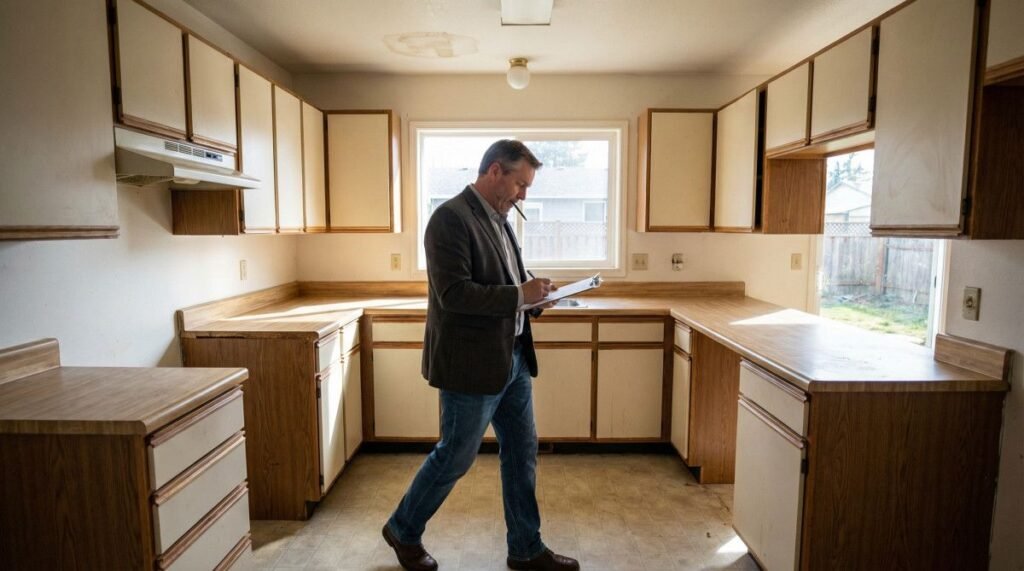
The physical condition of a property significantly impacts its profitability. A thorough inspection is non-negotiable. Engage a qualified home inspector to identify any structural issues, problems with major systems (HVAC, plumbing, electrical), roof integrity, and potential environmental hazards. Beyond the inspector’s report, conduct your own walk-through, looking for signs of deferred maintenance, water damage, pest infestations, or outdated fixtures that might deter tenants or require costly upgrades. Obtain estimates for any identified repairs or renovations to accurately factor these costs into your financial projections. Neglecting this step can lead to significant unexpected expenses that erode your investment returns.
Calculating Potential Income and Expenses
Accurate financial projections are the bedrock of sound investment decisions. Start by estimating potential rental income based on comparable properties in the area. Be realistic and consider potential vacancies. Then, meticulously list all anticipated expenses. These typically include:
- Mortgage Payments: Principal and interest.
- Property Taxes: Research current rates and potential increases.
- Insurance: Landlord insurance policies.
- Property Management Fees: If you plan to hire a manager (typically 8-12% of gross rents).
- Maintenance and Repairs: Budget at least 1% of the property’s value annually, or a fixed percentage of gross rents (e.g., 10%).
- Utilities: If included in rent.
- Vacancy Reserve: Set aside funds for periods when the property is unoccupied (e.g., 5-10% of gross rents).
- Capital Expenditures (CapEx) Reserve: Funds for major replacements like roofs, HVAC systems, or appliances.
A detailed income and expense analysis will reveal the property’s true cash flow potential.
Legal and Regulatory Considerations
Navigating the legal landscape of rental properties is crucial for compliance and avoiding costly disputes. While federal laws like the Fair Housing Act (FHA) provide baseline protections against discrimination, state and local landlord-tenant laws vary significantly across the United States. These laws govern aspects such as lease agreements, security deposit limits, eviction procedures, habitability standards, and notice requirements for entry or rent increases. For instance, some states require landlords to pay interest on security deposits, while others have strict limits on late fees. Before purchasing, familiarize yourself with the specific regulations in the property’s jurisdiction. Consulting with a local real estate attorney can help ensure your lease agreements are compliant and that you understand your rights and obligations as a landlord. Ignorance of these laws is not a defense and can lead to severe penalties.
Comparative Analysis of Rental Property Investment Metrics
To illustrate how different metrics can paint a varied picture of a property’s potential, consider the following comparison of two hypothetical rental properties:
| Metric | Property A (Urban Condo) | Property B (Suburban Single-Family) |
|---|---|---|
| Purchase Price | $300,000 | $400,000 |
| Annual Gross Rent | $24,000 | $36,000 |
| Annual Operating Expenses (excl. mortgage) | $6,000 | $9,000 |
| Net Operating Income (NOI) | $18,000 | $27,000 |
| Down Payment (20%) | $60,000 | $80,000 |
| Annual Mortgage Payment | $12,000 | $16,000 |
| Annual Pre-Tax Cash Flow | $6,000 | $11,000 |
| Cap Rate | 6.0% | 6.75% |
| Cash-on-Cash Return | 10.0% | 13.75% |
| Gross Rent Multiplier (GRM) | 12.5 | 11.1 |
| Debt Service Coverage Ratio (DSCR) | 1.5 | 1.69 |
In this example, Property B appears to offer slightly better returns across most key metrics, indicating a potentially stronger investment opportunity based purely on these numbers. However, other factors like future appreciation potential, tenant quality, and personal preference also play a significant role.
Frequently Asked Questions About Rental Property Analysis
What is a good Cap Rate for a rental property?
- A “good” Cap Rate varies significantly by market, property type, and risk. Generally, investors look for Cap Rates between 4% and 10%. Higher Cap Rates often indicate higher risk or a less desirable location, while lower Cap Rates might suggest a more stable, appreciating market. Always compare a property’s Cap Rate to similar properties in the same area.
How much should I budget for repairs and maintenance?
- A common rule of thumb is to budget 1% of the property’s value annually for maintenance and repairs. For example, a $200,000 property would require $2,000 per year. Another approach is to allocate 10-15% of the gross rental income. It’s crucial to build a reserve fund for unexpected major repairs, such as a new roof or HVAC system.
What is the 1% Rule in real estate investing?
- The 1% Rule suggests that a rental property should generate at least 1% of its purchase price in gross monthly rent to be a good investment. For instance, a $200,000 property should rent for at least $2,000 per month. This is a quick screening tool, not a definitive analysis, and should be used in conjunction with other financial metrics.
How important is location when buying a rental property?
- Location is arguably the most critical factor in rental property investment. It influences rental demand, property appreciation, tenant quality, and vacancy rates. Look for areas with strong job markets, good schools, amenities, and convenient transportation. A desirable location can often compensate for minor property imperfections.
Should I hire a property manager?
- Hiring a property manager depends on your time availability, experience, and proximity to the property. A good property manager can handle tenant screening, rent collection, maintenance, and legal compliance, saving you time and stress. However, their fees (typically 8-12% of gross rents) will impact your cash flow, so factor this into your financial analysis.
Conclusion
Analyzing a rental property before buying is a multi-faceted process that demands diligence, research, and a clear understanding of financial principles. By systematically evaluating market conditions, scrutinizing financial metrics like Cap Rate and Cash-on-Cash Return, conducting thorough property inspections, and understanding the legal framework, investors can significantly reduce risks and enhance their chances of success. Remember that while federal guidelines provide a foundation, state and local laws governing landlord-tenant relationships are diverse and must be carefully observed. A well-executed pre-purchase analysis transforms a speculative venture into a strategic investment, laying the groundwork for a profitable and sustainable real estate portfolio.
