
According to property management Warren RI, navigating the complexities of a landlord-tenant relationship can be challenging, especially when faced with a difficult or unresponsive landlord. Tenants often encounter various issues, from neglected repairs and maintenance to disputes over lease terms or security deposits. Understanding your rights and the proper channels for resolution is crucial to protecting your interests and ensuring a safe and habitable living environment. This comprehensive guide provides actionable steps and legal insights for tenants in the United States dealing with problematic landlords, emphasizing federal guidelines and the importance of understanding state-specific regulations. By following a structured approach, tenants can effectively advocate for themselves and seek appropriate remedies when landlord-tenant issues arise.
Understanding Your Rights as a Tenant
Tenants in the United States are protected by a combination of federal, state, and local laws. The implied warranty of habitability is a fundamental principle, ensuring that landlords must provide a safe and livable property. This includes maintaining essential services like heat, water, and electricity, and ensuring the property is free from serious hazards. Federal laws, such as the Fair Housing Act, prohibit discrimination based on race, color, religion, sex, national origin, familial status, and disability. While federal laws set a baseline, state and local ordinances often provide additional protections and specific procedures for addressing landlord-tenant disputes. It is imperative for tenants to familiarize themselves with the laws in their specific jurisdiction, as these can significantly impact the available recourse.
Key Tenant Rights and Responsibilities
| Category | Tenant Rights | Tenant Responsibilities |
|---|---|---|
| Habitability | Right to a safe and habitable living environment (e.g., working utilities, structural safety). | Maintain cleanliness, use facilities properly, report needed repairs promptly. |
| Privacy | Right to peaceful enjoyment of the property; landlord must provide notice before entry. | Allow landlord reasonable access for repairs, inspections, or showings with proper notice. |
| Repairs | Right to timely repairs for issues affecting health and safety after written notice. | Notify landlord in writing of necessary repairs; do not cause damage. |
| Discrimination | Protection from discrimination based on federal and state fair housing laws. | Adhere to lease terms and community rules; pay rent on time. |
| Security Deposit | Right to return of security deposit (minus legitimate deductions) within a specified timeframe. | Leave property in good condition (normal wear and tear excepted); provide forwarding address. |
Documenting Everything: Your Most Powerful Tool
Effective documentation is paramount when dealing with a bad landlord. Every interaction, issue, and communication should be meticulously recorded. This includes keeping copies of your lease agreement, all correspondence (emails, letters, text messages), photographs or videos of property conditions (before and after issues arise), and records of rent payments. When reporting issues, always do so in writing, clearly stating the problem, the date it was observed, and a reasonable timeframe for resolution. Certified mail with a return receipt can provide proof of delivery for important notices. This comprehensive paper trail serves as undeniable evidence should legal action become necessary, strengthening your position in any dispute.
Communicating Effectively and Formally
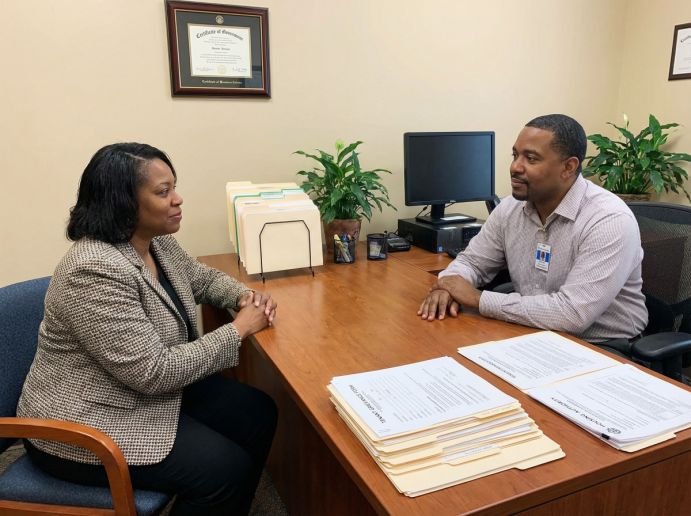
Initial attempts to resolve issues should always begin with clear, formal communication. While informal conversations might seem easier, written communication provides a verifiable record. Start by sending a polite but firm letter detailing the problem, referencing specific lease clauses if applicable, and requesting a specific action within a reasonable timeframe (e.g., 7-14 days for repairs). Avoid emotional language; stick to facts and legal obligations. If the landlord remains unresponsive, escalate your communication. Many states require tenants to provide written notice of a problem and allow the landlord a certain period to fix it before further action can be taken. Always keep a copy of every letter sent.
When to Withhold Rent (and When Not To)
Withholding rent can be a powerful tool, but it is also one of the riskiest actions a tenant can take and can lead to eviction if not done correctly. In most states, tenants cannot simply stop paying rent. There are specific legal procedures that must be followed, often involving placing rent into an escrow account or a similar mechanism, and only for very serious habitability issues that the landlord has failed to address after proper written notice. Improperly withholding rent can result in eviction, damage to your credit, and difficulty finding future housing. Always consult with a legal professional or tenant rights organization before considering rent withholding to understand the specific laws and requirements in your state.
Seeking External Assistance and Legal Remedies
If direct communication and formal notices fail, it may be time to seek external assistance. Tenant rights organizations, housing authorities, and legal aid societies can provide invaluable advice and mediation services. These organizations often have experience with local landlord-tenant laws and can guide you through the next steps. In more severe cases, legal remedies may be necessary. This could involve filing a complaint with a housing authority, pursuing a small claims court case for damages, or even breaking the lease without penalty if the landlord has breached the implied warranty of habitability. Understanding the specific legal avenues available in your state is critical.
Understanding Eviction and Protecting Yourself
Eviction is a legal process by which a landlord removes a tenant from a rental property. It is crucial to understand that a landlord cannot legally evict a tenant without a court order. Self-help evictions, such as changing locks, shutting off utilities, or removing a tenant’s belongings, are illegal in all states. If you receive an eviction notice, do not ignore it. Seek legal advice immediately. There are often defenses available, especially if the eviction is retaliatory or based on a landlord’s failure to maintain the property. Knowing your rights and responding appropriately to an eviction notice can protect you from unlawful displacement.
FAQ: Dealing with a Bad Landlord
What constitutes a “bad landlord”?
A “bad landlord” typically refers to one who neglects their responsibilities, such as failing to make necessary repairs, violating lease terms, entering the property without proper notice, or engaging in discriminatory practices. It can also include landlords who are unresponsive to tenant concerns or who attempt illegal evictions.
Can I break my lease if my landlord is bad?
Breaking a lease without penalty is generally only permissible under specific legal circumstances, such as if the landlord has significantly breached the lease agreement or violated the implied warranty of habitability. This often requires providing written notice and allowing the landlord an opportunity to remedy the situation. Always seek legal advice before breaking a lease.
What is the first step I should take when I have an issue with my landlord?
The first step is always to communicate the issue to your landlord in writing. Clearly describe the problem, the date it occurred, and what action you expect, along with a reasonable timeframe for resolution. Keep a copy of all correspondence.
Where can I find information about tenant rights in my state?
You can find information about tenant rights through your state’s Attorney General’s office, local housing authorities, tenant rights organizations, or legal aid societies. Websites like Nolo.com or Avvo.com also provide general legal information, but always verify with local resources.
What should I do if my landlord threatens me with eviction?
If your landlord threatens eviction, do not panic. Understand that a legal eviction requires a court order. Document the threat and seek immediate legal counsel from a tenant rights attorney or legal aid service. Do not move out unless legally required to do so by a court.
Conclusion
Dealing with a bad landlord can be a stressful and challenging experience, but tenants are not without recourse. By understanding your rights, meticulously documenting all interactions and issues, communicating formally, and knowing when to seek external assistance, you can effectively navigate disputes and protect your living situation. Remember that federal laws provide a baseline of protection, but state and local laws often offer more specific guidance and remedies. Always prioritize written communication and, when in doubt, consult with legal professionals or tenant advocacy groups to ensure your actions are compliant with local regulations and best position you for a favorable outcome.
