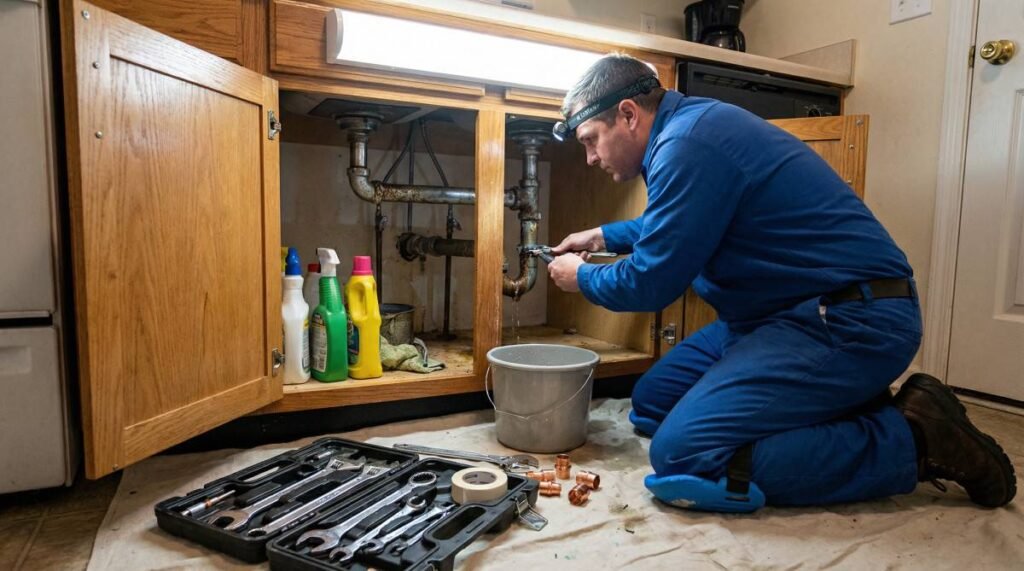
Navigating rental property maintenance can be a significant challenge for both landlords and tenants, notes Imperial Asset Management experts. A clear understanding of repair responsibilities is essential for a positive landlord-tenant relationship and for ensuring legal compliance. In the United States, these duties are primarily shaped by the “implied warranty of habitability,” a legal principle requiring landlords to provide a safe and livable environment. While this sets a national standard, specific laws vary greatly by state and locality, affecting everything from repair timelines to what is considered a critical issue. This guide outlines the core repair responsibilities of landlords, distinguishes them from tenant duties, explores state-level variations, and details the recourse available to tenants when necessary repairs are neglected. A firm grasp of these distinctions is vital for all parties to ensure rental properties remain habitable and all legal obligations are fulfilled.
The Implied Warranty of Habitability: A Foundational Principle
The cornerstone of a landlord’s repair obligations is the implied warranty of habitability. This legal doctrine, effective in most states, dictates that a rental property must be suitable for human habitation, even if not explicitly stated in the lease. It is an unwritten guarantee that the landlord will maintain a property that meets basic health and safety standards. This warranty ensures tenants have access to essential services and a living space free from hazards. Key areas covered typically include structural integrity, waterproofing, functional plumbing and electrical systems, and adequate heating. This principle is not a federal law but a common law concept adopted by individual states, meaning its interpretation and enforcement can differ. Landlords must keep the premises in good repair and promptly address issues that compromise habitability. Failure to do so can result in legal action, rent withholding by tenants, or lease termination.
Common Landlord Repair Responsibilities
Landlords are responsible for maintaining the property’s structural integrity and ensuring all essential systems are functional. These duties go beyond aesthetics to include critical components affecting a tenant’s health and safety. Key landlord responsibilities include:
- Structural Elements: Maintaining the roof, walls, foundation, and floors. Significant leaks or unstable flooring that compromise safety are the landlord’s responsibility.
- Essential Utilities: Ensuring access to and proper function of vital utilities like plumbing (hot and cold water), electricity, and heating.
- Pest Control: Eradicating severe infestations that make a property uninhabitable.
- Common Areas: In multi-unit buildings, maintaining shared spaces like hallways, stairwells, and lobbies to be safe and clean.
- Provided Appliances: Repairing or replacing appliances like refrigerators or stoves that are part of the lease and fail due to normal wear and tear.
- Safety Features: Ensuring smoke and carbon monoxide detectors are present and functional at the start of the tenancy.
Tenant Responsibilities vs. Landlord Liability
While landlords hold significant repair duties, tenants are also responsible for property maintenance. Tenants must generally keep the unit clean, perform minor upkeep, and repair any damage they or their guests cause. This distinction is vital for avoiding disputes.
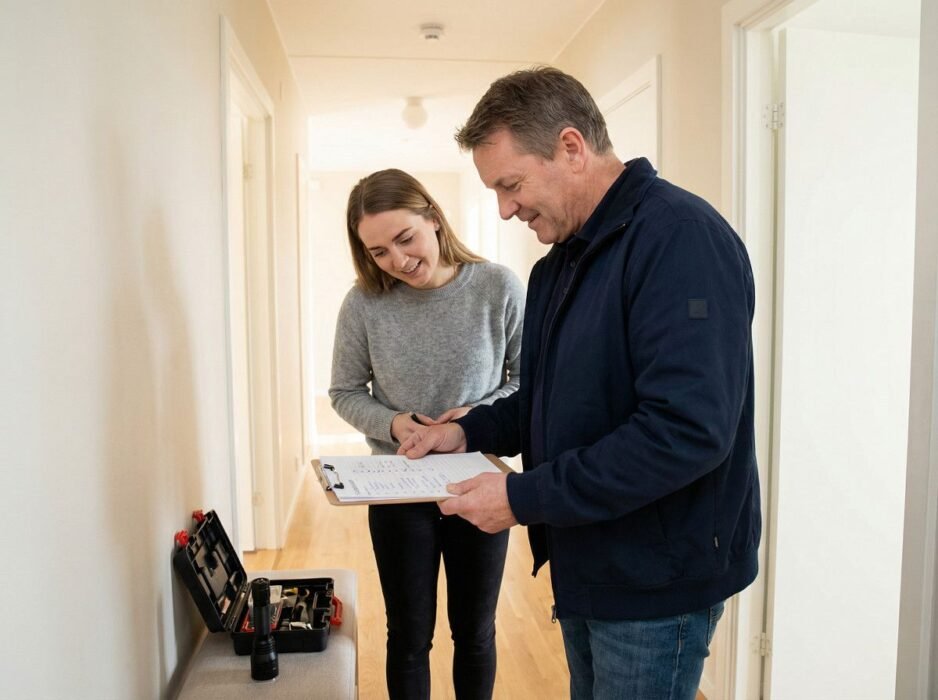
Common tenant duties include:
- Minor Maintenance: Tasks like changing light bulbs or replacing smoke detector batteries.
- Cleanliness: Maintaining a reasonable level of cleanliness to prevent pests or damage.
- Prompt Reporting: Notifying the landlord in writing of any necessary repairs in a timely manner.
- Damage Repair: Covering the cost of repairs for damage caused by tenant negligence or misuse.
- Wear and Tear: Differentiating between normal wear and tear (landlord’s responsibility) and actual damage (tenant’s responsibility).
Lease agreements should clearly outline these responsibilities. Documenting the property’s condition before move-in provides a baseline for assessing any new damage.
State and Local Variations in Repair Laws
The specifics of landlord repair duties, especially timelines, are determined by state and local laws. There is no single federal law dictating repair speed; instead, states define repair categories and deadlines.
| Repair Category | Examples | Typical Landlord Responsibility | Common State Timelines (Approx.) |
|---|---|---|---|
| Emergency | No heat in winter, burst pipes, gas leak, major electrical issue | Immediate threat to health/safety | 24-72 hours |
| Urgent | Leaky roof, broken refrigerator, non-functional toilet | Affects habitability, but not an immediate threat | 7-14 days |
| Routine | Dripping faucet, cosmetic damage, minor appliance issue | Minor inconvenience, does not affect habitability | 30 days or “reasonable time” |
Landlords and tenants must consult their specific state and local housing codes. Some municipalities have stricter ordinances than state law. The lease should always reflect these local regulations.
Tenant Recourse for Unaddressed Repairs
When a landlord fails to make necessary repairs, tenants have several options. It is critical to follow proper legal procedures to avoid jeopardizing the tenancy. Remedies vary by state but generally include:
- Written Notice: The essential first step is to provide the landlord with formal written notice of the problem.
- Repair and Deduct: Some states allow tenants to arrange for repairs and deduct the cost from rent, with strict limits.
- Rent Withholding: In certain states, tenants can withhold rent until repairs are made, but this is a risky action that often requires placing the rent in an escrow account and should be done only after seeking legal advice.
- Lease Termination: If the property becomes uninhabitable, a tenant may have grounds to terminate the lease without penalty.
- Legal Action: In severe cases, tenants can sue the landlord for damages or to compel repairs.
Tenants should always seek advice from a landlord-tenant attorney or a local housing authority before taking these steps to ensure they comply with state laws.
Frequently Asked Questions About Landlord Repair Responsibilities
What is the “implied warranty of habitability”?
It is a legal principle in most US states requiring landlords to provide rental properties that are safe, healthy, and fit for human habitation. This includes ensuring functional utilities and freedom from hazards.
Are landlords responsible for all repairs?
No. Landlords are responsible for repairs from normal wear and tear and issues affecting habitability. Tenants are responsible for minor maintenance and damage they cause through negligence or misuse.
How quickly must a landlord make repairs?
Timelines vary by state and repair type. Emergencies often require action within 24-72 hours, while non-urgent issues may have a 7-30 day window. Check local laws for specific requirements.
What should a tenant do if a landlord doesn’t make repairs?
A tenant should first provide written notice. If the landlord fails to act, state laws may permit actions like “repair and deduct,” rent withholding, or lease termination. Seeking legal advice is highly recommended.
Can a landlord charge a tenant for repairs?
Yes, if the damage was caused by the tenant’s negligence or intentional actions. Landlords cannot charge for repairs due to normal wear and tear or pre-existing issues that violate the warranty of habitability.
Conclusion
Understanding the balance of landlord and tenant repair responsibilities is key to successful property management. While the implied warranty of habitability sets a national baseline, specific duties and timelines are governed by state and local laws. Landlords must prioritize proactive maintenance and respond to repair requests promptly to comply with legal mandates and ensure tenant satisfaction. Tenants must maintain their units and communicate issues clearly. By adhering to these principles and consulting local regulations, both parties can foster a rental environment that is both legally compliant and genuinely habitable.
