
Investing in rental properties can be a lucrative path to wealth accumulation and passive income, but not all properties are created equal. A truly “good” rental property investment goes beyond just a desirable location or an attractive facade. It involves a meticulous evaluation of various financial metrics, market conditions, and operational considerations that collectively determine its potential for profitability and long-term appreciation. Understanding these critical factors is essential for both novice and seasoned investors to mitigate risks, maximize returns, and build a resilient real estate portfolio. This guide will explore the core elements that define a successful rental property investment, offering insights into how to identify opportunities that align with your financial goals, notes IIP Management professionals.
Understanding Market Dynamics and Location
The success of a rental property is heavily influenced by its location and the broader market dynamics. A strong rental market is characterized by high demand, low vacancy rates, and steady rent growth. Factors such as job growth, population increases, and local amenities (schools, shopping, transportation) contribute significantly to a property’s desirability. Researching local economic indicators and future development plans can provide valuable insights into an area’s investment potential. For instance, a city experiencing an influx of major employers is likely to see increased housing demand, driving up rental values and property appreciation. Consider the average household income, employment rates, and future infrastructure projects when assessing a location.
Financial Metrics: Cap Rate, Cash Flow, and ROI
Key financial metrics are indispensable for evaluating a rental property’s viability. The Capitalization Rate (Cap Rate), calculated as Net Operating Income (NOI) divided by the property’s purchase price, offers a quick way to compare the profitability of different investment opportunities. A higher cap rate generally indicates a better return, though it doesn’t account for financing. Cash flow, the net income generated by the property after all expenses (mortgage, property taxes, insurance, maintenance, vacancy reserves) are paid, is crucial for day-to-day financial health. Positive cash flow ensures the property is self-sustaining and provides regular income. Return on Investment (ROI) measures the gain or loss generated on an investment relative to the amount of money invested. It helps assess the efficiency of an investment over time, often considering both cash flow and appreciation. A common benchmark for a good cash-on-cash return (a form of ROI) is often 8% or higher, depending on the investor’s risk tolerance and market conditions.
Property Condition and Maintenance Costs
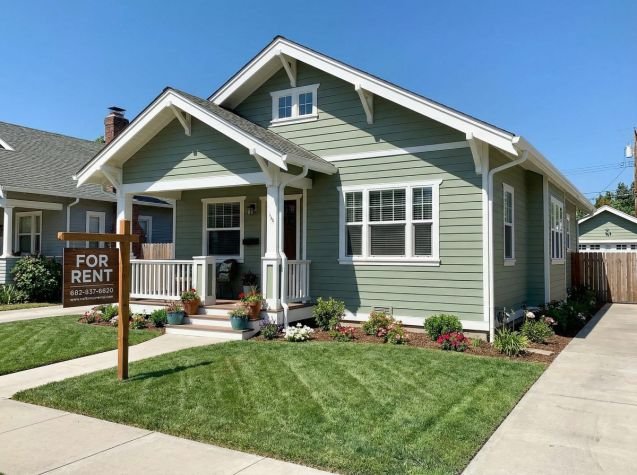
The physical condition of a property directly impacts its appeal to tenants and the ongoing maintenance expenses. While a fixer-upper might offer a lower purchase price, the renovation costs and potential for unexpected repairs can quickly erode profits. A well-maintained property with modern amenities can command higher rents and attract reliable tenants. Investors should conduct thorough inspections and budget for both routine maintenance and larger capital expenditures, such as roof replacement, HVAC system upgrades, or appliance replacements. A general rule of thumb is to allocate 1% of the property’s value annually for maintenance, though this can vary based on the age and condition of the property. For example, a $300,000 property might require $3,000 per year for maintenance. Neglecting maintenance can lead to tenant dissatisfaction, higher turnover, and costly emergency repairs.
Tenant Quality and Management
Securing high-quality tenants is paramount for a successful rental property. Reliable tenants pay rent on time, maintain the property, and minimize turnover. A robust tenant screening process, including credit checks (looking for scores typically above 620), background checks, rental history verification, and employment verification, is essential. Effective property management, whether self-managed or outsourced to a professional, ensures smooth operations, timely rent collection, and prompt resolution of tenant issues. Property managers typically charge 8-12% of the gross monthly rent. Poor tenant selection or inadequate management can lead to costly vacancies, property damage, and legal disputes, significantly impacting profitability.
Legal and Regulatory Environment
Understanding the legal and regulatory landscape is critical for rental property investors. This includes federal housing laws, such as the Fair Housing Act, and state-specific landlord-tenant laws that govern leases, evictions, security deposits, and property maintenance standards. While federal laws provide a baseline, state laws can vary significantly, impacting an investor’s rights and responsibilities. For example, some states have stricter rent control regulations or eviction processes, which can affect an investor’s ability to adjust rents or remove problematic tenants. Consulting with legal professionals familiar with local real estate laws is advisable to ensure compliance and avoid potential legal pitfalls. Staying informed about local zoning laws and permitting requirements is also crucial for any property modifications or developments.
Comparative Analysis of Rental Property Types
| Property Type | Pros | Cons | Typical Cap Rate Range |
|---|---|---|---|
| Single-Family Home | Appeals to families, potential for higher appreciation, easier to finance. | Higher maintenance costs, single income stream, longer vacancy periods. | 4% – 7% |
| Multi-Family (Duplex/Triplex) | Multiple income streams, easier to scale, often in urban areas. | More complex management, higher initial investment, potentially higher tenant turnover. | 6% – 10% |
| Condominium/Townhouse | Lower maintenance for owner (HOA handles exterior), amenities for tenants. | HOA fees reduce cash flow, less control over property, potential for special assessments. | 3% – 6% |
| Commercial (Small Retail/Office) | Longer lease terms, tenants often pay for maintenance/taxes (NNN lease). | Higher initial investment, more complex leases, market sensitivity to economy. | 7% – 12% |
FAQ
What is a good capitalization rate for a rental property?
A “good” capitalization rate (cap rate) can vary significantly based on location, property type, and market conditions. Generally, investors look for cap rates between 4% and 10%. Higher cap rates often indicate higher risk but potentially higher returns, while lower cap rates suggest lower risk and more stable markets. It’s crucial to compare cap rates within the specific market you are considering, and always factor in potential vacancy rates (e.g., 5-10%) when calculating Net Operating Income.
How much cash flow should a rental property generate?
Ideally, a rental property should generate positive cash flow, meaning the income from rent exceeds all operating expenses, including mortgage payments, property taxes, insurance, maintenance, and a vacancy reserve. A common benchmark for positive cash flow is often cited as $100-$200 per door per month, but this can vary based on property value and expenses. For example, a property generating $200 in positive cash flow monthly yields $2,400 annually, contributing directly to your investment returns.
What are the most important factors for rental property appreciation?
Property appreciation is primarily driven by strong market fundamentals, including robust job growth, consistent population increase, and limited housing supply. Desirable neighborhoods with good schools, low crime rates, and access to amenities (e.g., public transportation, parks, retail) also contribute significantly. While appreciation is not guaranteed, investing in areas with robust economic indicators and a high quality of life tends to foster long-term value growth. Historically, real estate has appreciated by an average of 3-5% annually, though this varies by region and economic cycle.
Should I self-manage my rental property or hire a property manager?
The decision to self-manage or hire a property manager depends on your experience, time availability, and the number of properties you own. Self-management can save costs (avoiding the typical 8-12% of gross monthly rent fee) but requires significant time for tenant screening, maintenance coordination, rent collection, and legal compliance. A property manager handles these tasks, which can be beneficial for busy investors or those with multiple properties. Consider the trade-off between cost savings and the significant time commitment required for effective self-management.
What federal laws impact rental property owners in the US?
Several federal laws impact rental property owners in the US, with the most prominent being the Fair Housing Act. This act prohibits discrimination in housing based on race, color, religion, sex, national origin, familial status, and disability. Other relevant federal regulations include the Fair Credit Reporting Act (FCRA) for tenant screening and lead-based paint disclosure requirements for properties built before 1978. It is important to remember that state and local laws can add further regulations, and investors should always consult local legal counsel to ensure full compliance, as penalties for violations can be severe.
Conclusion
Identifying a good rental property investment requires a comprehensive approach that extends beyond superficial appeal. It involves a deep dive into market dynamics, a rigorous analysis of financial metrics, a realistic assessment of property condition and maintenance, strategic tenant management, and a thorough understanding of the legal and regulatory environment. By diligently evaluating these factors, investors can make informed decisions that pave the way for sustainable passive income, long-term appreciation, and a robust real estate portfolio. A successful rental property is not just a building; it is a carefully managed asset that contributes significantly to an investor’s financial well-being and long-term wealth creation.
