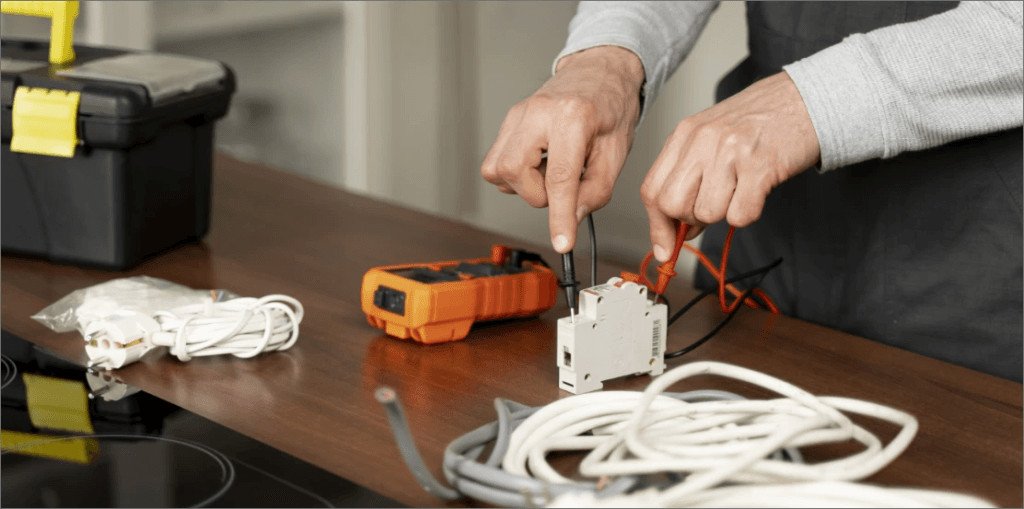
HVAC maintenance best practices split neatly into two jobs: a monthly habit that you handle, and an annual tune-up that a professional does. The monthly job is the air filter, which you inspect, clean, or change on a regular schedule, because a dirty filter raises your bills and can damage equipment. The annual job is a pre-season check-up by a licensed contractor, once in spring for cooling and once in fall for heating. Do both and your system runs cleaner, lasts longer, and costs less to run, explains Gwinnett County property management.
Below is the maintenance plan split by who does what, the checklist to follow each season, and the mistakes that undo it all.
What You Do, and What the Pro Does
The line is simple: leave the combustion, refrigerant, and electrical work to a professional, and handle the upkeep yourself. Each month, inspect, clean, or change the air filter on your central air conditioner, furnace, or heat pump, since a dirty one restricts airflow and can damage the equipment, per the ENERGY STAR maintenance checklist.
Leave the deeper work to the annual tune-up, where a contractor checks the thermostat settings, tightens electrical connections and measures motor current, lubricates moving parts, inspects the condensate drain, and verifies the system starts and shuts off properly.
Some system-specific work also belongs to the pro. On cooling, a technician cleans the evaporator and condenser coils, checks and adjusts the refrigerant level, and cleans the blower components, since airflow problems can cut efficiency noticeably. On heating, they check the gas or oil connections, gas pressure, burner combustion, and the heat exchanger, where an improper connection is a fire hazard and a cracked heat exchanger is unsafe. Those are not homeowner repairs.
The Annual Tune-Up, Twice a Year
Schedule professional maintenance twice, not once, so each system gets checked before it is needed most. Book the cooling system in spring, before summer demand, and the heating system in fall, before cold weather, and the seasonal maintenance guidance from heating-and-cooling manufacturers makes the same point about staying ahead of the season. A good tune-up covers the thermostat, electrical connections, lubrication, the condensate drain, the coils, refrigerant, and the burner and heat exchanger, catching small problems before they become repairs.
That annual check is also where a worn part or a leaking connection surfaces while it is cheap to fix, which is the whole point of preventive maintenance. Skipping it trades a modest visit now for a breakdown in the season’s worst weather, when you pay emergency rates to get heat or cool air back.
The Monthly and Seasonal DIY Tasks
Between tune-ups, a few simple tasks keep the system healthy. Change the air filter on schedule and clear the area around the outdoor unit, removing leaves and debris that can block airflow and back up the unit, especially in fall and winter. Keep the outdoor coils clean and give the unit clearance so air moves freely. Check that vents and registers are open and unblocked and that furniture is not covering them. Keep the thermostat set sensibly and ensure it sits where it reads your home, not a heat source. These take minutes each month and do more to prevent breakdowns than any single expensive step.
The Common Mistakes That Undo It
Several habits quietly cancel out all the good intentions. Skipping filter changes is the most common, letting a dirty filter strain the system and raise bills. Skipping the annual tune-up entirely is next, leaving refrigerant, combustion, and moving parts unchecked until they fail. Attempting gas, refrigerant, or electrical repairs yourself is both unsafe and often against code, so that work stays with the licensed pro. Blocking the outdoor unit with debris or plants shortens its life and cuts efficiency. And ignoring warning signs, an odd noise, a rise in bills, a musky odor, or weak airflow, turns a small fix into a big one. Where you see those signs, call a technician rather than waiting.
Cost, and the Confusing Rules
Another reason to keep up the habit is the price difference. A routine professional maintenance visit commonly runs roughly a hundred dollars for each seasonal check, while even a modest repair often costs more and a refrigerant recharge can cost several hundred, so spending the modest amount to prevent the larger one usually wins. A few rules floating around are worth sorting out. The “$5,000 rule” for HVAC is the same legacy rule of thumb seen for furnaces, roughly that a system replacement lands near five thousand dollars or about five hundred per ton, not an official price. The “3 R’s in HVAC” is not a single universal standard; some use it for the refrigerant-handling trio, while others apply it to repair, replace, or recycle, so ask what someone means before taking any action. The “20 rule” is also ambiguous, sometimes the idea that a well-maintained system can last around twenty years and sometimes a thermostat-setback guideline, so it is better to judge by your equipment’s age and condition.
HVAC Maintenance Best Practices: Common Topics
What is the $5000 rule for HVAC?
It is a legacy rule of thumb, roughly that a common HVAC replacement lands near five thousand dollars, or about five hundred dollars per installed ton, not an official or current price. Modern cost depends on the system, home size, and local labor, so treat it as a loose check, not a budget.
What are common HVAC maintenance mistakes?
The biggest ones are skipping filter changes, skipping the annual tune-up, attempting gas or refrigerant work yourself, letting debris block the outdoor unit, and ignoring warning signs like odd noises, rising bills, or weak airflow. Each turns a small, cheap fix into a larger, costlier one.
What are the 3 R’s in HVAC?
There is no single universal standard. Some professionals use the 3 R’s for refrigerant handling, while others apply them to repair, replace, or recycle decisions. Since the term varies, confirm what someone means rather than taking any particular definition as universal.
What is the 20 rule for HVAC?
It is ambiguous. Some use it to mean a well-maintained system can last around twenty years, and others use it for a thermostat-setback guideline. Judge replacement by your equipment’s actual age and condition rather than a fixed rule.
How often should HVAC be serviced?
Have a licensed contractor check the cooling system each spring and the heating system each fall, and change or clean the air filter monthly in between. This twice-a-year professional tune-up plus the monthly filter is the standard best practice.
Keep HVAC maintenance simple and it protects your budget. Change the air filter monthly, clear the outdoor unit, and book a licensed pro for the cooling check in spring and the heating check in fall, covering the coils, refrigerant, combustion, and heat exchanger. Skip the filter and the tune-up and a small strain becomes a breakdown at the worst moment. Do the monthly habit, trust the annual visit, and your system stays comfortable, efficient, and out of the repair shop.
