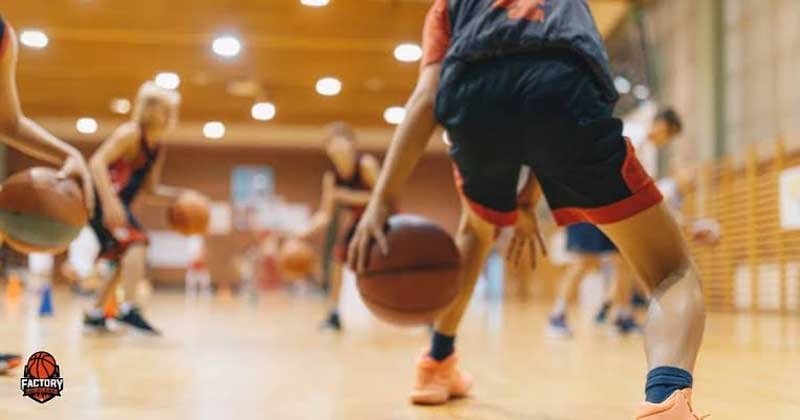
Basketball has quickly cemented itself as one of Australia’s top organised sports for children. As of recent years, regular youth participation across the country has surged to well over 350,000 players aged between five and 14. With this incredible boom in popularity, families are increasingly moving away from casual weekend shootarounds in the driveway and looking toward specialised, outcome-oriented academies. Selecting the right program can shape a child’s relationship with physical activity for life. However, navigating the many local grassroots programs requires knowing exactly what makes a youth development program truly effective, engaging, and fundamentally safe.
The Long-Term Benefits of Early Court Time
Getting children involved in structured team sports during their early primary years offers advantages that extend far beyond the baseline of simply burning off excess energy after school. The physical and psychological advantages of starting early are well documented. According to research regarding sport and children published by the Victoria State Government, regular involvement in youth athletics contributes directly to the healthy growth of bones and muscles, improved physical coordination, significantly reduced anxiety, and much greater self-confidence.
When young children learn to pass the ball under pressure, communicate effectively on defence, and share the court with their peers, they are actively developing vital social skills such as cooperation, empathy, and leadership. These early interactions build resilience, teaching kids how to handle both winning and losing with grace. These holistic benefits highlight exactly why Australian parents view reputable sports academies as a crucial investment in their child’s overall personal development and long-term mental wellbeing.
Finding the Right Foundation for Your Child
Not all coaching programs are created equal, and early athletic education requires a highly specific pedagogical approach. When parents are evaluating different local options for basketball training for kids, they need to look closely at the curriculum design and the overarching grassroots focus of the provider. Effective early-childhood programs deliberately simplify the complex rules of the full-court game. They consistently utilise age-appropriate equipment, such as lowered hoops and lighter, smaller basketballs. This thoughtful approach allows children to learn proper shooting mechanics early on, removing the immediate pressure of intense competition and instead accelerating foundational motor skill acquisition.
Top-tier beginner sessions avoid unregulated free play, which can often be chaotic and leave shyer children standing idle on the sidelines. Instead, they use a carefully sequenced and structured training methodology. A quality session will beautifully balance physical warm-up movement games, focused core skill drills, and heavily modified, controlled game time. This ensures every single child touches the ball frequently and feels genuinely involved in the group activity.
Interestingly, the core markers of quality youth coaching are completely universal across all major athletic disciplines. Just as we outlined in our comprehensive guide to finding the best soccer academy in Sydney, parents should prioritise programs that combine a structured curriculum with a supportive, development-focused environment. Whether a child is learning to dribble a soccer ball or a basketball, they need a safe space that fosters genuine physical literacy, including critical gross motor development like hand-eye coordination, balance, and spatial awareness.
Key Safety and Coaching Standards to Verify
Beyond the on-court curriculum and fun drills, administrative safety and professional coaching standards are absolutely non-negotiable elements of any youth program. Modern state-level safeguarding guidelines dictate strict requirements for anyone working with children in a sporting capacity. When touring a local academy or reviewing their enrolment package, parents should verify the following essential standards:
Verified Working With Children Checks: Under strict Australian child safety regulations, all youth sports coaches, technical directors, and even parent volunteers are legally mandated to hold a valid and fully verified background check before stepping onto the court.
Small Coach-to-Student Ratios: Premium academies prioritise personalised instruction by maintaining incredibly strict class sizes. Look for a ratio between one to six and one to eight, which ensures direct supervision, adequate individual feedback, and elevated safety during fast-paced drills.
Certified Medical Preparedness: All on-court coaching staff should possess up-to-date First Aid and CPR certifications. The academy must also have comprehensive, easily accessible emergency preparedness plans in place for any unexpected on-court injuries.
Inclusive Development Pathways: Look for programs that align smoothly with national physical activity guidelines or well-known local initiatives. The curriculum should introduce fundamental motor skills in a welcoming environment that accommodates children of all baseline athletic abilities.
Making the Final Decision
Ultimately, the best youth basketball academy is the one that makes your child excited to lace up their sneakers and hit the court every single week. Parents should actively take advantage of free trial classes to closely observe how the coaches interact with the young athletes. Watch to see if the instructors use positive reinforcement, correct technical mistakes gently, and maintain a highly positive energy level throughout the entire session. By prioritising structured curriculums, strict safety standards, and a deeply supportive culture, Australian parents can confidently find the perfect sporting academy to kickstart their child’s lifelong love of physical fitness.
