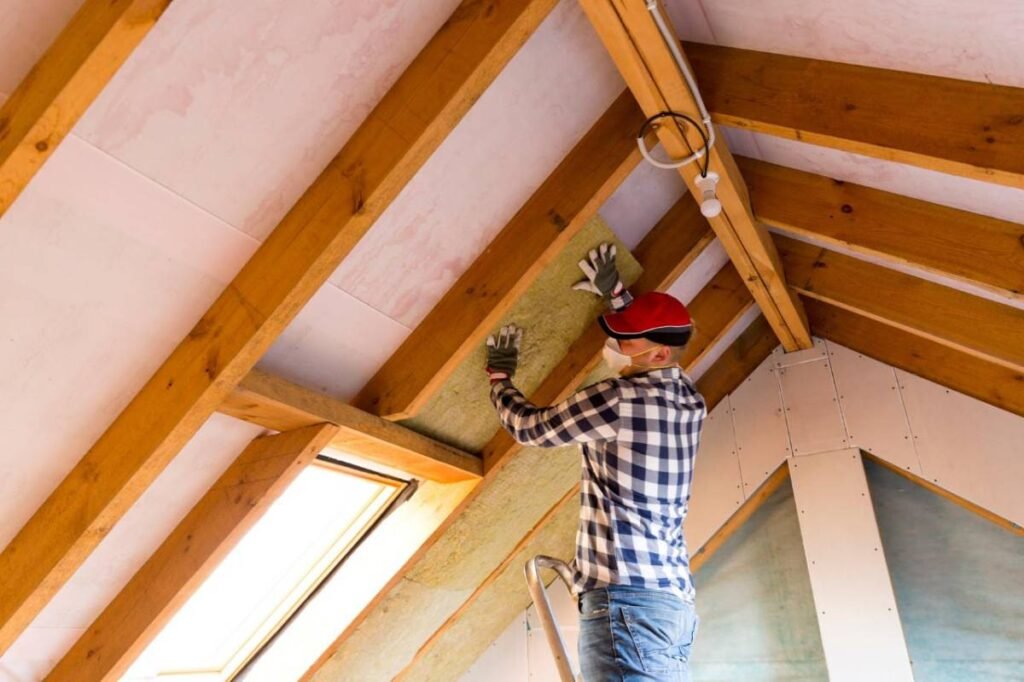
Your attic is one of the most important areas to insulate in your home, and the cost per square foot is the best way to compare your options. Adding insulation to an underinsulated attic is the most cost-effective home improvement you can make for energy savings. Understanding the cost per square foot helps you choose the right material and budget for your project. Attic insulation can reduce heating and cooling costs by 10 to 50 percent depending on the existing insulation level and your climate zone.
Attic insulation costs $1 to $4 per square foot installed depending on the material and the target R-value. Blown-in fiberglass is the most affordable at $1 to $2 per square foot. Cellulose costs $1.50 to $2.50 per square foot. Spray foam costs $2 to $4 per square foot. For a typical 1,000-square-foot attic, the total cost ranges from $1,000 to $4,000, notes Woodland Hills Property Management.
Cost by Insulation Material
Blown-in fiberglass insulation costs $1 to $2 per square foot installed. It is the most affordable option for attic insulation. The material is blown into the attic space using a machine that fills gaps and corners for complete coverage. Blown-in fiberglass has an R-value of 2.2 to 2.7 per inch and is ideal for attics with irregular joist spacing and obstructions like wires and pipes.
Blown-in cellulose insulation costs $1.50 to $2.50 per square foot installed. Cellulose is made from recycled paper products treated with fire retardant. It has a higher R-value than fiberglass at 3.2 to 3.8 per inch. Cellulose also provides better air sealing because it settles into a denser layer than fiberglass. It is the best value for homeowners who want maximum energy savings at a moderate cost.
Spray foam insulation costs $2 to $4 per square foot installed. Open-cell spray foam has an R-value of 3.5 to 4.0 per inch. Closed-cell spray foam has the highest R-value at 6.0 to 7.0 per inch. Spray foam provides both insulation and air sealing in one step. It is the most expensive option but offers the highest energy savings and creates an effective air barrier that prevents drafts and moisture problems.
| Material type | Cost per sq ft | R-value per inch | 1,000 sq ft attic | DIY-friendly |
| Blown-in fiberglass | $1 to $2 | 2.2 to 2.7 | $1,000 to $2,000 | With rental machine |
| Blown-in cellulose | $1.50 to $2.50 | 3.2 to 3.8 | $1,500 to $2,500 | With rental machine |
| Fiberglass batts | $1 to $2 | 3.0 to 4.2 | $1,000 to $2,000 | Yes |
| Open-cell spray foam | $2 to $3 | 3.5 to 4.0 | $2,000 to $3,000 | Professional only |
| Closed-cell spray foam | $3 to $4 | 6.0 to 7.0 | $3,000 to $4,000 | Professional only |
Cost by R-Value
The R-value measures the insulation resistance to heat flow. Higher R-values provide better insulation but cost more per square foot because more material is needed. The recommended R-value for attic insulation depends on your climate zone. Most homes in the United States need R-38 to R-60 for optimal energy efficiency and comfort throughout the year.
R-30 insulation costs $1 to $1.50 per square foot installed. This is the minimum recommended level for most climates and is suitable for attics in warmer southern regions. R-38 costs $1.50 to $2.50 per square foot and is the standard recommendation for most of the United States. R-49 costs $2 to $3 per square foot and is recommended for colder northern climates with significant heating needs.
R-60 insulation costs $2.50 to $4 per square foot for the coldest regions. Adding insulation to an attic with no existing insulation costs more per square foot than topping up existing insulation. The contractor must install air sealing and baffles before adding new insulation, which can add $0.50 to $1 per square foot to the total project cost for the complete installation.
Labor and Installation Cost
Professional installation labor adds $0.50 to $1 per square foot to the cost of attic insulation. The labor cost is typically included in the per-square-foot price quoted by insulation contractors. For a 1,000-square-foot attic, the labor portion is $500 to $1,000. The labor covers air sealing, baffle installation, material blowing or placement, and cleanup of the work area following the installation.
DIY attic insulation saves $0.50 to $1 per square foot in labor. Blown-in fiberglass or cellulose requires a machine rental that costs $50 to $100 per day from most home improvement stores. The machine is needed to blow the loose-fill material into the attic through a hose. Fiberglass batts require no special equipment and are the easiest DIY option for homeowners without experience.
Air sealing is an important part of attic insulation that is often overlooked by DIY installers. Sealing gaps around pipes, wires, and chimneys prevents air leakage that bypasses the insulation. Professional contractors include air sealing in their service. DIY installers should budget $50 to $150 for caulk, spray foam, and weatherstripping materials for the necessary air sealing work.
Energy Savings and Return on Investment
Attic insulation has one of the highest returns on investment of any home improvement project. The U.S. Department of Energy estimates that proper attic insulation reduces heating and cooling costs by 10 to 50 percent, depending on the existing insulation level and your climate zone. The average homeowner recovers the cost of attic insulation in 2 to 5 years through energy savings on monthly utility bills.
The federal energy tax credit covers 30 percent of the cost of attic insulation up to $1,200 per year. This credit applies to insulation materials only, not the installation labor. The credit is available for insulation installed in your primary residence through 2032. Many states also offer additional rebates and incentives for attic insulation improvements that further reduce the net cost.
The long-term savings from attic insulation are substantial. Over 10 years, a properly insulated attic can save $2,000 to $5,000 or more in reduced energy costs, depending on your climate and energy rates. These savings far exceed the initial investment and make attic insulation one of the most financially rewarding improvements you can make to your home.
An energy auditor with 18 years of experience explained: “The most common mistake I see with attic insulation is homeowners adding more insulation without air sealing first. Air leaks in the attic bypass the insulation and reduce its effectiveness by 30 to 50 percent. Air sealing is cheap and makes a huge difference. Every attic should be air sealed before any new insulation is added for the best results.”
DIY vs Professional Installation
DIY attic insulation saves $0.50 to $1 per square foot in labor. For a 1,000-square-foot attic, the savings are $500 to $1,000. Fiberglass batts are the easiest DIY option because they require no special equipment. Blown-in insulation requires a machine rental but provides better coverage in attics with obstructions and irregular joist spacing that make batt installation difficult.
Professional installation ensures the insulation is applied at the correct depth and density for the target R-value. The contractor also handles air sealing, baffle installation for ventilation, and proper coverage of all areas. Professional results typically have a higher effective R-value because the contractor ensures even coverage and proper installation technique throughout the entire attic floor area.
The project timeline differs between DIY and professional. Professional installation of blown-in attic insulation takes one to two days for a typical attic. DIY installation takes one to three weekends depending on the attic accessibility and your experience level. The time investment is significant for DIY, and the physical demands of working in an attic space should not be underestimated by homeowners considering the DIY approach.
Frequently Asked Questions
How much does attic insulation cost per square foot?
Attic insulation costs $1 to $4 per sq ft installed. Blown-in fiberglass is $1 to $2. Cellulose is $1.50 to $2.50. Spray foam is $2 to $4. The cost depends on the material and R-value.
What is the cheapest attic insulation material?
Blown-in fiberglass is the cheapest at $1 to $2 per sq ft. Fiberglass batts cost the same but require more labor to install correctly in attics with irregular spacing and obstructions.
What attic insulation offers the best value?
Blown-in cellulose offers the best value at $1.50 to $2.5. It has a higher R-value than fiberglass and better air sealing at a moderate cost.
What R-value do I need for my attic?
Most homes need R-38 to R-60 for attic insulation. R-38 is standard for most of the US. R-49 to R-60 is recommended for colder northern climates with harsh winter conditions.
Can I insulate my attic myself to save money?
Yes, DIY saves $0.50 to $1 per sq ft in labor. Batts are easiest. Blown-in needs a machine rental. Proper air sealing is critical for the best results from the insulation.
Should I remove old attic insulation before adding new?
Remove old insulation if moldy or rodent-infested. Otherwise add new over old. Air seal the attic before adding any new insulation for the best results.
How much does attic air sealing cost?
Air sealing costs $0.50 to $1 per sq ft by a contractor. DIY materials cost $50 to $150. Air sealing improves insulation effectiveness by 30 to 50 percent.
Is attic ventilation needed with new insulation?
Yes, proper ventilation is essential. Soffit vents and ridge vents keep the attic cool and dry. Baffles should be installed to keep insulation away from the vent openings for proper airflow.
Attic insulation is one of the most cost-effective home improvements you can make. The cost per square foot is low compared to the energy savings it provides over time. Investing in proper attic insulation improves comfort, reduces energy bills, and adds value to your home for years to come.
