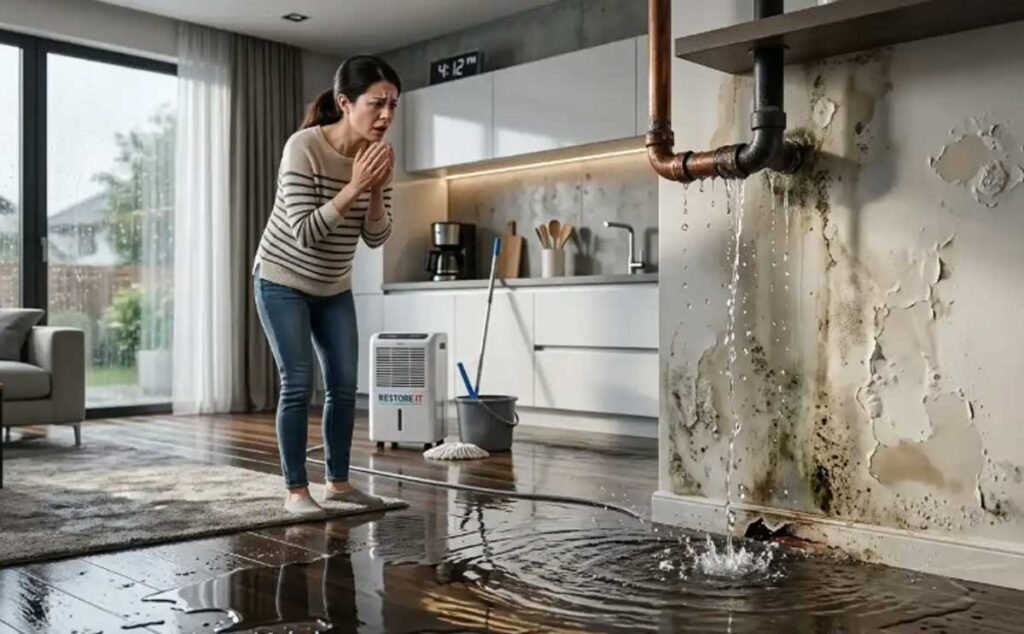
When a water leak strikes, panic often sets in. The potential for damage to your home and the inconvenience it causes can be overwhelming. Immediate action is crucial to minimize damage and repair costs. This article provides a comprehensive checklist for homeowners to tackle an Emergency Water Leak Repair effectively. Whether you’re dealing with a minor drip or a major burst, understanding what steps to take can save time, money, and stress.
Emergency Water Leak Repair Strategies for Immediate Action
In the event of a water leak, the first step is to locate the main water shut-off valve. Typically found near the water meter or in a basement, quickly turning off this valve can prevent further water damage. Next, assess whether the leak has affected your electrical system. If water has reached electrical outlets or appliances, turn off the power at the circuit breaker to avoid potential hazards.
For leaks that occur in systems connected to your Home Automation Hub, such as smart faucets or appliances, disable these systems to prevent additional complications. Once the immediate threat is contained, document the damage for insurance purposes, using your phone to capture photos and videos of the affected areas.
Identifying Common Signs of Water Leaks in Your Home
Water leaks are not always immediately visible. Common signs include discolored walls or ceilings, a sudden spike in your water bill, or the sound of running water when no faucets are on. Additionally, mold or mildew growth might indicate a hidden leak. Implementing an Indoor Air Quality Monitor can help detect changes in humidity levels, which may signal a leak.
Another effective method is a Soil Moisture Sensor for homes with basements. This tool can alert you to water accumulation in areas not visible to the naked eye. Regular checks and maintenance can help you catch leaks early, preventing costly repairs down the line.
Essential Tools and Supplies for Emergency Repairs
Having the right tools on hand can make a significant difference when dealing with a leak. A basic toolkit should include a pipe wrench, plumbing tape, and a bucket to catch water. For more advanced preparation, consider having a Home Inventory Management system in place. This will help you quickly assess and replace any damaged items, streamlining the recovery process.
It’s also wise to keep a Mold Remediation Protocol guide accessible. If water damage occurs, understanding how to safely and effectively clean and prevent mold growth can protect your family’s health. Lastly, ensure your Smart Thermostat Calibration is up to date, as water leaks can affect your home’s heating and cooling efficiency.
Finding Professional Help: When to Call a Plumber
While some water leak repairs can be managed independently, certain situations warrant professional intervention. If the leak persists despite your efforts, or if you’re unsure of the source, it’s time to seek expert help. Plumbers can quickly assess and resolve complex issues, preventing further damage. According to a recent Emergency Water Leak Repair survey, addressing leaks promptly can reduce repair costs by up to 50%.
Moreover, if you’ve attempted a Childproofing Assessment and discovered that the leak poses a risk to young children, professional assistance is crucial. For those in older homes, an Energy Efficiency Audit may reveal additional vulnerabilities that need attention. Finding a qualified plumber with the appropriate Home Staging Certification ensures you receive high-quality service that respects your home’s aesthetics.
Conclusion
Proactively managing water leaks can protect your home and family from significant disruption. By following this checklist, homeowners can effectively address leaks, minimizing damage and costs. For those times when DIY measures fall short, contacting a professional ensures peace of mind and a thorough repair. Prioritizing water leak management is not just a necessity; it’s a smart investment in your home and family’s well-being.
