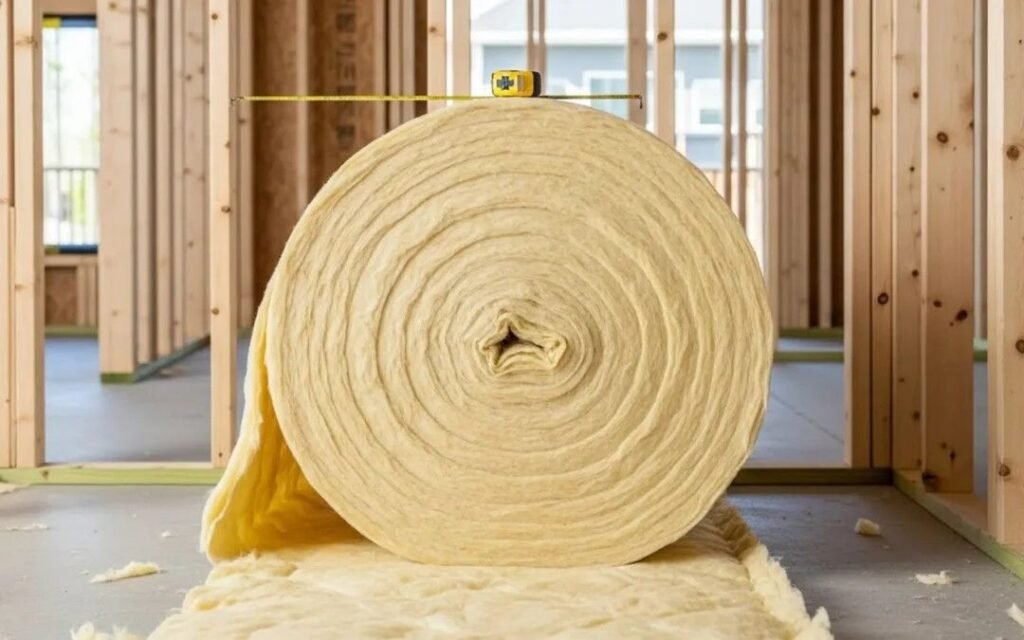
Old fiberglass insulation can become compressed, contaminated, or damaged over time, reducing its effectiveness and potentially causing health concerns, explains Mandarin Property Management company. When it is time to remove old insulation, the cost depends on the location, accessibility, and how the insulation is installed. Understanding the cost helps you budget for removal and replacement. Fiberglass insulation removal is a labor-intensive process that requires proper safety equipment and disposal procedures.
Removal costs $1 to $5 per square foot depending on the location and accessibility. Attic removal costs $1 to $2 per square foot. Wall removal costs $2 to $5 per square foot because access is more difficult and the insulation must be pulled out through wall cavities. Professional removal for a typical 1,000-square-foot attic costs $1,000 to $2,000.
Cost by Removal Location
Attic removal costs $1 to $2 per square foot. The attic is the easiest and most affordable area to remove insulation because it is open and accessible. Workers can vacuum or rake out the insulation quickly. Attic removal is the most common type of insulation removal project because attics are often underinsulated or have old, damaged insulation that needs replacement.
Wall removal costs $2 to $5 per square foot. Wall removal is more difficult because the insulation is inside closed cavities. Workers must access the insulation from the top of the wall or cut access holes between studs. Drywall repair after wall insulation removal adds $1 to $3 per square foot to the total project cost for the complete job.
Crawl space and basement insulation removal costs $1.50 to $3 per square foot. Crawl spaces are tight and difficult to work in, which increases the labor cost. The insulation in these areas is often wet or contaminated, requiring special handling and disposal procedures. Workers must wear protective gear in confined spaces, which adds to the time and cost of the removal process.
| Location | Cost per sq ft | Difficulty | Common reasons for removal |
| Attic | $1 to $2 | Easy | Old, compressed, contaminated insulation |
| Walls | $2 to $5 | Difficult | Water damage, mold, pest infestation |
| Crawl space | $1.50 to $3 | Moderate | Moisture damage, rodent contamination |
| Basement | $1.50 to $3 | Moderate | Water damage, old or damaged insulation |
Factors That Affect Removal Cost
The size of the area is the primary factor in removal cost. Larger areas cost more total but often have a lower per-square-foot rate because the setup cost is spread over more square footage. A 500-square-foot attic costs $750 to $1,500 at $1.50 to $3 per square foot. A 2,000-square-foot attic costs $2,000 to $4,000 at $1 to $2 per square foot, with the lower per-square-foot rate reflecting the efficiency of larger projects.
The condition of the insulation affects the cost. Clean, dry fiberglass that has simply settled over time is the easiest to remove. Insulation that is wet, moldy, or contaminated with rodent droppings requires special handling and disposal. Contaminated insulation costs 50 to 100 percent more to remove because of the additional safety precautions and specialized disposal procedures.
Accessibility affects the cost. Attics with pull-down stairs or easy access cost less than attics with small access hatches that make it difficult to remove bagged insulation. Crawl spaces with limited headroom are more expensive because workers must work in confined conditions that slow down the work. Easy access reduces labor time and the overall cost of the removal project.
The Removal Process
The fiberglass insulation removal process starts with preparing the work area. Plastic sheeting is laid to contain dust and debris. Workers wear protective suits, gloves, goggles, and respirators to protect against fiberglass irritation. The insulation is removed using rakes, shovels, or a vacuum system designed for insulation removal. The loose material is bagged in heavy-duty disposal bags.
In attics, loose-fill insulation is vacuumed out using a commercial insulation vacuum. Batts are pulled out by hand and bagged. The vacuum method is faster and creates less dust than manual removal. The vacuum blows the insulation directly into disposal bags or a dump trailer. Vacuum removal costs $1 to $1.50 per square foot compared to $1.50 to $2 for manual removal in attics.
After removal, the area is cleaned and prepared for new insulation. Any remaining debris is vacuumed. Pest droppings and contaminated materials are treated with disinfectant. The subfloor or wall cavities are inspected for damage that may need repair before new insulation is installed. The inspection may reveal moisture problems or pest entry points that need to be addressed before new insulation goes in.
DIY vs Professional Removal
DIY fiberglass insulation removal saves $1 to $5 per square foot in labor. For a 1,000-square-foot attic, the savings are $1,000 to $2,000. However, DIY removal requires proper safety equipment. Fiberglass causes skin and respiratory irritation. A proper respirator, protective suit, gloves, and goggles cost $50 to $150. The disposal cost is $20 to $50 for heavy-duty bags and dumpster fees.
The health risks of DIY fiberglass removal are significant. Inhaling fiberglass particles can cause respiratory issues. Skin contact causes irritation that lasts for days. Contaminated insulation with mold or rodent droppings adds additional health hazards. Professional removal companies have commercial-grade vacuums with HEPA filtration that minimize dust and exposure during the removal process.
Professional removal also includes proper disposal. Fiberglass insulation is not accepted in regular household trash in many areas. Professional contractors know the local disposal regulations and include disposal fees in their quotes. Improper disposal of fiberglass insulation can result in fines and environmental damage that DIY homeowners may not be aware of when doing the work themselves.
An insulation contractor with 18 years of experience said: “The most common mistake I see homeowners make with fiberglass insulation removal is trying to do it themselves without proper protection. Fiberglass gets in your skin, eyes, and lungs. I have seen DIY removals where the homeowner ends up in urgent care with respiratory issues. The safety gear is essential, and professional removal is worth the cost for anything larger than a small attic space.”
Disposal Costs and Regulations
Fiberglass insulation disposal costs $20 to $50 per cubic yard at most landfills. The disposal cost is typically included in the professional removal price. A 1,000-square-foot attic with 6 inches of insulation generates about 500 cubic feet or 18.5 cubic yards of waste. Disposal fees for this volume are $370 to $925 when paid separately by the homeowner arranging their own disposal.
Some areas have specific regulations for fiberglass insulation disposal. Fiberglass is generally classified as construction and demolition debris rather than hazardous waste. However, insulation contaminated with mold, rodent droppings, or asbestos requires special handling and disposal. Contaminated insulation disposal costs $50 to $200 per cubic yard because of the additional handling requirements and specialized disposal facility.
Professional contractors include disposal in their quotes. They have relationships with disposal facilities and can dispose of the material at lower rates than individual homeowners. The disposal cost in a professional quote is typically $0.20 to $0.50 per square foot. This is significantly less than what a homeowner would pay for dumpster rental or individual disposal at the local landfill facility.
Frequently Asked Questions
How much does removal cost per square foot?
Removal costs $1 to $5 per sq ft depending on location. Attic removal is $1 to $2. Wall removal is $2 to $5. Crawl space removal is $1.50 to $3. Professional removal is recommended.
How much does attic removal cost?
Attic removal costs $1 to $2 per sq ft or $1,000 to $2,00. Cost depends on accessibility and the condition of the insulation.
Can I remove fiberglass insulation myself?
DIY is possible for small areas with proper safety gear. A respirator, suit, and gloves cost $50 to $150. Professional removal is recommended for large areas.
Is fiberglass insulation removal dangerous?
Fiberglass causes skin and respiratory irritation. Proper safety equipment is essential. Contaminated insulation with mold or rodent droppings adds additional health hazards for workers.
When should fiberglass insulation be removed?
Remove insulation that is wet, moldy, rodent-infested, or. Old insulation over 20 years loses R-value and may contain harmful contaminants.
How is fiberglass insulation disposed of?
Fiberglass is disposed as construction debris at landfills. Some areas have regulations. Contaminated insulation needs special handling. Professionals include disposal in the quote.
Should I replace insulation after removal?
Yes, always replace removed insulation with new material. The cost of new insulation is $1 to $4 per sq ft installed. Combining removal and replacement in one project saves money on labor.
How much more does rodent-contaminated insulation cost to remove?
Rodent-contaminated insulation costs 50 to 100 percent more. The additional cost covers special handling, protective equipment, and decontamination of the area after removal.
Fiberglass insulation removal is a labor-intensive process that is best handled by professionals for anything beyond a small attic space. The cost of professional removal includes proper safety equipment, efficient removal methods, and compliant disposal that protects both the workers and the environment.
