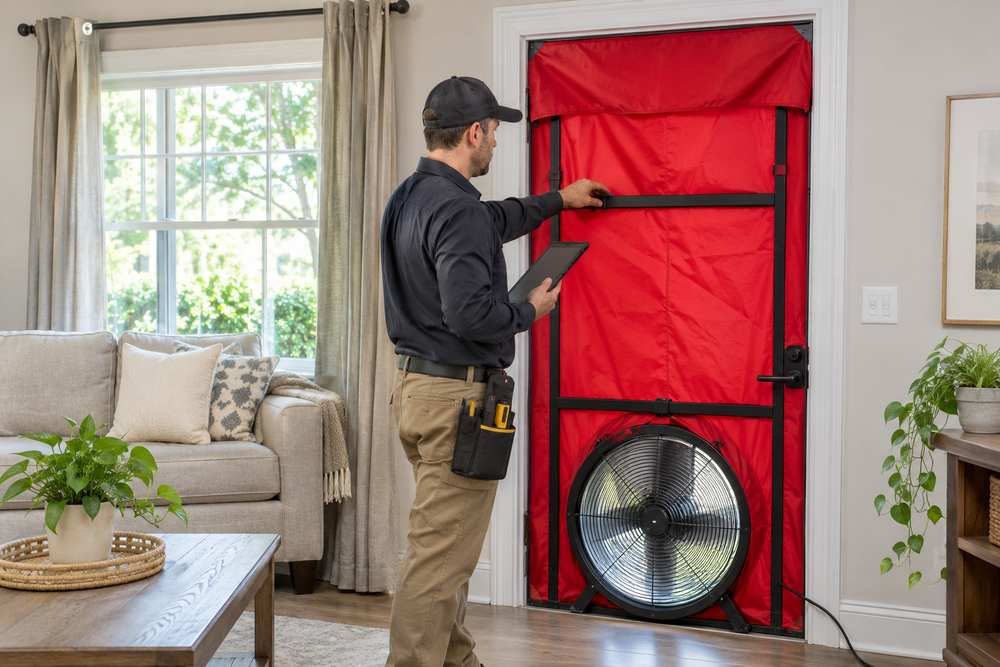
A home energy efficiency rating tells you how efficient a home or appliance is, but the scales do not point the same way: on the HERS Index a lower number is better, while on an ENERGY STAR building score and the DOE Home Energy Score a higher number is better, so “efficient” only means something once you match the number to its scale. For a whole home you will most often meet the HERS Index, which measures how a house compares to a reference home, with lower scores signaling less energy use.
Written as a practical guide, the home energy efficiency rating explained below walks what a rating measures and puts the common rating systems side by side.
It also clears up the direction confusion, which is where most people misread the numbers. If you want to act on a low score, the best home energy efficiency improvements guide lists the upgrades that move it.
What a home energy efficiency rating actually measures
A rating is just a score an assessment or a measured data set produces, and its meaning depends entirely on the scale it sits on. The key habit is to check the direction before you trust the number, lower-is-good on a HERS score, higher-is-good on an ENERGY STAR building score.
Most whole-home ratings compare your house to a reference or to a peer set. The HERS Index, run by the residential energy-rating industry, scores a home against a reference home of the same size and shape, where 100 is the reference and 0 is a home that produces as much energy as it uses. ENERGY STAR’s building score is different in direction, a 1-to-100 score computed from actual measured energy use where higher means more efficient than similar buildings, as the ENERGY STAR score calculation guide explains. Both are legitimate; they just read the opposite way, which is exactly where people get tripped up.
The home energy rating systems you will meet
You will most often meet the HERS Index on a new build, the ENERGY STAR building score on a commercial-style benchmark, the DOE Home Energy Score on a resale assessment, and the blue EnergyGuide label plus ENERGY STAR on appliances, each with its own scale direction. The table below keeps the direction straight.
| System | What it rates | Scale | Which direction is good | Who gives it |
|---|---|---|---|---|
| HERS Index | A whole home vs a reference | 0 to 150+ | Lower is better | Certified rater |
| ENERGY STAR building score | Measured whole-building energy | 1 to 100 | Higher is better | EPA tool, measured data |
| DOE Home Energy Score | A whole home on an assessment | 1 to 10 | Higher is better | Certified assessor |
| EnergyGuide + ENERGY STAR label | A single appliance | Est. $/yr (and ENERGY STAR mark) | Lower $ and ENERGY STAR = good | Manufacturer label |
| SEER / EER | An air conditioner | Ratio (higher = more efficient) | Higher is better | Manufacturer spec |
Notice the split, the HERS Index is the odd one that reads lower-is-better, while the ENERGY STAR building score, the Home Energy Score, and the appliance ratios all read higher-is-better.
Keep that in mind and a “score” stops meaning the opposite of what you think.
What counts as a good rating, by system
What is “good” depends on the system, a new home usually scores well on HERS with a low number, an efficient existing building scores high on the ENERGY STAR 1-to-100 scale, and a Home Energy Score of 8 to 10 is a strong resale result. Judge a number against its own scale.
A realistic example helps. A budget-minded buyer considering a resale might see a DOE Home Energy Score of 6 and a HERS number quoted by a former rater; both describe the same house, but one reads high-is-good and the other low-is-good, so the buyer looks at direction first. On a new build, a HERS score in the 40s or lower is a broadly strong result next to the 100 reference, while an existing home that scores around the reference is simply average for its footprint. Keep the scale and the home’s age in mind together, because an average older home can be a legitimately good outcome for its vintage.
Common mistakes in reading energy ratings
The most common mistakes are treating every scale as if higher means better, judging a whole home by an appliance label, and importing the EU or UK A-to-G letter ratings into a US discussion. Each produces a wrong takeaway until you anchor the number to the right system.
- Reading direction wrong, the HERS “lower is better” is the easy one to flip.
- Using an appliance label for a whole home, a refrigerator’s energy guide says nothing about the house envelope.
- Importing the EU/UK A-G scale, those letter ratings are an appliance label in Europe, not a US whole-home rating, so a “D or E” question does not apply to an American house the same way.
- Quoting one number without the scale, always state which system a score comes from.
- Assuming higher U-factor on a window is the goal; a lower U-factor is the more insulating one.
None of these are hard to fix once you name the system first.
Write down the scale next to any score before you compare two homes or two quotes.
What to do with your home energy rating
Use the rating to decide what to fix, get a second opinion, and frame a purchase or remodel, but act on the scale direction and the improvement list, not on the bare number.
A rating is a diagnostic that points to the work that moves it, not a verdict on the home.
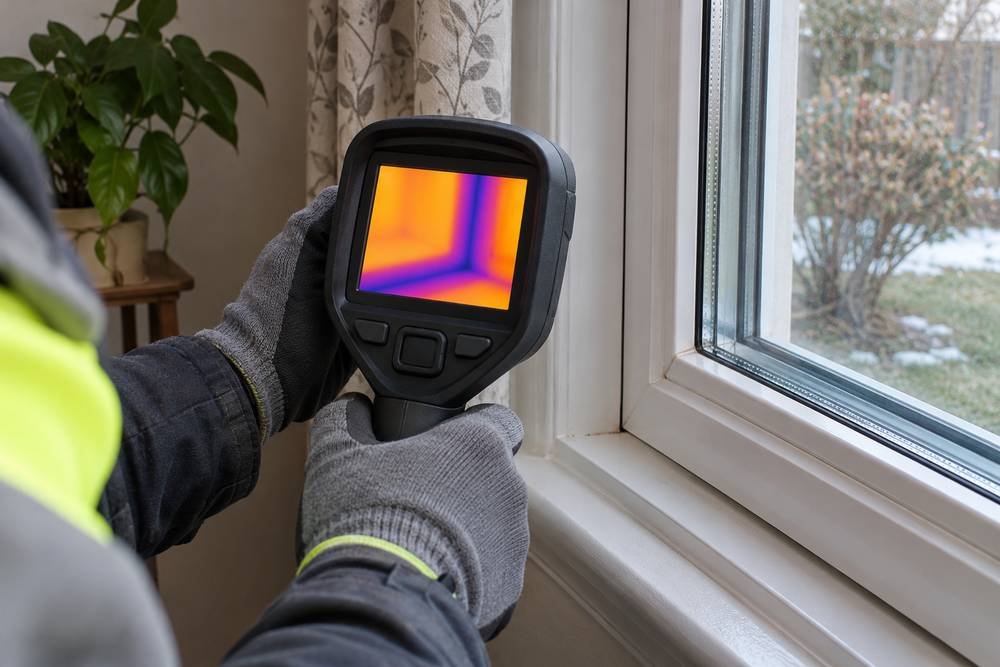
- Get a baseline, an official HERS rating or a DOE Home Energy Score gives you the starting number.
- Ask what drove it, the rater can tell you whether the leak is the envelope, the HVAC, or the water heater.
- Plan the highest-return fix, air sealing and insulation usually move the number fastest.
- Re-check after work, a second rating confirms the improvement instead of trusting a guess.
- Bring the number to financing or sale, an efficient score can support an eco-mortgage or a resale price discussion.
For the fixes that move a low score, the best home energy efficiency improvements page ranks the upgrades by return.
Get the baseline first, then spend on the item your own report flags.
Questions homeowners ask about energy ratings
What is considered a good home energy efficiency rating?
It depends on the scale: a low HERS number (well under the 100 reference) is good, an ENERGY STAR building score toward 100 is good, and a DOE Home Energy Score of 8 to 10 is a strong resale result. Read the direction of the scale before judging the number.
Which is better, an A or F energy rating?
On the EU-UK appliance letter scale, A is the most efficient and F the least, but those letters are an appliance label in Europe and are not a US whole-home rating. For a US home, use the HERS Index, the ENERGY STAR building score, or the Home Energy Score instead.
What is a HERS rating for a home?
The HERS Index compares a home to a reference house, where 100 is the reference and lower scores mean less energy use. A new home scoring in the 40s or lower is broadly strong, and 0 means a home that produces as much energy as it uses.
Is a lower or higher ENERGY STAR score better?
For the ENERGY STAR 1-to-100 building score, higher is better, because it measures actual energy use against similar buildings. This is the opposite of the HERS Index, where a lower number is better, so always check the scale first.
What does the EnergyGuide label tell you?
The yellow EnergyGuide label on a US appliance shows estimated annual operating cost and energy use, and the ENERGY STAR mark flags models that meet efficiency standards. It rates that one appliance, not the whole home.
The number that helps you decide
Match the rating to the decision you are making, read the direction of the scale, and treat the score as a diagnostic that points to the highest-return fix.
Get your baseline rating, ask your rater what drove it, and plan the improvement your own report flags. A rating you read correctly converts a confusing number into a clear next step.
