
Introduction: Beyond the Bill – Unveiling Your Home’s Hidden Water Story
For many homeowners, water usage remains a mystery, often only revealed through a monthly bill that can bring unwelcome surprises. Yet, in an era where every aspect of our homes is becoming smarter, the ability to understand and manage home water usage with smart tech in real-time is no longer a futuristic dream but a present-day reality. Smart home technology offers an unprecedented level of insight into our most precious resource, transforming how we interact with our plumbing systems and empowering us to make more informed, sustainable choices. This article delves into the world of smart water monitoring, exploring its mechanisms, benefits, and how it can revolutionize your home’s relationship with water.
Understanding Smart Water Monitoring: More Than Just a Meter
Smart water monitoring systems utilize advanced sensors and connected devices to provide real-time data on a home’s water consumption, enabling early smart water leak detection, promoting home water conservation, and offering detailed insights beyond traditional billing methods, according to Mt. Pleasant Property Management Company. These innovative systems move beyond the static readings of conventional water meters, offering a dynamic and granular view of water flow throughout your property. By continuously tracking water movement, they empower homeowners with the knowledge to identify inefficiencies, prevent costly damage, and contribute to broader water conservation efforts.
What Exactly is a Smart Water Meter and How Does it Function?
A smart water meter is a sophisticated device that measures water flow with high precision and transmits this data wirelessly to a central monitoring system. Unlike older mechanical meters that simply record cumulative usage, smart meters employ technologies such as ultrasonic or electromagnetic sensors to capture detailed flow rates. This real-time data is then processed by a microcontroller unit (MCU) within the device, which analyzes consumption patterns and detects anomalies. The information is typically relayed via wireless communication modules—like Wi-Fi, cellular, or LoRa®—to a cloud-based platform or a dedicated smartphone application. This allows homeowners to access their water usage data anytime, anywhere, providing a level of transparency previously unavailable.
The Core Components: Sensors, Connectivity, and Data Analytics
The effectiveness of smart water monitoring hinges on the seamless integration of several key components. At its heart are the flow sensors, which are installed on the main water line or individual appliances. These sensors are the eyes and ears of the system, accurately measuring the volume and rate of water passing through. Next, wireless communication modules ensure that the data collected by the sensors is transmitted efficiently and securely. This connectivity is crucial for real-time alerts and remote monitoring capabilities. Finally, data analytics platforms transform raw usage data into actionable insights. These platforms can identify unusual consumption patterns that might indicate a leak, categorize water use by fixture (e.g., shower, toilet, irrigation), and even provide personalized recommendations for water-saving practices. The synergy of these components creates a comprehensive system that not only monitors but also intelligently manages a home’s water ecosystem.
The Unseen Benefits: Why Smart Water Monitoring is a Modern Necessity
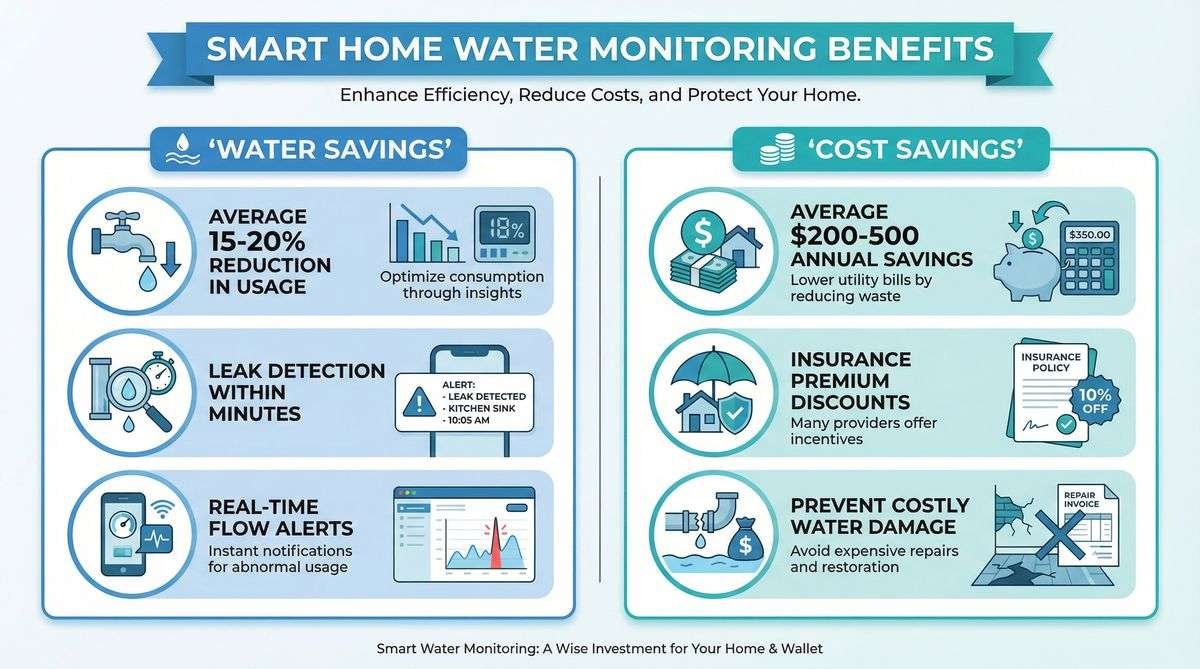
Smart water monitoring offers a multitude of advantages, extending beyond simple usage tracking to encompass significant financial savings, enhanced property protection, and a tangible contribution to environmental sustainability. In an increasingly resource-conscious world, understanding and optimizing water use is paramount. According to the World Resources Institute, 25 countries currently face extremely high water stress annually [1]. These smart home water management systems provide the tools necessary to achieve these goals, transforming an often-overlooked utility into a managed resource.
Early Leak Detection: Protecting Your Home and Your Wallet
One of the most compelling benefits of smart water monitoring is its ability to detect leaks early—often before they become visible or cause significant damage. Traditional leaks, such as a constantly running toilet or a slow drip from a pipe, can waste thousands of gallons of water annually, leading to unexpectedly high utility bills. More catastrophic events, like a burst pipe, can cause extensive property damage, resulting in costly repairs and insurance claims. Smart water usage monitoring devices continuously track water flow, and any deviation from normal patterns triggers an immediate alert to the homeowner’s smartphone. Some advanced systems can even automatically shut off the main water supply with a smart water shut-off valve when a major leak is detected, mitigating damage and providing invaluable peace of mind, especially when away from home.
Empowering Conservation: Real-Time Insights for a Greener Lifestyle
Beyond preventing disasters, smart water monitoring plays a crucial role in fostering water conservation. By providing real-time data and detailed usage reports, these systems make the invisible visible. Homeowners can see exactly how much water is consumed by different activities—from showering to laundry to outdoor irrigation. This transparency empowers individuals to identify areas of excessive use and adjust their habits accordingly. Setting daily, weekly, or monthly water budgets becomes a tangible goal, and the immediate feedback from the monitoring system reinforces water-saving behaviors. This direct connection between action and impact not only reduces individual water footprints but also contributes to broader community and environmental sustainability efforts.
Beyond Savings: Enhancing Property Value and Peace of Mind
The advantages of smart water monitoring extend beyond immediate financial savings and leak prevention. Integrating such technology can enhance a home’s overall value, appealing to environmentally conscious buyers who appreciate modern, efficient systems. Furthermore, the constant vigilance provided by these monitors offers an unparalleled sense of security. Knowing that your home is protected against water damage 24/7, whether you’re at work, on vacation, or asleep, is a significant psychological benefit. This peace of mind, coupled with the tangible benefits of conservation and cost reduction, makes smart water monitoring a wise investment for any homeowner.
Choosing Your Smart Water Solution: A Guide to Available Technologies
Selecting the right smart water monitoring system involves carefully considering the diverse range of solutions available, from comprehensive whole-home setups to targeted device monitors. Evaluating key features such as automatic shut-off capabilities, real-time alerts, and compatibility with your existing smart home ecosystem is crucial to align the system with your specific needs and home infrastructure.
Whole-Home Systems vs. Targeted Device Monitoring
Smart water monitoring solutions generally fall into two main categories: whole-home systems and targeted device monitors. Whole-home systems are typically installed on the main water line entering your property, providing a complete overview of all water consumption. These systems are ideal for comprehensive leak detection and overall usage analysis. They can often differentiate between indoor and outdoor water use and provide insights into consumption by various fixtures. Examples include devices that clamp onto existing meters or require professional plumbing integration. In contrast, targeted device monitors are designed to detect leaks or track usage for specific appliances or areas, such as under sinks, near water heaters, or for irrigation systems. These are often smaller, battery-powered sensors that send alerts when water is detected in an unintended location. While less comprehensive than whole-home systems, they offer a cost-effective solution for addressing specific concerns or supplementing a broader monitoring strategy.
Key Features to Consider: From Automatic Shut-Off to Water Quality
When choosing a smart water monitoring system, several features warrant consideration. Automatic shut-off capabilities are a premium feature that can prevent extensive damage by automatically closing the main water valve upon detecting a significant leak. This is particularly valuable for homeowners who travel frequently or want maximum protection. Real-time alerts via smartphone apps are standard, but consider systems that offer customizable notification preferences and integration with other smart home platforms (e.g., Alexa, Google Assistant). Detailed usage reports and analytics are crucial for understanding consumption patterns and identifying areas for conservation. Some advanced systems even offer water quality monitoring, providing insights into parameters like temperature or the presence of certain contaminants, although this is less common in residential applications. Finally, ease of installation (DIY vs. professional), battery life, and compatibility with your existing plumbing and smart home ecosystem are practical considerations that will influence your decision.
Installation and Integration: Making Smart Water Tech Work for You
Proper installation and seamless integration are paramount for optimizing the effectiveness of any smart water monitoring system. Homeowners can choose between straightforward DIY setups for simpler devices or opt for professional plumbing interventions for more complex whole-home solutions, ensuring optimal functionality and preventing potential issues.
DIY vs. Professional Installation: What You Need to Know
Many targeted leak detectors and some whole-home monitoring devices are designed for DIY installation. These typically involve placing sensors in strategic locations or clamping a device onto an existing water meter, often without requiring any pipe cutting or specialized tools. The setup usually involves connecting the device to your home’s Wi-Fi network and configuring it through a smartphone app. This approach is cost-effective and convenient for those comfortable with basic home tech. However, for more advanced whole-home systems that integrate directly into the main water line or involve automatic shut-off valves, professional installation by a licensed plumber is highly recommended. This ensures proper fitting, prevents potential leaks from faulty installation, and guarantees the system operates optimally. A professional can also assess your home’s plumbing infrastructure to recommend the most suitable system and placement.
Seamlessly Integrating with Your Smart Home Ecosystem
One of the significant advantages of smart water monitoring is its potential for seamless integration with your broader smart home ecosystem. Many systems are compatible with popular smart home platforms like Amazon Alexa, Google Home, or Apple HomeKit. This integration allows for centralized control and automation, where water alerts can trigger other smart home actions, such as turning off lights or sending notifications to multiple devices. For instance, if a leak is detected, your smart home system could not only alert you but also flash lights or play an audible alarm. When choosing a system, consider its compatibility with your existing smart home devices to ensure a cohesive and efficient network. This interconnectedness enhances convenience, security, and the overall intelligence of your home.
Frequently Asked Questions About Smart Water Monitoring
Smart water monitoring systems raise several common questions regarding their functionality, compatibility, and benefits. Understanding these aspects helps homeowners make informed decisions about integrating this technology into their homes for enhanced water management and conservation.
Can Smart Water Monitoring Help Detect Hidden Leaks?
Yes, smart water monitoring systems are highly effective at detecting hidden leaks by continuously tracking water flow and identifying unusual patterns that indicate a problem, often before any visible signs appear. These systems can pinpoint leaks in pipes behind walls, under floors, or underground, which would otherwise go unnoticed until significant damage occurs. The real-time data analysis allows for prompt alerts, enabling homeowners to address issues quickly and prevent costly repairs.
Is Smart Water Monitoring Compatible with All Home Plumbing Systems?
Most smart water monitoring systems are designed to be compatible with standard residential plumbing systems, though some advanced whole-home solutions may require specific installation considerations or professional assessment. Devices that clamp onto existing meters are generally universally compatible. However, systems that integrate directly into the main water line might require a professional plumber to ensure proper fitting and functionality, especially in older homes or those with unique plumbing configurations.
Will Smart Water Monitoring Save Me Money on My Water Bill?
Absolutely, smart water monitoring can lead to significant savings on your water bill by enabling early leak detection, promoting water-saving habits through real-time data, and helping you optimize overall water consumption. By identifying and addressing leaks promptly, you prevent wasted water. Furthermore, understanding your usage patterns empowers you to make conscious choices that reduce consumption, such as shortening showers or adjusting irrigation schedules, directly impacting your monthly expenses.
Do Smart Water Monitors Require Professional Installation?
The necessity of professional installation for smart water monitors depends on the specific type of system; many basic leak detectors are DIY-friendly, while more complex whole-home systems often benefit from or require professional plumbing expertise. Simple sensors can be placed by the homeowner, but devices that involve cutting into the main water line or integrating with complex plumbing systems are best handled by a licensed plumber to ensure correct installation and prevent potential issues.
How Does Smart Water Monitoring Support Water Conservation Efforts?
Smart water monitoring significantly supports water conservation by providing homeowners with granular, real-time insights into their water usage, fostering awareness, and enabling proactive measures to reduce waste. By making consumption visible and understandable, these systems encourage responsible water habits. They also help identify and eliminate inefficiencies, such as excessive irrigation or undetected leaks, thereby contributing to the sustainable management of this vital resource on both an individual and community level.
Conclusion: A Smarter, More Sustainable Future for Your Home’s Water
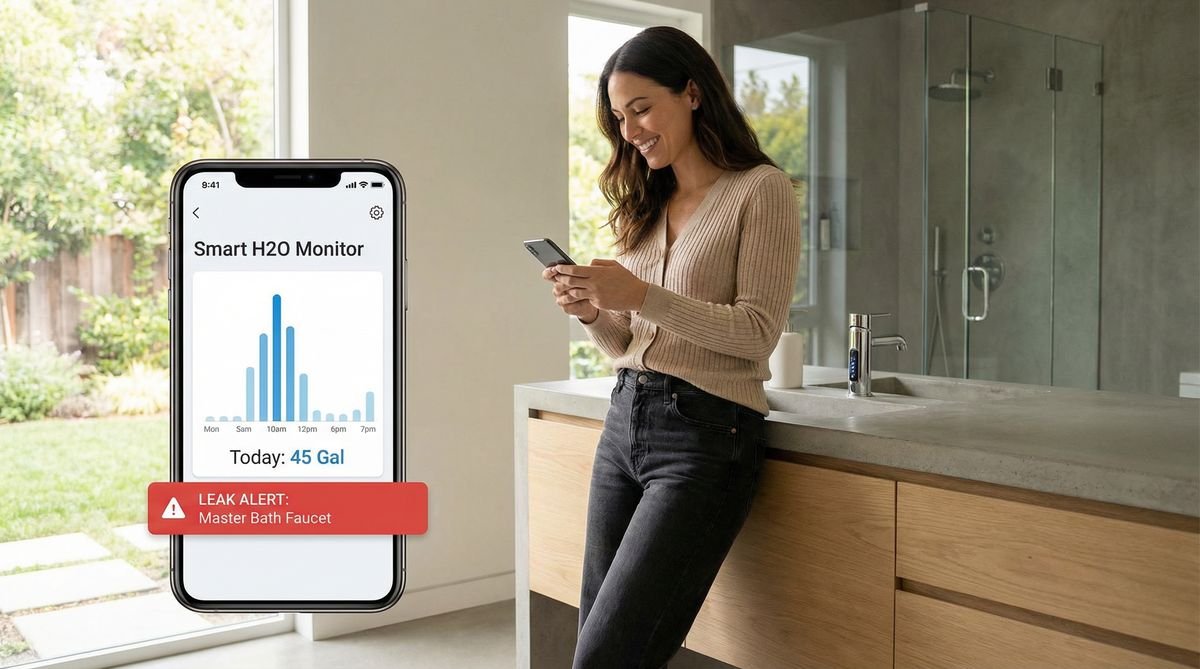
The integration of smart technology into home water management marks a pivotal shift towards a more informed, efficient, and sustainable approach to resource consumption. From the immediate financial relief of preventing costly leaks to the long-term environmental benefits of conscious conservation, smart water monitoring systems offer a comprehensive solution for the modern homeowner. By demystifying water usage and providing actionable insights, these technologies empower us to take control, protect our properties, and contribute to a greener future. Embracing smart water tech is not just about upgrading your home; it’s about upgrading your relationship with water, ensuring its responsible use for generations to come. It’s a smart step towards a more resilient and eco-friendly household.
