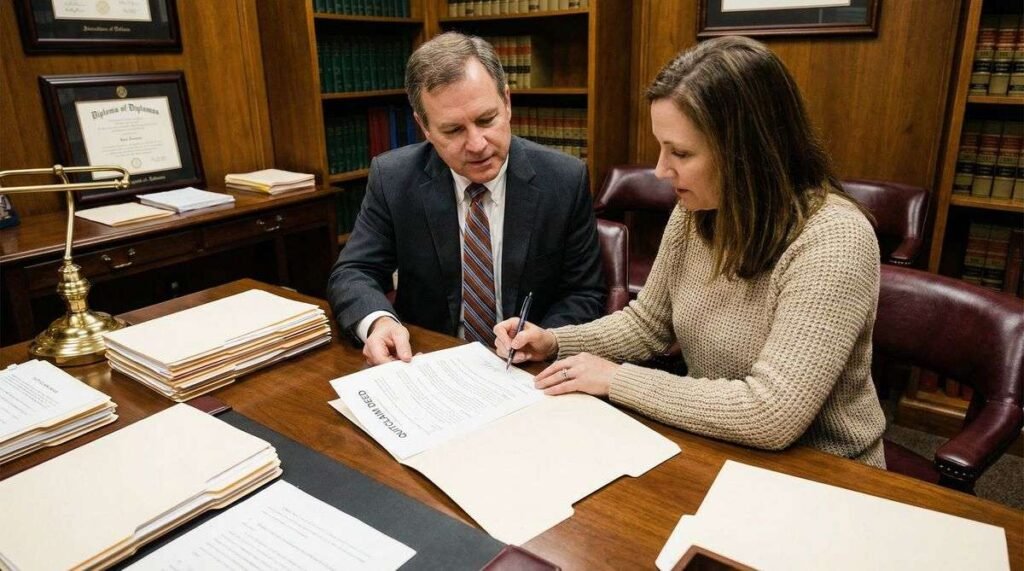
Navigating the world of real estate transactions can often feel like learning a new language, with a lexicon of deeds, titles, and legal jargon to decipher. Among various property transfer methods, the quitclaim deed stands out as a frequently mentioned but often misunderstood tool. While it offers a straightforward path for transferring property, its simplicity belies a complex set of considerations that every property owner, buyer, and seller should understand. This guide will demystify this specific type of property transfer document, exploring its definition, applications, and the critical distinctions that set it apart from other transfer documents.
What Exactly is a Quitclaim Deed?
This legal instrument is used to transfer any ownership interest a grantor may have in a property to a grantee, without guaranteeing the validity or extent of that interest. It’s often chosen for its simplicity and speed, primarily in situations where trust exists between parties or when correcting minor title defects. Unlike other deeds, this type of document makes no promises about the property’s title. The grantor is simply “quitting their claim” to the property and transferring whatever interest they may have—if any—to the grantee. This means the grantee receives only what the grantor legally owns, and if the grantor has no interest, the grantee gets nothing. Jambi Property Management notes that the lack of warranty is a key feature that defines the character and appropriate use of this transfer document.
Quitclaim Deeds vs. Warranty Deeds: A Crucial Distinction
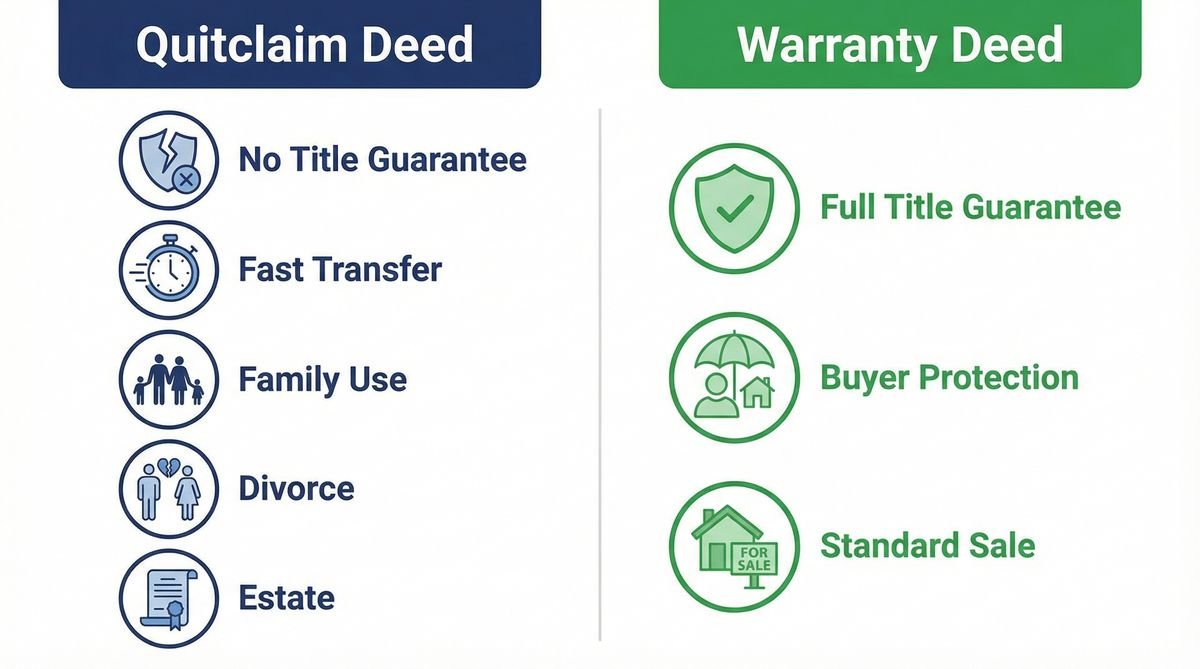
The fundamental difference between a quitclaim deed and a warranty deed lies in the level of protection offered to the grantee. While the former transfers only the grantor’s existing interest without guarantees, a warranty deed provides assurances about the property’s clear title and the grantor’s right to sell.
General Warranty Deeds
A general warranty deed offers the highest level of protection for the grantee. It includes covenants, or guarantees, from the grantor that they hold clear title to the property and have the right to sell it. This type of deed protects the grantee from any past, present, or future claims and liens on the property.
Special Warranty Deeds
A special warranty deed provides a more limited scope of protection. The grantor guarantees that they have not caused any title defects during their ownership. However, this deed does not protect the grantee from claims that may have arisen before the grantor owned the property.
| Deed Type | Benefit | Risk Level | Processing Time | Best For |
|---|---|---|---|---|
| Quitclaim Deed | Speed and simplicity | High | Fast (requires signature and notarization) | Trusted parties (family, spouses, name changes) |
| General Warranty Deed | Comprehensive protection and legal certainty | Low | Slower (professional title search and insurance) | Traditional real estate sales between strangers |
| Special Warranty Deed | Moderate protection against recent defects | Medium | Moderate (may involve a limited title search) | Commercial real estate transactions |
When to Use a Quitclaim Deed
These deeds are best suited for property transfers between trusted parties, such as family members, or for specific legal purposes like correcting title errors or transferring property into a trust. They are ideal when the grantee is confident in the grantor’s ownership and the property’s title history.
Family Transfers and Gifts
These deeds are commonly used to transfer property between family members, such as from parents to children or between siblings. In these situations, the grantee typically trusts the grantor and is less concerned about title issues.
Divorce Settlements
In a divorce, this type of deed is often used to transfer one spouse’s interest in the marital home to the other. This is a relatively simple way to handle the division of property.
Adding or Removing a Spouse from a Title
If a property owner gets married and wants to add their spouse to the title, a quitclaim deed is an easy way to do so. Similarly, it can be used to remove a spouse’s name from the title after a divorce.
Transferring Property to a Trust or LLC
Individuals often use these deeds to transfer their property into a living trust as part of their estate plan. This can help to avoid probate. Business owners may also use a quitclaim deed to transfer real estate into a limited liability company (LLC).
Correcting Title Defects (Clouds on Title)
Minor errors on a property’s title, such as a misspelled name or an incorrect legal description, can create a “cloud” on the title. This deed can be used to correct these defects and clear the title.
When Not to Use a Quitclaim Deed: Understanding the Risks
This type of deed is generally unsuitable for traditional real estate sales between unfamiliar parties due to its lack of title guarantees. Using it in such scenarios exposes the grantee to significant risks, including inheriting undisclosed liens, ownership disputes, or other title defects without legal recourse against the grantor.
Traditional Property Sales
In a typical arm’s-length transaction where the buyer and seller do not have a pre-existing relationship, this deed is rarely appropriate. The buyer needs the protection of a warranty deed to ensure they are receiving a clear and marketable title.
Undisclosed Liens and Encumbrances
This deed does not protect the grantee from any liens or other encumbrances on the property. If there are outstanding debts, such as a mortgage, tax lien, or judgment lien, the grantee will be responsible for them.
Lack of Title Insurance Eligibility
Title insurance companies are often unwilling to issue policies for properties transferred via a quitclaim deed. This is because the lack of warranties makes it a riskier proposition. Without title insurance, the grantee is left with no protection against title defects.
Mortgage Implications (Due-on-Sale Clauses)
Most mortgages contain a “due-on-sale” clause, which requires the loan to be paid in full if the property is sold or transferred. Using a quitclaim deed to transfer a property with an existing mortgage can trigger this clause, forcing the new owner to refinance or risk foreclosure.
How to File a Quitclaim Deed
Filing this type of deed involves preparing the document with accurate property and party details, ensuring proper signing and notarization, and then recording it with the local county recorder’s office. Adhering to state-specific requirements is crucial for its legal validity and to make the transfer official.
Preparing the Document
The document must include the names of the grantor and grantee, a legal description of the property, and the date of the transfer. It is essential to ensure that all information is accurate and complete.
Signing and Notarization Requirements
The grantor must sign this deed in the presence of a notary public. In some states, witnesses may also be required. The grantee does not typically need to sign the document.
Recording the Deed
Once the deed is signed and notarized, it must be filed with the county recorder’s office in the county where the property is located. This makes the transfer a matter of public record and officially completes the process.
Common Misconceptions About Quitclaim Deeds
Many misunderstandings surround these deeds, particularly regarding their ability to eliminate mortgage obligations or guarantee clear title. It’s crucial to recognize that these documents only transfer existing interest and do not absolve grantors of financial liabilities or protect grantees from unknown property issues.
It Removes You from the Mortgage
A common misconception is that a quitclaim removes the grantor’s name from the mortgage. This is false. This deed only transfers ownership of the property; it does not affect the mortgage. The grantor remains legally responsible for the loan unless they are released from the mortgage by the lender.
It Guarantees Clear Title
Another misconception is that a quitclaim guarantees a clear title. In reality, this deed provides no warranties or guarantees about the title. The grantee receives only the interest that the grantor has, if any.
It’s Always the Easiest Option
While a quitclaim is a simple document, it is not always the easiest or best option. In many cases, a warranty deed is a more appropriate choice, as it provides greater protection for the grantee.
Frequently Asked Questions About Quitclaim Deeds
This section addresses common inquiries about these deeds, clarifying aspects such as their impact on mortgages, the necessity of legal counsel, and the circumstances under which they can be challenged. Understanding these FAQs helps individuals make informed decisions regarding property transfers.
Can a quitclaim deed be challenged or nullified?
Yes, this type of deed can be challenged in court, but only under specific circumstances. A deed may be nullified if it was signed under duress, if the grantor was not of sound mind, or if there was fraud involved in the transaction.
Do I need a lawyer to prepare a quitclaim deed?
While it is possible to prepare such a deed without a lawyer, it is highly recommended to seek legal advice. A real estate attorney can ensure that the document is prepared and executed correctly and that it is the appropriate choice for your situation.
What are the tax implications of a quitclaim deed?
The tax implications of this deed can be complex and vary depending on the specific circumstances. A transfer may be subject to gift tax, and there may be capital gains tax implications for the grantee when they eventually sell the property. It is advisable to consult with a tax professional.
How soon does a quitclaim deed transfer ownership?
Ownership is transferred as soon as the document is signed, notarized, and delivered to the grantee. However, it is crucial to record the deed with the county recorder’s office to protect the grantee’s ownership rights.
Conclusion: Making Informed Decisions About Property Transfers
These deeds serve as a valuable tool for specific property transfers, offering simplicity and speed, particularly between trusted parties. However, their inherent lack of title guarantees necessitates careful consideration and understanding of their limitations. Consulting legal professionals ensures that the chosen document aligns with individual needs and provides adequate protection.
Ultimately, the decision to use this type of deed should not be taken lightly. By understanding its function, benefits, and risks, individuals can make informed choices that safeguard their interests and ensure a smooth and legally sound property transfer. Whether you are gifting property to a loved one, settling a divorce, or managing your estate, a clear comprehension of such documents is an invaluable asset.
- Cornell Law School Legal Information Institute. Quitclaim Deed.
