The refreshing warmth of a hot shower is often accompanied by an unwelcome guest: a fogged-up bathroom mirror. This common household nuisance is more than just an inconvenience; it disrupts morning routines, delays grooming, and can even be a source of frustration. The phenomenon itself is a simple act of physics – warm, moist air from your shower comes into contact with the cooler surface of your mirror, causing water vapor to condense into tiny droplets, obscuring your reflection. While seemingly trivial, the quest for a consistently clear mirror has led to a variety of innovative and practical solutions, ranging from simple DIY tricks to advanced technological installations. This comprehensive guide will delve into the science behind mirror fogging and explore a spectrum of effective strategies to ensure your bathroom mirror remains crystal clear, allowing you to start your day without delay, notes JGE Property Management team.
Understanding the Science of Mirror Fogging
At its core, mirror fogging is a direct result of condensation, a fundamental process in thermodynamics. When you take a hot shower, the water heats up, creating steam, which is essentially water vapor. This warm, moisture-laden air then circulates throughout the bathroom. When this humid air encounters a surface that is significantly cooler than itself, such as a bathroom mirror, the water vapor loses energy, cools down, and transitions from a gaseous state back into a liquid state. These microscopic liquid water droplets adhere to the mirror’s surface, scattering light and creating the opaque, foggy appearance we are all too familiar with. The degree of fogging is directly proportional to the temperature difference between the air and the mirror, as well as the concentration of water vapor in the air.
Several factors contribute to the intensity and persistence of mirror fogging. The most obvious is the temperature of your shower; hotter showers produce more steam and thus more humidity. Equally important is the ambient temperature of your bathroom. A colder bathroom will result in a greater temperature differential between the air and the mirror, exacerbating condensation. Furthermore, the effectiveness of your bathroom’s ventilation system plays a critical role. A poorly ventilated bathroom allows humid air to linger, increasing the likelihood and duration of mirror fogging. Even the material and thickness of the mirror can subtly influence how quickly it cools down and, consequently, how prone it is to fogging. Understanding these underlying principles is the first step toward implementing effective anti-fogging solutions.
Advanced Anti-Fog Solutions for Lasting Clarity
For those seeking a more permanent and effortless solution to mirror fogging, several advanced technologies offer superior performance. One highly effective option is the installation of heated mirrors or mirror demisters. These systems work by gently warming the mirror’s surface to a temperature just above the dew point of the bathroom air. This slight increase in temperature prevents water vapor from condensing, ensuring the mirror remains clear throughout and after your shower. Demister pads, which are thin, self-adhesive heating elements, can be easily installed behind existing mirrors. The cost for a quality demister pad typically ranges from $50 to $200, with professional installation adding another $100 to $300. While there’s a minor increase in electricity consumption, modern demisters are energy-efficient, often consuming less than 0.1 kWh per hour, which translates to just a few cents per use.
Another popular and relatively straightforward advanced solution involves applying anti-fog films. These films are typically made from specialized plastics coated with hydrophilic (water-attracting) polymers. Instead of allowing water droplets to form and scatter light, these coatings cause water to spread out evenly into a thin, transparent layer, maintaining clarity. Anti-fog films are usually self-adhesive and can be cut to fit any mirror size. The cost for these films varies depending on size and quality, generally ranging from $10 to $50 per film. Their effectiveness can last anywhere from 1 to 3 years, depending on the product and bathroom conditions, making them a cost-effective, semi-permanent solution. Application is a DIY-friendly task, requiring careful cleaning and precise placement to avoid bubbles.
For the ultimate in fog prevention, some manufacturers offer professionally treated mirrors with factory-applied anti-fog coatings. These mirrors are engineered with advanced surface technologies that permanently alter the mirror’s properties to resist condensation. Unlike films or sprays, these coatings are integrated into the mirror’s surface during manufacturing, offering exceptional durability and longevity, often lasting the lifetime of the mirror itself. While the initial investment for such mirrors is higher, potentially 20% to 50% more than standard mirrors, they eliminate the need for ongoing maintenance or reapplication of anti-fog treatments. This option is particularly appealing for new bathroom constructions or major renovations where long-term, hassle-free performance is a priority.
Enhancing Bathroom Ventilation for Humidity Control
One of the most fundamental and effective strategies for combating mirror fogging is to address the root cause: excessive humidity. Improving your bathroom’s ventilation system is paramount in this regard. An adequately sized and properly functioning exhaust fan is crucial for rapidly removing moist, warm air from the bathroom, preventing it from condensing on cooler surfaces like mirrors. For optimal performance, experts recommend an exhaust fan with a CFM (Cubic Feet per Minute) rating that matches or exceeds the square footage of your bathroom. For instance, a 50 sq ft bathroom typically requires a 50 CFM fan. Running the fan during your shower and for at least 15-20 minutes afterward can reduce humidity levels by as much as 70-80%, significantly mitigating fogging.
Beyond the exhaust fan, consider other aspects of your bathroom’s airflow. Ensuring that bathroom doors are slightly ajar or that there’s a gap beneath the door can facilitate better air circulation. If your bathroom has a window, opening it slightly during and after a shower can also help vent humid air, especially in conjunction with an exhaust fan. For bathrooms without windows or effective exhaust systems, a portable dehumidifier can be a viable, albeit less integrated, solution. These devices actively remove moisture from the air, reducing overall humidity. While a good quality dehumidifier can cost between $150 and $300, it offers the flexibility of being moved to other humid areas of the home, providing a versatile approach to moisture control.
DIY Solutions: Quick Fixes and Household Hacks
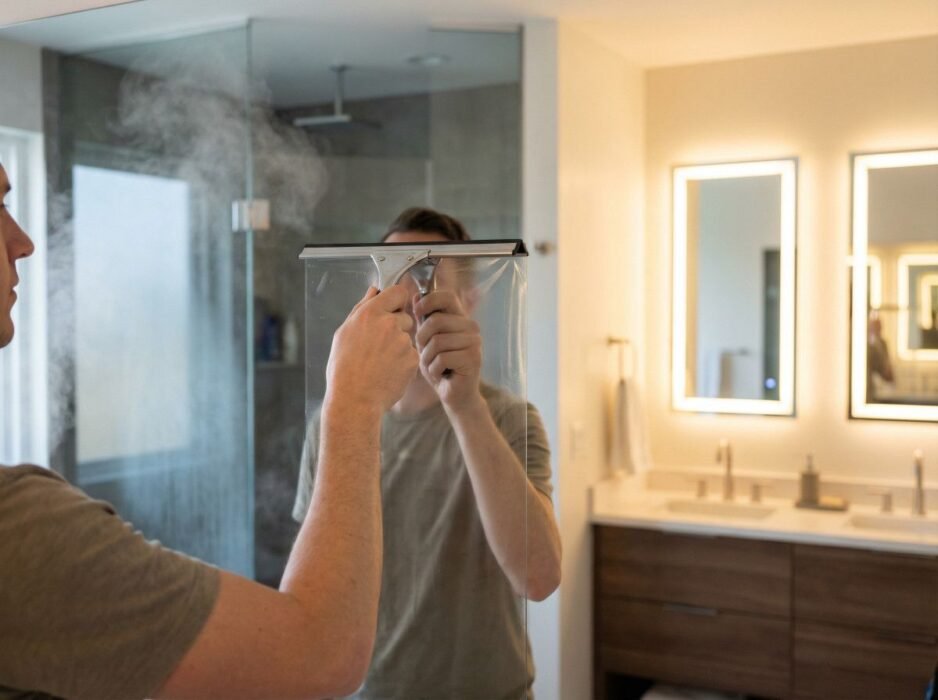
For those seeking immediate and inexpensive solutions, several DIY methods can temporarily prevent mirror fogging. One of the most widely cited and effective household hacks involves applying a thin layer of shaving cream to the mirror’s surface. The surfactants in shaving cream create a temporary barrier that prevents water droplets from forming. To apply, simply spread a small amount of shaving cream over the mirror, let it sit for a minute, and then wipe it off thoroughly with a clean, dry cloth or paper towel until the mirror is clear. This treatment can keep your mirror fog-free for several days, sometimes even up to a week, depending on usage. The cost is negligible, as most households already have shaving cream on hand.
Similarly, dish soap can be used to achieve a comparable anti-fog effect. Like shaving cream, dish soap contains surfactants that disrupt the surface tension of water, causing it to sheet rather than bead up. Apply a small drop of liquid dish soap to a clean cloth and rub it evenly over the mirror’s surface. Then, buff it off completely with a separate clean, dry cloth until no streaks remain. This method is also very low cost and can provide fog protection for a few days. It’s important to use a minimal amount of soap and ensure thorough buffing to avoid leaving a hazy residue that could impair visibility. Both shaving cream and dish soap offer quick, accessible solutions without requiring specialized products or tools.
Another simple DIY approach involves using a hair dryer. While not a preventative measure, a hair dryer can quickly clear a fogged mirror by warming its surface. Simply direct the warm air from the hair dryer towards the mirror for a few seconds, and the fog will dissipate almost instantly. This method is convenient for quick touch-ups but is not a long-term solution. Additionally, some people find success with white vinegar and water solutions. A mixture of equal parts white vinegar and water, sprayed onto the mirror and wiped clean, can help reduce fogging by removing residues that might encourage condensation. While these DIY methods are temporary, they offer practical and budget-friendly ways to manage mirror fogging in a pinch.
Comparing Anti-Fogging Solutions: Cost vs. Effectiveness
Choosing the right anti-fogging solution depends on your budget, desired permanence, and willingness to engage in maintenance. Below is a comparison of common methods based on their approximate cost and effectiveness, helping you make an informed decision for your bathroom.
| Solution Type | Initial Cost (Approx.) | Effectiveness | Longevity/Maintenance | Installation Complexity | Energy Consumption | Verdict |
|---|---|---|---|---|---|---|
| Heated Mirror/Demister Pad | $50 – $500 | Excellent (100% fog-free) | Permanent once installed | Moderate (electrical wiring) | Low (minimal electricity) | Best long-term, hands-off solution. |
| Anti-Fog Film | $10 – $50 | Very Good (90-95% fog-free) | 1-3 years, then reapply | Low (DIY application) | None | Cost-effective, semi-permanent DIY option. |
| Professionally Treated Mirror | $200 – $1000+ | Excellent (100% fog-free) | Lifetime of the mirror | Professional installation | None | Premium, integrated solution for new builds. |
| Improved Ventilation (Fan) | $100 – $400 | Good (reduces fog by 70-80%) | Permanent once installed | Moderate (electrical wiring) | Low (fan electricity) | Essential for overall bathroom health, aids fogging. |
| Shaving Cream/Dish Soap | $0 – $5 | Moderate (60-75% fog-free) | Few days, then reapply | Very Low (DIY wipe-on) | None | Quick, temporary, and very cheap fix. |
| Anti-Fog Spray | $5 – $20 | Moderate (60-80% fog-free) | Few days to weeks, then reapply | Very Low (DIY spray-on) | None | Similar to soap, slightly more convenient. |
The verdict is clear: for a truly hands-off, permanent solution, investing in a heated mirror or demister pad offers the best performance and convenience. These systems effectively eliminate fogging without any daily effort. If budget is a primary concern and you’re comfortable with occasional reapplication, anti-fog films provide excellent value and performance. For those undertaking a full bathroom renovation, a professionally treated mirror is a worthwhile upgrade for seamless integration and lifelong clarity. Regardless of your choice, ensuring adequate bathroom ventilation is a foundational step that complements any anti-fogging strategy, improving not only mirror clarity but also overall bathroom air quality and preventing mold growth.
Frequently Asked Questions About Mirror Fogging
Why does my bathroom mirror fog up so easily?
Your bathroom mirror fogs up due to condensation. When warm, moist air from your shower comes into contact with the cooler surface of the mirror, the water vapor in the air cools down and turns into tiny liquid droplets. These droplets scatter light, making the mirror appear cloudy or foggy. The greater the temperature difference between the air and the mirror, and the higher the humidity, the more pronounced the fogging will be.
Are anti-fog sprays effective, and how long do they last?
Anti-fog sprays can be effective for temporary relief from mirror fogging. They work by creating a thin, transparent layer on the mirror’s surface that prevents water droplets from forming. However, their longevity varies significantly. Most anti-fog sprays need to be reapplied every few days to a few weeks, depending on the product’s formulation and how frequently the bathroom is used. They are a good short-term solution but require regular maintenance.
Can improving ventilation really stop mirror fogging completely?
Improving ventilation is a crucial step in preventing mirror fogging, but it may not stop it completely on its own, especially with very hot showers or in very cold bathrooms. An efficient exhaust fan removes humid air, reducing the amount of moisture available to condense on the mirror. While it can significantly reduce fogging by 70-80%, a small amount of condensation might still occur. For complete fog elimination, ventilation is best combined with other solutions like heated mirrors or anti-fog films.
Is it safe to use household products like shaving cream or dish soap on my mirror?
Yes, it is generally safe to use small amounts of shaving cream or liquid dish soap as temporary anti-fog solutions. These products contain surfactants that create a thin, invisible film, causing water to sheet rather than bead up. It’s important to apply a very thin layer and buff it off completely with a clean, dry cloth to avoid streaks or residue. While effective, these are temporary fixes and require reapplication every few days. Avoid abrasive cleaners or harsh chemicals.
What is the most permanent solution to prevent mirror fogging?
The most permanent and maintenance-free solutions for preventing mirror fogging are professionally treated mirrors with factory-applied anti-fog coatings or the installation of a heated mirror/demister pad. Professionally treated mirrors have integrated coatings that last the lifetime of the mirror. Heated mirrors or demister pads actively warm the mirror’s surface, preventing condensation entirely. Both options offer consistent clarity without any daily effort, making them ideal for long-term effectiveness.
Conclusion
The battle against the fogged-up bathroom mirror is a common one, but as we’ve explored, there’s a diverse arsenal of solutions available to achieve lasting clarity. From understanding the basic science of condensation to implementing advanced technologies and simple DIY hacks, the path to a consistently clear reflection is well within reach. While temporary fixes like shaving cream or anti-fog sprays offer immediate relief at minimal cost, their effectiveness is short-lived, requiring frequent reapplication. For those seeking a more enduring and hands-off approach, investing in a heated mirror or a high-quality anti-fog film provides superior performance and convenience, often lasting for years.
Ultimately, the best solution for you will depend on your budget, desired level of permanence, and willingness to engage in maintenance. However, one foundational truth remains: improving your bathroom’s ventilation is a critical first step that complements any anti-fogging strategy. An efficient exhaust fan not only reduces mirror fogging but also contributes to a healthier bathroom environment by mitigating mold and mildew growth. By carefully considering the options presented, you can transform your daily routine, ensuring your bathroom mirror remains a clear window to your reflection, rather than an opaque barrier of steam.
