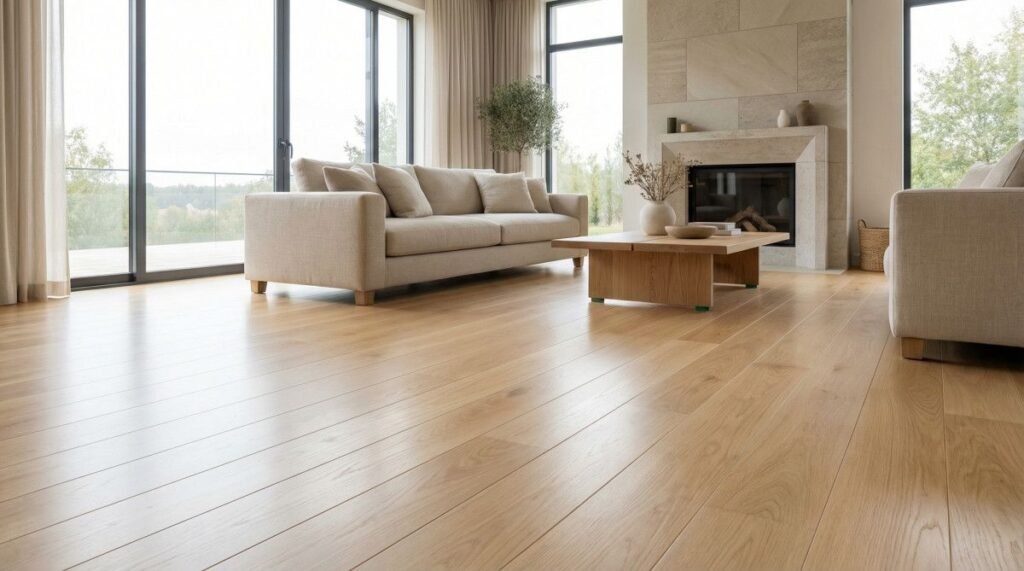
Preventing hardwood floors from scratching requires a combination of protective barriers, regular maintenance, and mindful lifestyle habits. Homeowners should install high-quality felt pads under all furniture legs, maintain a strict no-shoes policy indoors, and keep pet nails trimmed to a safe length. Consistent sweeping or vacuuming to remove abrasive grit is essential for long-term surface preservation, say SGI Property Management Phoenix professionals.
Utilizing Furniture Pads and Protective Barriers
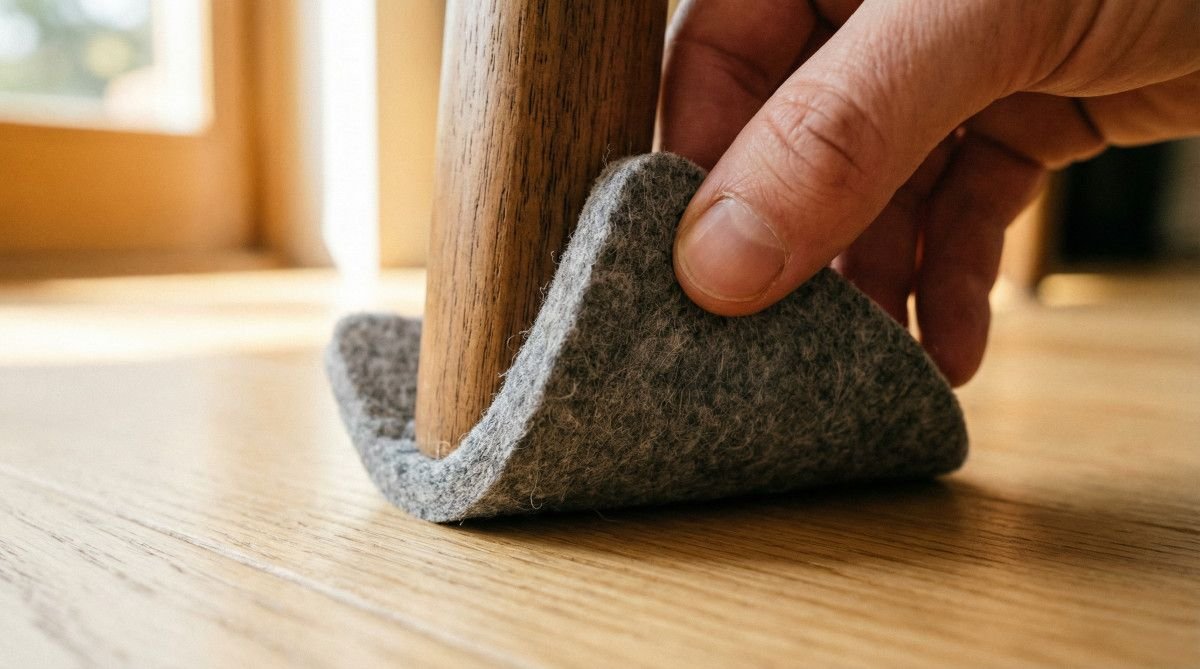
Furniture pads provide a critical buffer between heavy wooden or metal legs and the delicate finish of hardwood flooring. These small, inexpensive accessories absorb the pressure of daily movement and prevent deep gouges or surface scuffs when chairs are pulled out or sofas are shifted. Selecting the right material for these pads ensures they remain effective without sliding or detaching over time.
Heavy furniture pieces like dining tables and armoires exert significant downward force that can indent wood fibers. Using wide-base caster cups or thick felt discs distributes this weight more evenly across the floor surface. It is important to inspect these pads every few months, as they can collect dust and grit, which eventually turns the pad itself into an abrasive surface.
When moving large items, never drag them across the floor even if they have pads attached. Instead, use specialized furniture sliders or lift the items completely to avoid catching a stray piece of debris under a leg. This proactive approach minimizes the risk of long, unsightly scratches that often occur during room redecorating or deep cleaning sessions.
| Pad Material | Best Use Case | Durability | Floor Safety |
|---|---|---|---|
| Heavy-Duty Felt | Chairs, tables, and frequently moved items | High | Excellent |
| Rubber/Silicone | Stationary sofas and heavy cabinets | Medium | Good (if non-staining) |
| Plastic Glides | Carpeted surfaces only | Low | Poor (causes scratches) |
Strategic Placement of Area Rugs and Mats
Area rugs and walk-off mats serve as the first line of defense against abrasive particles that enter the home from the outdoors. Placing large mats at every entryway encourages guests to wipe their feet, trapping sand, salt, and dirt before they reach the hardwood. High-traffic zones like hallways and kitchens benefit most from long runners that shield the wood from constant friction.
The material of the rug backing is just as important as the rug itself for floor health. Many inexpensive rugs feature rough latex or rubber backings that can chemically react with floor finishes or trap moisture, leading to discoloration. Homeowners should opt for breathable rug pads made of felt or natural rubber to ensure the wood remains dry and scratch-free.
Rugs also provide a safe play area for children and pets, who might otherwise cause accidental damage with toys or claws. By covering the most vulnerable sections of the floor, you significantly reduce the total surface area exposed to daily wear. Regularly cleaning the underside of these rugs prevents fine dust from accumulating and acting like sandpaper against the finish.
Managing Pet Activity and Nail Care
Pet claws are a primary source of surface scratches in homes with dogs or cats, especially during high-energy play or running. Keeping nails trimmed so they do not click against the floor when the animal walks is the most effective way to prevent gouging. Regular grooming appointments or at-home filing can maintain a smooth edge on the nails, reducing their impact.
In addition to trimming, placing rugs in areas where pets typically accelerate or turn corners can prevent “burnout” marks from claws seeking traction. Some pet owners find success with soft indoor booties or nail caps, which provide a cushioned barrier for active animals. These solutions are particularly helpful for larger breeds whose weight increases the pressure exerted by each step.
Training pets to stay off certain high-value flooring areas or providing them with dedicated soft beds can also limit floor contact. Keeping the pet’s paws clean after outdoor walks prevents them from tracking in pebbles or grit that could get caught between their toes. This simple habit protects the floor from both scratches and moisture-related damage over time.
Establishing Proper Cleaning and Maintenance Routines
Effective cleaning routines focus on the removal of fine grit and sand, which are the most common causes of dulling and micro-scratching. Sweeping with a soft-bristled broom or using a microfiber dust mop daily keeps the surface clear of abrasive particles. This prevents the “sandpaper effect” that occurs when people walk over dirty floors, grinding debris into the finish.
Vacuuming is also highly effective, provided the machine is set to the “hard floor” mode to disengage the beater bar. A rotating brush designed for carpets can easily scratch hardwood or leave swirl marks in the polyurethane coating. Using a vacuum with soft wheels and a felt-lined floor tool ensures that the cleaning process itself does not introduce new damage to the wood.
Avoid using harsh chemicals or excessive water when mopping, as moisture can cause wood to swell and become more susceptible to surface damage. A slightly damp microfiber mop with a pH-neutral cleaner specifically formulated for hardwood is the safest choice. Maintaining a clean floor not only preserves its beauty but also extends the life of the protective topcoat.
Controlling Indoor Environment and Footwear
Indoor environmental conditions and footwear choices play a significant role in the long-term durability of hardwood floor finishes. Implementing a strict no-shoes policy is one of the most effective ways to eliminate the introduction of outdoor contaminants and sharp objects. High heels and athletic cleats are particularly damaging, as they concentrate immense pressure on tiny surface areas.
Humidity control is another vital factor, as wood naturally expands and contracts with changes in moisture levels. During dry winter months, wood can shrink, creating gaps where grit can accumulate; in humid summers, it may swell and become softer. Maintaining a consistent indoor humidity level between 35% and 55% keeps the wood stable and less prone to physical damage.
Providing a dedicated shoe rack or bench near the entrance makes it easier for residents and guests to comply with floor protection rules. Offering soft-soled slippers can provide comfort while ensuring that no hard soles or trapped pebbles touch the wood. These small lifestyle adjustments create a culture of care that significantly reduces the frequency of accidental scratches and scuffs.
Frequently Asked Questions
How often should I trim my dog’s nails to protect floors?
Dog nails should typically be trimmed every two to four weeks to prevent them from making contact with the hardwood surface. A good rule of thumb is that if you can hear a clicking sound when the dog walks on the floor, the nails are too long. Regular maintenance ensures the nails remain blunt and less likely to gouge the wood finish.
Are rubber-backed rugs safe for hardwood flooring?
Most standard rubber or latex-backed rugs are not recommended for hardwood floors because they can trap moisture and gases. This often leads to a chemical reaction that discolors the floor finish or leaves a sticky residue that is difficult to remove. Instead, use high-quality rug pads made of felt or 100% natural rubber which are specifically labeled as floor-safe.
Can high heels damage hardwood floors?
High heels, especially stiletto types, can exert upwards of 2,000 pounds of pressure per square inch, which is enough to dent even the hardest wood species. Even if the heel is in good condition, the concentrated force can leave deep pockmarks in the wood. It is best to remove all outdoor footwear, particularly heels and cleats, before walking on hardwood surfaces.
What is the best finish for scratch resistance?
Water-based polyurethane finishes with aluminum oxide additives are generally considered the most scratch-resistant options for modern hardwood floors. These finishes create a very hard, durable topcoat that can withstand significant foot traffic and minor abrasions. For a more traditional look, oil-based polyurethanes also offer excellent protection but may take longer to cure and have a stronger odor during application.
Do felt pads need to be replaced?
Felt pads should be inspected every three to six months and replaced whenever they become thin, flattened, or dirty. Over time, these pads can collect hair, dust, and grit, which can eventually scratch the floor if the pad is not changed. Keeping a fresh set of pads on all frequently moved furniture is a low-cost way to ensure continuous protection.
Maintaining the pristine appearance of hardwood floors is an ongoing process that rewards consistency and attention to detail. By combining physical barriers like felt pads and rugs with disciplined cleaning and footwear habits, homeowners can enjoy the warmth of wood for decades. These simple preventative measures are far more cost-effective than the professional sanding and refinishing required to repair deep structural damage.
