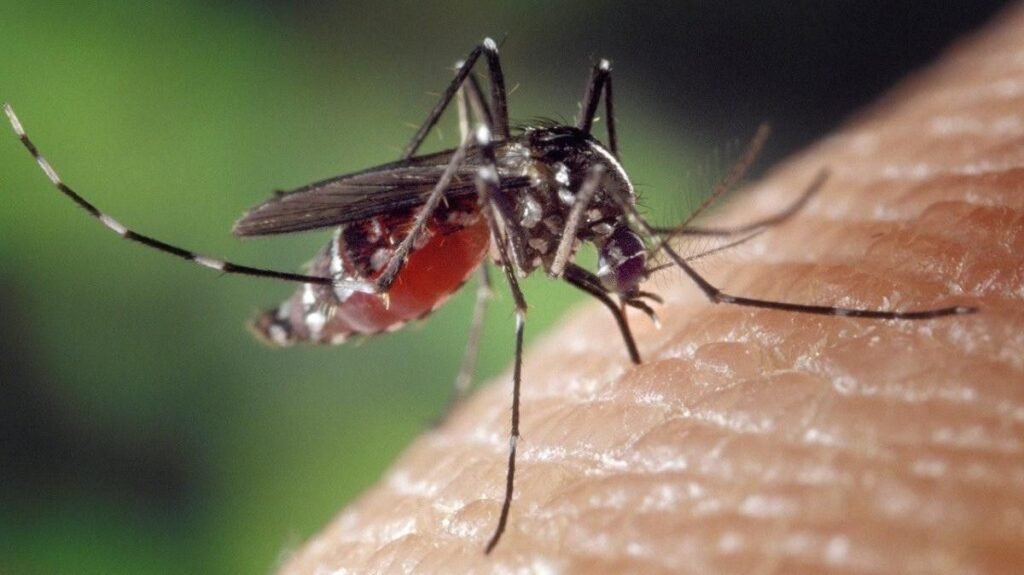
On mosquitoes how to get rid of them, the answer starts with standing water, because mosquitoes breed in it and lay their eggs at its edge. Empty or scrub the water they need and you cut the population at the source, an approach health agencies rank above every spray and gadget. A weekly routine of dumping and cleaning breeding spots stops new mosquitoes from ever hatching, which beats killing a few adults and letting the next generation arrive on schedule.
Below is the standing-water method first, then how to use a larvicide bait, and the honest limits of sprays and traps.
Start With the Water, Not the Spray
According to Blue Chip Property Managers team, mosquitoes cannot breed without standing water, so the most effective single step is removing it. The U.S. Centers for Disease Control and Prevention puts this at the center of home mosquito control: once a week, empty and scrub, turn over, cover, or throw out anything that holds water, since mosquitoes lay eggs near the waterline. Work through the whole yard and you quietly remove an entire generation of mosquitoes before they take wing.
The places to check are more numerous than people expect. Tires, buckets, planters, flowerpot saucers, toys, and trash containers are the obvious ones, joined by birdbaths, kiddie pools, pet dishes, and wading pools. Tree holes and clogged gutters hold water too, as does anything under a tarp or on a flat roof. The discipline matters as much as the search: dump a saucer without scrubbing it and you leave the eggs behind to hatch, so the CDC’s mosquito control guidance calls for emptying and scrubbing, not just pouring it out.
The Weekly Breeding-Check Routine
Set a fixed day and walk the yard with the same list, and the check takes ten minutes. Empty and scrub every container that caught water, flipping anything you cannot drain. Change birdbath and pet water weekly, since a week is about all it takes for eggs to mature. Drain kiddie pools when not in use and store them flipped. Cover rain barrels tightly or screen them so no mosquito reaches the water, and fill or drain tree holes and low spots that hold rain. Remove standing water from tarps, gutters, and around faucets and air-conditioner units, and fix any drip that leaves a puddle for more than a few days.
Consistency is what works, because skipping a week lets eggs hatch into a fresh swarm. Tie the check to a recurring task, same time each week, and the population never gets a foothold, which is how a yard stops producing mosquitoes instead of just repelling them.
Larvicide for Water You Cannot Drain
For water that genuinely cannot be emptied, like an ornamental pool, a rain barrel, or a roof gutter that will not clear, use a larvicide instead of a mosquito-killing spray. A dunk or granule containing Bacillus thuringiensis israelensis, or Bti, a naturally occurring bacterium, kills mosquitoes in the larval stage once they hatch, and it is targeted, leaving birds, bees, and other insects alone. A dunk drops into the water and works for weeks, renewing your protection without draining anything.
One clever and effective DIY is the “bucket of doom,” which turns the breeding problem into a trap. Fill a five-gallon bucket halfway with water, add a few handfuls of leaf litter or straw, let it sit a couple of days to ferment, and drop in a Bti dunk. Female mosquitoes find the stew irresistible and lay their eggs, and the hatchlings die in the water. It is cheap, safe around pets and wildlife, and removes mosquitoes without spraying the whole yard, a practical trick from mosquito control guidance and field reports.
What Sprays and Traps Really Do
Sprays and gadgets sell relief, but their results are worth an honest look. A mosquito spray kills the adults it reaches, yet the American Mosquito Control Association notes space sprays are most effective indoors and disperse quickly outdoors, killing few adults, and no pesticide is completely safe, so it is not an everyday answer.
Several broad-yard sprays also take a heavy toll on beneficial insects, with an entomologist pointing out that they kill only a fraction of adult mosquitoes while bees, butterflies, and lightning bugs become collateral, which is why targeting larvae beats spraying adults.
Bug zappers and marketed mosquito traps have limited, sometimes inconsistent, evidence of effectiveness, so research a device carefully before spending on it. The reliable barriers are simpler: keep windows and doors screened with a fine mesh, close doors and run the air conditioner indoors, and cut weeds and tall grass where adults rest, so there are fewer places for mosquitoes to shelter near your skin.
Indoors vs the Backyard
The two fronts need different moves. Indoors, mosquitoes get in through gaps, so fix and use screens, keep doors closed, and run the air conditioner, which keeps the air too cool and dry for them. Empty and scrub any indoor water sources weekly, vases and plant saucers included, and a spray is only a last step after the screens and drains are handled, since spraying alone will not keep a home free. Outdoors, the backyard fight is the standing-water routine plus vegetation management, mowing and trimming so adults have nowhere to rest, and a larvicide for any water that stands.
Myths: Smells, Enemies, and Dish Soap
Three popular ideas about mosquitoes deserve a straight answer. No smell reliably gets rid of mosquitoes; essential-oil and citronella claims are not a proven way to clear a yard, so do not rely on a scent in place of removing water. There is no single “worst enemy” beyond the mosquito’s own need for water, since natural predators like dragonflies and mosquito-eating fish help but do not alone control a population. And Dawn dish soap does not get rid of mosquitoes; it can break the surface tension of standing water and trap some larvae, but it is not a dependable control, so the real fix remains draining and treating the water.
When to Call for Help
If a large wetland, a persistent swarm, or an area you cannot drain is the problem, individual effort has limits. Many communities run organized mosquito-control programs that treat breeding areas and can handle what one yard cannot, with some 700-plus agencies operating across the country.
Contact your local health or public-works office to find yours, and consider a licensed pest-control professional for a yard you cannot manage alone. Source control stays the job at home, and the community program covers what reaches beyond it.
Mosquitoes How to Get Rid of Them: Common Questions
What gets rid of mosquitoes quickly?
The fastest effective move is removing or emptying the standing water they breed in, plus dropping a Bti larvicide into anything that cannot drain. A spray or bug zapper kills adults briefly, but it does not stop the next generation, so source removal is the quickest real fix.
What is a mosquito’s worst enemy?
A mosquito’s biggest weakness is its need for standing water, so removing it is the most effective enemy. Natural predators like dragonflies and mosquito-eating fish help, but they do not control a population on their own, so draining water is the strongest counter.
What smells do mosquitoes hate?
No smell reliably gets rid of mosquitoes; citronella and essential-oil claims are not a proven way to clear a yard. Removing breeding water and using screens works where scents fall short, so do not trade a reliable method for a scent.
Does Dawn dish soap get rid of mosquitoes?
No, Dawn dish soap is not a dependable mosquito control. It can break the surface tension of standing water and trap some larvae, but it will not eliminate a population, so drain the water and use a Bti larvicide instead.
How do I get rid of mosquitoes naturally?
The natural, effective way is to remove their breeding water, keep screens and air indoors as barriers, and cut weeds where adults rest. A Bti larvicide in water you cannot drain kills larvae without harming other insects, and that combination is a genuinely natural, reliable fix.
The mosquito problem ends at the waterline. Empty and scrub standing water weekly so eggs never hatch, put a Bti dunk in anything that cannot drain, keep screens and the air conditioner working, and cut the weeds where adults hide. Sprays and gadgets give relief, not results; remove the water and the mosquitoes have nothing left to come from.
