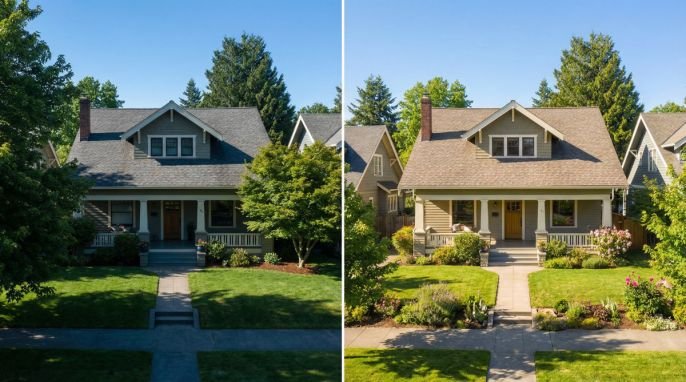
Understanding the orientation of a house is a critical factor in real estate, influencing everything from energy efficiency and natural light to garden viability and overall comfort says Euless Management Company. The debate between north-facing and south-facing properties is a long-standing one, with each offering distinct advantages and disadvantages depending on climate, personal preferences, and lifestyle. This guide delves into the nuances of both orientations, providing a detailed analysis of their pros and cons to help homeowners and property managers make informed decisions.
The Allure of a South-Facing House
South-facing properties are often highly sought after, particularly in regions with temperate climates, due to their abundant exposure to direct sunlight throughout the day. This consistent solar gain translates into several tangible benefits for residents. One of the primary advantages is enhanced natural light, which can make interiors feel brighter, more spacious, and more inviting. This natural illumination reduces the reliance on artificial lighting, leading to lower electricity bills and a more pleasant living environment. Furthermore, the psychological benefits of ample sunlight are well-documented, contributing to improved mood and overall well-being.
Beyond aesthetics, the direct sunlight received by south-facing homes offers significant thermal advantages. During colder months, the sun’s rays can naturally warm the interior, reducing the need for extensive heating. This passive solar heating can lead to substantial energy savings and a more comfortable indoor temperature. For those interested in sustainable living, a south-facing orientation is ideal for installing solar panels, as it maximizes their exposure to sunlight, thereby increasing energy generation efficiency. Gardens and outdoor spaces also thrive in south-facing positions, benefiting from prolonged sun exposure that supports a wider variety of plant life and extends growing seasons.
The Practicality of a North-Facing House
While south-facing homes bask in direct sunlight, north-facing properties offer a different set of advantages, particularly appealing in warmer climates or for those who prefer consistent, indirect light. The most significant benefit of a north-facing orientation is the cooler indoor temperatures during hot summer months. With less direct solar gain, these homes tend to stay naturally cooler, reducing the reliance on air conditioning and subsequently lowering cooling costs. This can be a considerable advantage in regions prone to intense heat, providing a more comfortable and energy-efficient living space.
Another key aspect of north-facing homes is the quality of natural light they receive. Instead of harsh, direct sunlight, north-facing rooms are illuminated by a softer, more consistent indirect light. This type of light is highly valued by artists, photographers, and those who work from home, as it minimizes glare and shadows, creating an ideal environment for creative pursuits or tasks requiring visual precision. Gardens associated with north-facing properties, while receiving less direct sun, can still flourish with shade-loving plants, offering a tranquil and verdant retreat from the summer heat. The consistent light also means less fading of furniture and fabrics, preserving the interior decor over time.
Energy Efficiency and Climate Considerations
The energy efficiency of a house is profoundly impacted by its orientation, with north and south-facing properties presenting distinct profiles. South-facing homes, by maximizing solar gain, are inherently more energy-efficient in colder climates. The sun’s warmth can significantly offset heating needs, leading to lower energy consumption during winter. However, in hotter climates, this same solar gain can become a disadvantage, necessitating increased air conditioning use to maintain comfortable indoor temperatures. Proper shading solutions, such as eaves, awnings, or strategic landscaping, become crucial for south-facing homes in warm regions to mitigate overheating.
Conversely, north-facing homes generally excel in energy efficiency in warmer climates. Their reduced exposure to direct sunlight helps keep interiors cooler, minimizing the demand for air conditioning. In colder climates, however, north-facing properties will require more heating to compensate for the lack of passive solar gain. This often means higher heating bills during winter months. The choice between north and south-facing, therefore, often boils down to a careful consideration of the local climate and the homeowner’s priorities regarding heating versus cooling costs. Modern insulation and window technologies can help mitigate some of these effects, but orientation remains a fundamental factor.

Natural Light and Interior Comfort
The quality and quantity of natural light are significant determinants of interior comfort and ambiance, with house orientation playing a pivotal role. South-facing rooms are typically bathed in bright, direct sunlight for most of the day, creating a warm and vibrant atmosphere. This can be highly desirable for living areas, kitchens, and other spaces where a cheerful and energetic feel is desired. The abundance of natural light can also make rooms appear larger and more open, enhancing the overall aesthetic appeal. However, direct sunlight can also lead to issues such as glare, especially on screens, and potential fading of fabrics and artwork over time if not properly managed with blinds or UV-protective coatings.
North-facing rooms, on the other hand, receive a more diffused and consistent indirect light. This softer illumination is often preferred for bedrooms, studies, and art studios, where a calm, even light is more conducive to relaxation or focused work. The absence of harsh glare makes north-facing rooms ideal for tasks requiring visual precision, and it also helps in preserving the color and integrity of interior furnishings. While north-facing rooms may feel cooler and less bright than their south-facing counterparts, they offer a serene and stable lighting environment that many find appealing. The key is to balance the light requirements with the intended use of each room within the home.
Garden and Outdoor Space Considerations
The orientation of a house significantly impacts the usability and potential of its garden and outdoor spaces. A south-facing garden is often considered the holy grail for avid gardeners, as it receives the maximum amount of sunlight throughout the day. This prolonged exposure is ideal for growing a wide variety of sun-loving plants, vegetables, and fruits, leading to a more productive and diverse garden. South-facing patios and decks also benefit from extended periods of sunshine, making them perfect for outdoor entertaining, sunbathing, and enjoying the warmth. The increased solar gain can also help dry out damp areas more quickly after rain.
Conversely, a north-facing garden will receive less direct sunlight, particularly during the colder months. This makes it more suitable for shade-loving plants such as ferns, hostas, and certain types of hydrangeas. While it may not be ideal for sun-drenched vegetable patches, a north-facing garden can offer a cool, tranquil retreat during hot summer days, providing a welcome respite from intense heat. North-facing patios and outdoor areas can be excellent for enjoying cooler evenings or for those who prefer shaded outdoor living. Strategic landscaping and careful plant selection are essential to maximize the potential of a north-facing outdoor space, creating a unique and appealing environment.
| Feature | North-Facing House | South-Facing House |
|---|---|---|
| Natural Light | Consistent, indirect, softer light; less glare | Abundant, direct, brighter light; potential for glare |
| Thermal Comfort (Summer) | Naturally cooler; reduced need for AC | Warmer; increased need for AC (especially in hot climates) |
| Thermal Comfort (Winter) | Colder; increased heating needs | Warmer; reduced heating needs (passive solar gain) |
| Energy Efficiency | Better in hot climates (cooling); worse in cold climates (heating) | Better in cold climates (heating); worse in hot climates (cooling) |
| Garden Potential | Ideal for shade-loving plants; cooler outdoor spaces | Ideal for sun-loving plants; warmer outdoor spaces |
| Fading of Furnishings | Less prone to fading | More prone to fading |
| Solar Panel Efficiency | Less optimal | Highly optimal |
Frequently Asked Questions
Which house orientation is best for natural light?
A south-facing house generally receives the most direct and abundant natural light throughout the day, making interiors feel brighter and warmer. North-facing houses receive more consistent, indirect light, which is softer and minimizes glare, ideal for certain activities or preferences.
Are north-facing houses colder in winter?
Yes, north-facing houses tend to be colder in winter because they receive less direct sunlight and passive solar gain. This often means they require more heating to maintain comfortable indoor temperatures compared to south-facing homes.
Is a south-facing garden always better?
A south-facing garden is often preferred for growing sun-loving plants and for maximizing outdoor warmth. However, a north-facing garden can be excellent for shade-loving plants and provides a cooler retreat during hot summer months, appealing to different gardening styles and preferences.
How does house orientation affect energy bills?
House orientation significantly impacts energy bills. South-facing homes can reduce heating costs in winter due to passive solar gain but may increase cooling costs in summer. North-facing homes can reduce cooling costs in summer but may have higher heating costs in winter. The overall impact depends on the climate and specific energy usage.
What are the disadvantages of a south-facing house?
Disadvantages of a south-facing house can include overheating in warmer climates, increased glare, and potential fading of furniture and fabrics due to prolonged direct sunlight exposure. These issues can often be mitigated with proper shading and window treatments.
Conclusion
The decision between a north-facing and a south-facing house is not a simple matter of one being inherently superior to the other. Both orientations offer a unique set of advantages and disadvantages that are heavily influenced by geographical location, climate, and individual lifestyle preferences. South-facing homes excel in natural light and passive solar heating, making them ideal for colder climates and those who cherish bright, warm interiors. North-facing homes, conversely, provide cooler indoor temperatures and consistent, diffused light, which can be highly desirable in warmer regions or for specific activities like art and study. Ultimately, a thorough understanding of these factors, coupled with a clear assessment of personal needs, will guide homeowners and property managers toward the orientation that best suits their requirements, ensuring comfort, energy efficiency, and overall satisfaction with their property.
