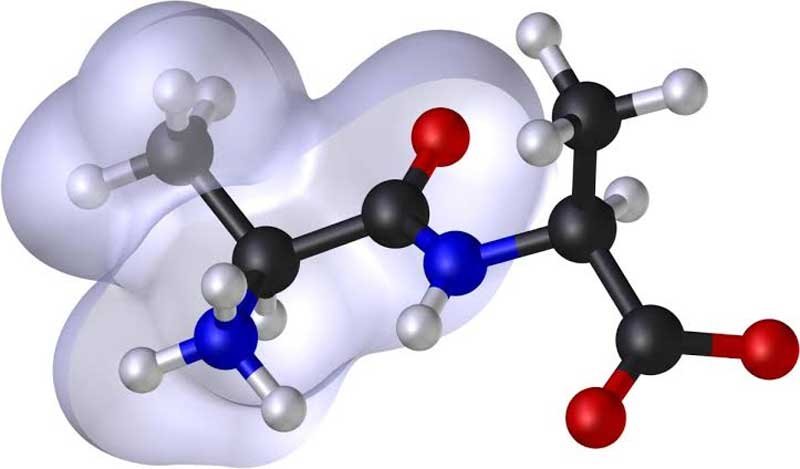
The investigation of receptor-ligand kinetics and downstream metabolic signaling represents a fundamental pillar of modern molecular biology, biophysics, pharmacology, and chemical biology. Cellular membranes possess a vast array of specialized trans-membrane receptors that interpret extracellular biochemical cues to orchestrate intracellular enzymatic cascades. When peptide signaling molecules bind to their cognate receptor complexes, they initiate conformational shifts that trigger secondary messenger pathways, including the activation of adenylate cyclase, phospholipase C, and mitogen-activated protein kinase (MAPK) cascades. Understanding the precise kinetic parameters of these binding events is crucial for clarifying how biological systems maintain cellular homeostasis under physiological stress.
In contemporary experimental frameworks, investigators are actively examining novel cellular modulation peptides to delineate how synthetic ligand designs can fine-tune cellular responsiveness without inducing rapid receptor desensitization or tachyphylaxis. Deploying chemically stable peptide analogues in cell culture assays allows researchers to systematically quantify binding affinities, internal trafficking kinetics, and receptor recycling pathways with high experimental fidelity across diverse tissue models.
Thermodynamics and Binding Free Energy in Peptide-Receptor Complexes
The affinity between a synthetic oligopeptide and its target receptor is governed by fundamental thermodynamic principles, including changes in enthalpy (dH) and entropy (dS) during complex formation. High-affinity peptide binding typically involves a network of specific non-covalent interactions, such as hydrogen bonding, electrostatic salt bridges, and hydrophobic interactions within the receptor’s binding pocket. Isothermal titration calorimetry (ITC) and surface plasmon resonance (SPR) are widely utilized in preclinical research to measure real-time association and dissociation rate constants.
By comparing the thermodynamic binding profiles of native peptide sequences against rationally modified synthetic analogues, researchers can identify specific amino acid residues that enhance binding stability. Introducing sterically constrained amino acids, D-enantiomers, or N-methylated peptide bonds can significantly reduce conformational flexibility in the unbound state, lowering entropic penalties upon binding and dramatically extending receptor residence time in experimental assays.
Downstream Gene Expression and Mitochondrial Bioenergetics
Beyond the cell surface, synthetic peptide signaling cascades exert profound regulatory effects on nuclear transcription factors and intracellular organelle function. In vitro metabolic stress assays demonstrate that target-specific peptides can stimulate mitochondrial biogenesis by upregulating peroxisome proliferator-activated receptor gamma coactivator 1-alpha (PGC-1a) and nuclear respiratory factors. This enhanced mitochondrial capacity increases adenosine triphosphate (ATP) generation while attenuating oxidative electron leakage.
Concurrently, peptide-mediated activation of cytoprotective transcription factors, such as nuclear factor erythroid 2-related factor 2 (Nrf2), drives the transcription of endogenous antioxidant enzymes including superoxide dismutase (SOD), catalase, and glutathione peroxidase. These coordinated cellular adaptations protect mitochondrial membrane potential and structural integrity during periods of nutrient deprivation or hypoxic challenge in preclinical cellular models.
Signal Attenuation and Internalization Mechanisms
Following receptor engagement, cells employ sophisticated regulatory mechanisms to terminate or modulate ongoing signaling. Beta-arrestin recruitment to phosphorylated trans-membrane receptors facilitates clathrin-mediated endocytosis, leading to either receptor degradation in lysosomes or dephosphorylation and recycling back to the plasma membrane. Investigating how synthetic peptide structures influence the balance between receptor internalization and surface recycling provides vital insights into long-term signaling sustainability in bio-assays.
Furthermore, analyzing the spatial-temporal distribution of internalized receptor-ligand complexes reveals whether signaling persists from endosomal compartments. This sustained endosomal signaling represents an emerging concept in GPCR biology that reshapes our understanding of cellular duration and biological response profiles.
Analytical Rigor in Laboratory Peptide Sourcing
To ensure reproducible and reliable data in receptor kinetic studies, laboratory investigators require synthetic peptide preparations characterized by exceptional chemical purity. Analytical validation via high-performance liquid chromatography (HPLC) paired with high-resolution mass spectrometry (HRMS) confirms accurate sequence assembly, the complete absence of racemic impurities, and minimal residual moisture or synthesis counter-ions. Ensuring rigorous batch-to-batch consistency enables academic and industrial research laboratories to establish precise, reproducible pharmacological datasets across all experimental investigations.
