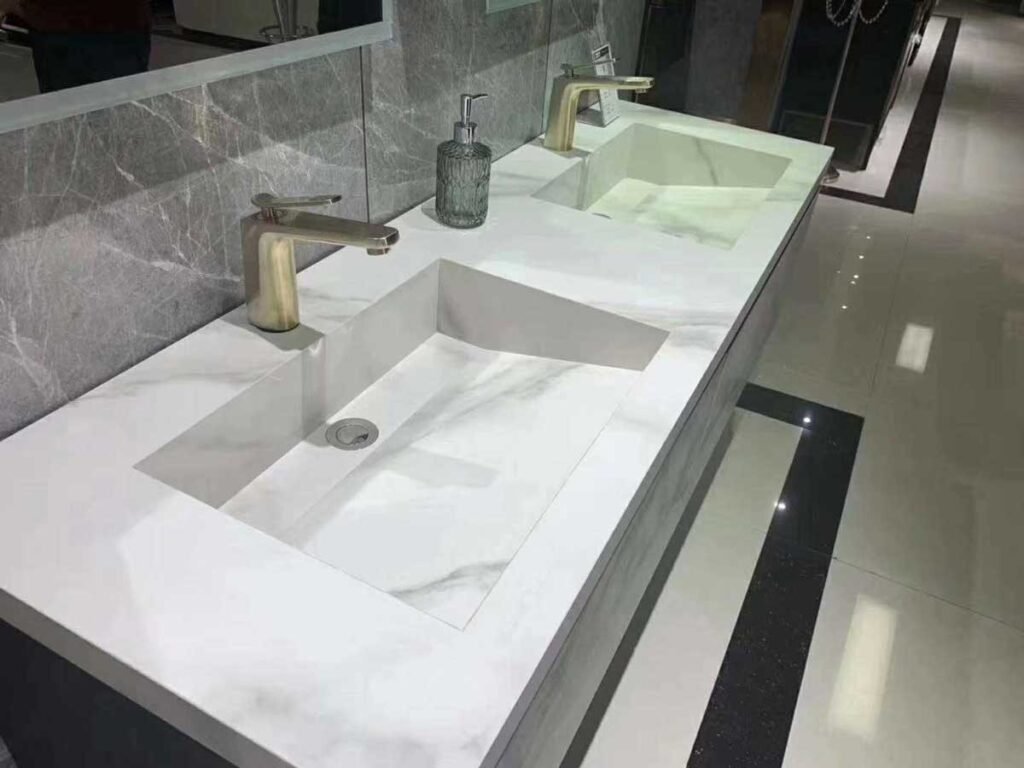
Stone vanity tops give bathrooms a clean, solid and modern look while standing up to daily use. Many homeowners choose stone because it offers a durable, hard-wearing surface that handles water, cosmetics, and cleaning products better than many other materials. Options such as 20mm, 40mm, or 60mm thick gloss white stone tops and deep midnight black stone tops suit both compact and large vanities, from 450mm to 1800mm in length. Yet even tough stone is not completely immune to heat and scratches. Hot hair tools, abrasive cleaners, and sharp objects can still damage the surface over time. This guide explains how different stone vanity tops react to heat and wear, compares popular materials, and shares practical steps to keep your bathroom surface looking new.
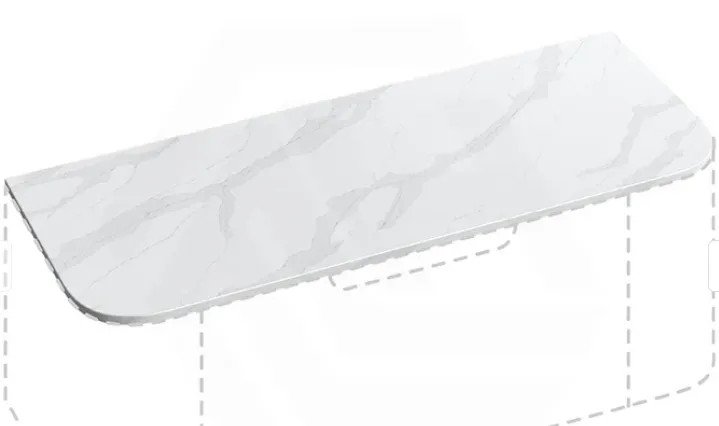
How Resistant Are Stone Vanity Tops to Heat and Scratches?
Comparing Natural Stone vs Engineered Stone Durability
Natural stone, like granite, marble, and quartzite, forms over thousands of years, so it offers solid strength and unique patterns. Engineered stone, often called quartz, mixes natural stone with resins to create a uniform, dense slab. Both perform well in bathrooms, but they behave differently under stress. Granite and quartzite resist scratches and moderate heat better than marble. Engineered quartz resists everyday scratching thanks to its hard surface, but the resin component can react to very high heat from hair tools. Natural stone may need sealing to protect against stains and minor wear, while engineered stone usually comes non-porous. For most families, both options deliver strong durability; the best choice depends on your style, maintenance habits, and how heavily you use the vanity each day.
How Heat Affects Different Stone Surfaces
Heat in bathrooms mainly comes from hair straighteners, curling irons, and hot water. Granite and quartzite handle brief contact with hot tools reasonably well, especially on thicker 20mm, 40mm, or 60mm vanity tops that spread the heat more effectively. Marble, although beautiful, can be more sensitive to quick temperature changes and may etch or dull if exposed repeatedly to hot styling tools or harsh products. Engineered quartz resists moderate heat but contains resins that can discolor or warp under very high or prolonged temperatures. Placing hot irons directly on any stone is still risky. A simple heat-resistant mat or trivet under styling tools prevents burn marks, thermal shock, and hair product residue from bonding to the surface and making it dull over time.
What Causes Scratches and Surface Wear?
Scratches usually come from everyday habits rather than single accidents. Metal accessories, rough ceramic containers, and sharp grooming tools dragged across the vanity can mark the surface. Sand or grit from cleaning cloths can act like sandpaper if you wipe in hard circles. Over time, this constant friction can dull gloss finishes, especially on softer stones like marble. Even strong materials, such as granite or engineered quartz, may show fine hairline scratches under bright light if misused. Cleaning with abrasive powders or scrubbing pads also wears down the finish and exposes micro-scratches where dirt can settle. To reduce wear, many homeowners place trays under cosmetics and jewelry and choose smooth cloths and pH-neutral cleaners that protect both polished and matte stone surfaces.
Which Stone Materials Offer the Best Protection?
Granite, Quartz, Marble, and Quartzite Compared
Granite is one of the most popular choices for bathroom vanity tops because it offers strong resistance to scratches and moderate heat while delivering natural patterns. Engineered quartz combines crushed stone and resins, giving a hard, non-porous surface that resists stains and everyday scratching but needs protection from high heat. Marble brings a timeless, elegant look but has a softer structure; it scratches and etches more easily from cosmetics and cleaners. Quartzite, a metamorphic stone, offers hardness similar to or above granite with a more marble-like appearance, giving both beauty and resilience. For busy bathrooms, granite, engineered quartz, or quartzite usually outlast marble. Thickness also matters: 20mm, 40mm, and 60mm tops all perform well, but thicker profiles feel more solid and forgiving under stress.
Finish Types and Their Impact on Scratch Resistance
Finish affects how scratches show, even on the same stone. A polished gloss finish, like on a white canvas stone top, reflects light and highlights fine marks, but its smooth surface can make cleaning easier. Honed finishes have a soft, matte look that hides small scratches and etching better but may show fingerprints and water marks more. Textured or leathered surfaces offer a tactile feel that camouflages minor wear and works well in high-traffic bathrooms. Dark tones, such as quantum zero midnight black stone tops, can reveal dust and light surface marks, while medium shades tend to disguise daily wear. When you pick a finish, balance the style you like with how much traffic and rough use the vanity will see.
Choosing the Right Stone for High-Use Bathrooms
Family bathrooms and rental properties put vanity tops under constant stress from children, guests, and frequent cleaning. For these spaces, many homeowners choose engineered quartz, granite, or quartzite because they offer strong resistance to scratching and general wear, especially in practical thicknesses like 20mm or 40mm across lengths from 450mm to 1800mm. A mid-tone color with a subtle pattern hides toothpaste marks, soap splashes, and light scuffs better than pure white or solid black. Finishes that lean slightly matte also conceal small defects over time. Marble can still work in high-use spaces, but it suits owners ready to reseal more often and accept a patina. Always match the stone choice with your lifestyle, cleaning habits, and how carefully users treat the bathroom.

How Can You Protect Stone Vanity Tops from Damage?
Protection starts with simple daily habits. Place a heat-resistant mat or stand where you rest hair straighteners, curling irons, and dryers. Use trays or organizers under perfumes, makeup, and jewelry to stop sharp edges and rough bases from scratching the stone. Wipe spills quickly, especially hair dye, nail polish remover, and acidic products that can etch some stones. Clean with a soft cloth or sponge and a pH-neutral stone cleaner or mild dish soap; avoid abrasive powders, steel wool, and harsh bleach. For natural stones such as granite, marble, and some quartzites, schedule regular sealing as recommended by your supplier to reduce staining and wear. Use felt pads under countertop accessories and choose rounded, not sharp, metal containers. These simple steps help keep both gloss white and midnight black vanity tops looking fresh for years.
Conclusion
The stone vanity tops balance style and toughness, making them a smart choice for modern bathrooms. Materials such as granite, engineered quartz, and quartzite stand up well to daily heat and scratching, while marble offers classic beauty with more maintenance needs. Thickness options like 20mm, 40mm, and 60mm and lengths from 450mm to 1800mm let you match durable stone tops to almost any vanity layout. Heat-resistant mats, gentle cleaners, and sensible storage habits reduce wear and keep finishes smooth and attractive. When you choose the right stone type, finish, and care routine, your vanity top will handle hot tools, busy mornings, and constant cleaning without losing its appeal. A little planning now protects your investment and keeps your bathroom looking sharp.
