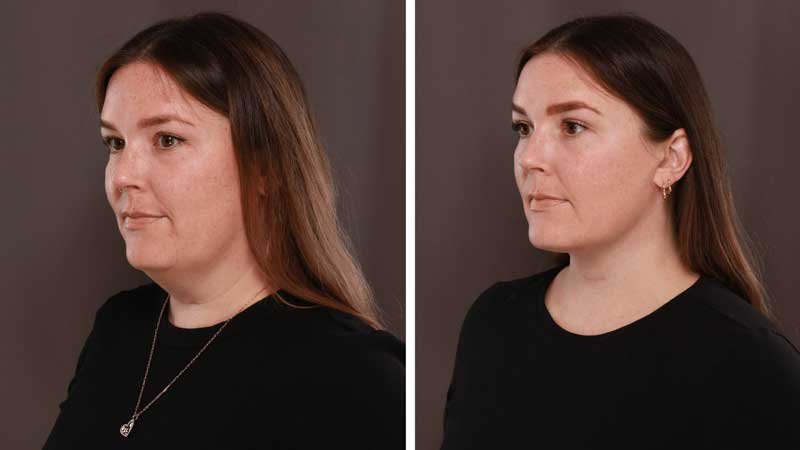
When we think about achieving peak physical fitness or maintaining a youthful appearance, our routines usually revolve around gym sessions, skincare, and balanced diets. However, an often overlooked factor connects both facial aesthetics and athletic performance. Your jaw health plays a surprisingly pivotal role in everything from the symmetry of your face to the amount of power you can generate during a heavy lift. As modern lifestyles become more demanding, the physical toll of stress and intense training is showing up in our smiles, jawlines, and overall facial structure.
The Hidden Link Between Stress and Facial Symmetry
Many of us unknowingly hold tension in our facial muscles when we are focused or stressed. This unconscious habit of teeth grinding or jaw clenching is known as bruxism. Over time, the immense force exerted by the jaw muscles can lead to significant structural changes. For individuals noticing these early warning signs, consulting experts at dedicated TMJ Clinics provide essential diagnostics before the damage progresses. In fact, jaw muscles can generate over 250 pounds of pressure per square inch during stress-induced clenching episodes. This intense pressure often leads to masseter muscle hypertrophy, a condition where the jaw muscles enlarge and gradually widen the lower face, creating an unintended square jawline and noticeable facial asymmetry.
Beyond muscle growth, severe teeth grinding accelerates tooth wear. This bite collapse can actually shorten the lower third of the face, which deepens lines and wrinkles around the mouth to cause premature ageing. Understanding the mechanics of these changes is essential to maintaining your facial structure.
Addressing the root cause of this tension often begins with holistic wellness. Since cortisol and anxiety are primary drivers of nocturnal grinding, lowering your stress hormone levels is a highly effective preventative measure. For instance, discovering natural ways to manage anxiety holistically, such as exploring whether you should choose ashwagandha or tongkat ali supplements can help calm the nervous system before bed and reduce the likelihood of unconscious jaw clenching.
How Intense Workouts Impact Your Jaw
The connection between jaw health and physical fitness is equally compelling. Walk into any local gym or fitness studio, and you will likely see athletes straining their facial muscles during a tough set. Sports dentistry research indicates that more than 80 percent of weightlifters clench their jaws to stabilise their core and neck muscles during heavy lifts. Furthermore, observational studies reveal that over 61 percent of high-intensity fitness practitioners routinely grind their teeth during workouts.
This habit is driven by a physiological response called concurrent activation potentiation. When you clench your jaw, it can temporarily increase upper-body isometric strength, helping you push through a challenging repetition. However, this performance boost comes at a high cost to your temporomandibular joint.
Without proper protection, the relentless strain leads to localised joint discomfort, premature tooth wear, and non-carious cervical lesions. While athletes may benefit from the temporary power output, only a small percentage realise the long-term damage they are inflicting on their dental health and facial structure. Medical resources consistently warn about these risks, including an overview from the Mayo Clinic noting how TMJ disorders cause persistent pain in the jaw joint and controlling muscles due to ongoing wear and tear.
Strategies to Protect Your Jaw and Preserve Your Aesthetics
Fortunately, mitigating the effects of bruxism and intense exercise does not mean you have to give up heavy lifting or accept facial asymmetry. Taking a proactive approach to your dental health can safeguard both your smile and your workout performance. For those experiencing ongoing tension or noticeable shifts in their bite, seeking professional diagnostics from a jaw specialist is a crucial first step toward restoring balance without needing invasive surgeries.
There are several practical steps you can integrate into your daily routine to protect your temporomandibular joint and facial muscles:
Wear a custom mouthguard: Whether you are sleeping or hitting the weights, a custom-fitted occlusal splint cushions joint impact and prevents teeth from grinding against each other.
Practice proper tongue posture: Resting your tongue gently on the roof of your mouth behind your front teeth can naturally part your upper and lower jaw, reducing resting tension.
Focus on breathing techniques: Incorporating deep, diaphragmatic breathing during weightlifting helps stabilise the core without requiring extreme jaw clenching.
Monitor unilateral chewing: Be mindful of chewing exclusively on one side of your mouth, as this subconscious habit often leads to uneven muscle growth and aesthetic imbalances in photographs.
Your jaw does much more than simply help you speak and eat. It is an integral part of your overall physical framework. By paying attention to how stress and exercise impact your facial muscles, you can take meaningful steps to preserve your aesthetic symmetry and enhance your physical wellbeing. Balancing an active lifestyle with mindful recovery ensures that your health, fitness, and beauty routines truly work together in harmony.
