When navigating the dynamic world of real estate, potential homebuyers often encounter various property statuses that can be confusing. According to Estate Home Management specialists, two terms frequently used, sometimes interchangeably, are “under contract” and “pending.” While both indicate that a seller has accepted an offer on a property, there are subtle yet significant distinctions between them that every buyer and seller should understand. Grasping the difference between pending and under contract can inform your strategy, whether you’re hoping to make a backup offer or simply tracking a property’s journey to sale.
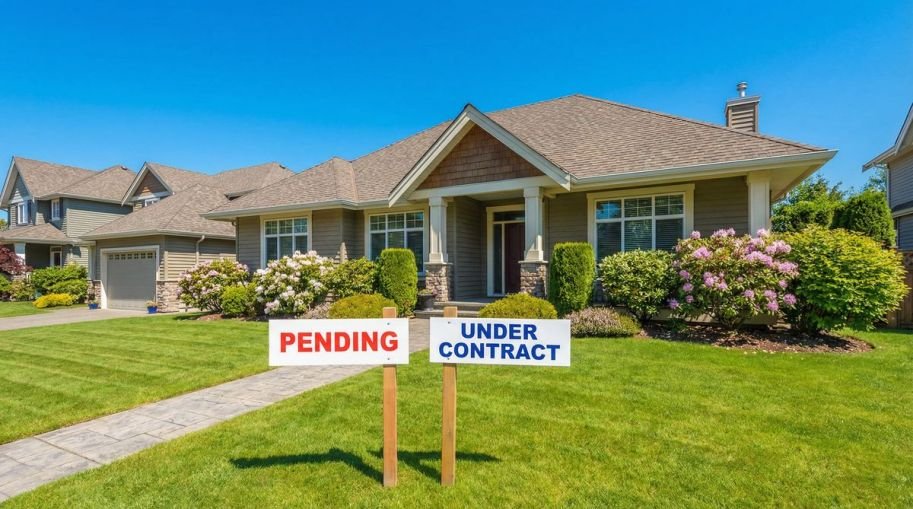
What Does ‘Under Contract’ Mean in Real Estate?
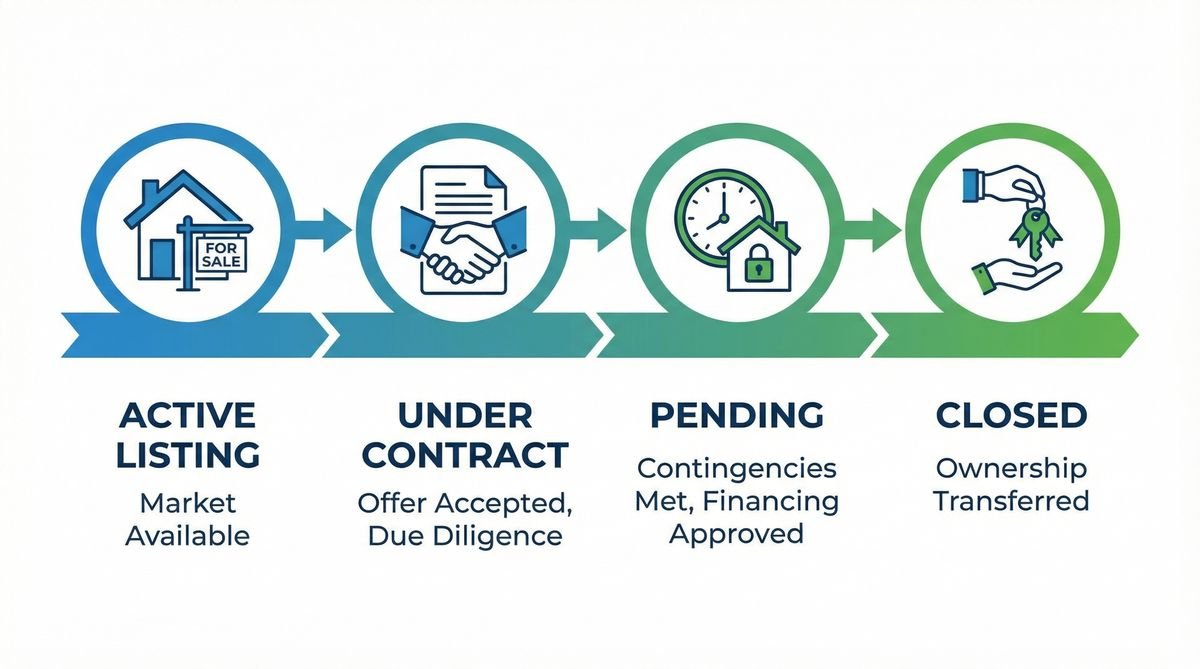
A property listed as “under contract” signifies that a seller has accepted a buyer’s offer, and both parties have signed a legally binding purchase and sale agreement [1]. This initial stage formalizes the agreement on the selling price and other key terms. However, the deal is not yet final because it typically includes specific conditions, known as contingencies, that must be met before the sale can proceed to closing. These contingencies act as safeguards for both the buyer and seller.
During the “under contract” phase, the property is still technically on the market, and in some cases, the seller may continue to accept backup offers. This is because if any of the agreed-upon contingencies are not satisfied, the buyer may have the right to withdraw from the agreement without penalty, causing the deal to fall through. Common contingencies include home inspections, appraisal valuations, and the buyer securing financing.
What Does ‘Pending’ Mean in Real Estate?
When a home’s status changes to “pending,” it indicates a more advanced stage in the real estate transaction. At this point, all the contingencies outlined in the purchase and sale agreement have typically been met or waived [2]. The property is now much closer to the final closing, and the likelihood of the deal falling through significantly decreases. A pending status means the property is usually taken off the active market, and most listing agents will no longer accept backup offers.
While a pending sale is a strong indicator that the transaction will complete, it’s not entirely foolproof. Rare circumstances, such as a buyer’s financing unexpectedly falling through at the last minute or unforeseen legal issues, can still cause a pending deal to unravel. However, these instances are far less common than issues arising during the “under contract” phase.
Key Differences: Under Contract vs. Pending
Understanding the nuances between these two statuses is vital for anyone involved in a real estate transaction. Here’s a comparative overview:
| Feature | Under Contract | Pending |
|---|---|---|
| Stage of Sale | Initial stage after offer acceptance and agreement signing. | Advanced stage, typically after all contingencies are met or waived. |
| Contingencies | Deal is subject to various contingencies (e.g., inspection, appraisal, financing). | Contingencies have generally been satisfied or removed. |
| Backup Offers | Often accepted, as the deal is more susceptible to falling through due to unmet contingencies. | Rarely accepted, as the sale is very close to completion; property is usually off the market. |
| Likelihood of Sale | Moderate; higher chance of falling through if contingencies are not met. | High; significantly lower chance of falling through, barring extraordinary circumstances. |
| Market Status | May still be actively marketed or show as “active under contract” to solicit backup offers. | Typically removed from active listings; considered “as good as sold” by many. |
The Role of Contingencies in Real Estate Transactions
Contingencies are clauses in a purchase agreement that specify conditions that must be met for the contract to become binding. They provide a legal out for buyers and sellers if certain events don’t occur. Here are some of the most common types:
- Home Inspection Contingency: Allows the buyer to have the home professionally inspected. If significant issues are found, the buyer can negotiate repairs, a price reduction, or withdraw from the offer.
- Appraisal Contingency: Protects the buyer if the home appraises for less than the agreed-upon purchase price. The buyer can renegotiate the price or cancel the contract.
- Financing Contingency: Gives the buyer time to secure a mortgage loan. If they cannot obtain financing, they can typically exit the contract without losing their earnest money deposit.
- Home Sale Contingency: Less common, this allows a buyer to make their offer contingent on the sale of their current home. If their home doesn’t sell within a specified timeframe, they can cancel the purchase.
Can You Still Make an Offer on a Property That’s Under Contract or Pending?
It is generally possible to make a backup offer on a home that is under contract. Sellers might entertain backup offers as a safety net, especially if there are many contingencies in the primary contract. If the initial deal falls through, the seller can then move on to the backup offer without having to relist the property.
For properties that are pending, making a backup offer is far less common and often less fruitful. Since a pending status implies that all hurdles have been cleared, the chances of the primary deal collapsing are slim. While some agents might still accept backup offers, it’s usually a long shot, and buyers are often better off focusing on actively available properties.
Why Do Real Estate Deals Fall Through?
Even with signed agreements, real estate transactions can encounter obstacles. According to a September 2025 REALTORS® Confidence Index report, only about 6% of contracts were terminated in the three months prior [3]. While this percentage is relatively low, it highlights that deals can indeed fail. Common reasons include:
- Inspection Issues: Major structural problems, safety hazards, or costly repairs discovered during a home inspection.
- Appraisal Gap: The home’s appraised value comes in lower than the agreed-upon purchase price, and the buyer and seller cannot agree on how to cover the difference.
- Financing Problems: The buyer’s loan falls through due to changes in their financial situation, issues with their credit, or the lender’s inability to approve the loan.
- Title Issues: Unresolved liens, boundary disputes, or other legal complications with the property’s title.
- Buyer’s Remorse: A buyer simply changes their mind or gets cold feet, though this often comes with the loss of their earnest money deposit if no contingencies protect them.
Expert Insight: The Illusion of Certainty
While a “pending” status offers a higher degree of certainty than “under contract,” it’s crucial for both buyers and sellers to understand that no deal is truly final until the closing documents are signed and funds are transferred. The real estate journey is complex, with many moving parts. An expert perspective emphasizes vigilance throughout the entire process, even when a property is pending. Buyers should remain prepared for unexpected turns, and sellers should ensure all contractual obligations are met meticulously to avoid last-minute complications. The difference between pending and under contract isn’t just semantic; it reflects distinct levels of commitment and risk in the transaction.
Frequently Asked Questions (FAQs)
Can a seller accept another offer if a home is under contract?
Yes, a seller can often accept backup offers when a home is under contract. If the initial deal falls through due to unmet contingencies, the seller can then proceed with a backup offer without having to relist the property.
Is it possible for a pending sale to fall through?
While less common than with properties under contract, a pending sale can still fall through. Reasons might include a buyer’s financing falling apart at the last minute, unforeseen title issues, or a buyer backing out and forfeiting their earnest money.
How long does a home typically stay in the ‘under contract’ or ‘pending’ status?
The duration varies, but homes are typically under contract or pending for 30 to 60 days. This timeframe allows for the completion of inspections, appraisals, loan processing, and other necessary steps before closing.
What should I do if I’m interested in a home that is under contract or pending?
If a home is under contract, you might consider making a backup offer. If it’s pending, the chances are much lower, but you can still express interest to the listing agent, who may inform you if the deal unexpectedly falls through.
