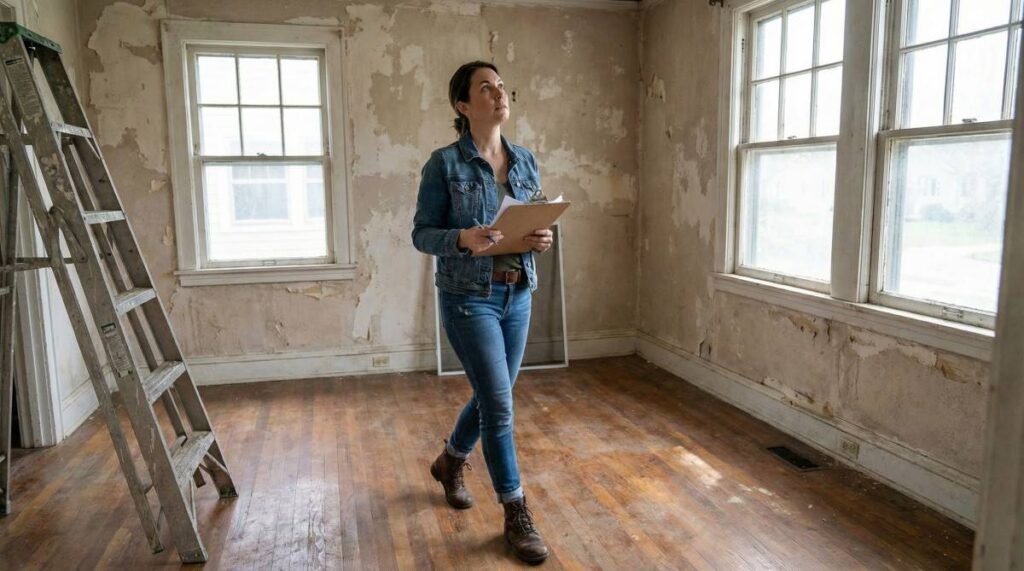
Real estate investing offers numerous avenues for wealth creation, and property flipping stands out as a particularly lucrative strategy when executed correctly. The core principle involves purchasing properties below market value, enhancing their appeal and functionality through renovations, and then reselling them for a profit. However, the success of this venture hinges critically on the initial acquisition: finding truly undervalued properties. This guide delves into actionable strategies and essential considerations for identifying these hidden gems, ensuring your flipping projects begin with a strong foundation. From understanding market dynamics to conducting thorough due diligence, we will explore the systematic approach required to uncover opportunities that others might overlook, setting you on a path to significant returns in the competitive real estate landscape, adds Heritage Property Management experts.
Understanding Market Dynamics and Indicators
Identifying undervalued properties begins with a deep understanding of local real estate market dynamics. A property’s value is not static; it fluctuates based on a myriad of factors, including economic health, population shifts, employment rates, and local development projects. Investors should focus on areas exhibiting signs of future growth or recovery. Key indicators include:
- Job Growth: Strong employment figures attract new residents, increasing housing demand.
- Infrastructure Development: New roads, public transport, schools, or commercial centers can significantly boost property values.
- Population Trends: Inward migration often signals a growing demand for housing.
- Rental Yields: High rental yields in an area can indicate strong demand and potential for appreciation.
- Property Tax Trends: Stable or slightly increasing property taxes can suggest a healthy local economy without being overly burdensome.
Analyzing these macro and microeconomic factors helps pinpoint neighborhoods poised for appreciation, where current property values might not yet reflect future potential. Tools like local government planning documents, economic development reports, and real estate data platforms can provide invaluable insights.
Strategic Sourcing: Where to Look for Deals
Finding undervalued properties often requires looking beyond conventional listings. While real estate agents are a valuable resource, successful flippers frequently tap into less obvious channels. Consider these sourcing strategies:
- Off-Market Properties: These are properties not publicly listed, often found through networking with wholesalers, probate attorneys, divorce lawyers, and property managers. Direct mail campaigns to absentee owners or those with code violations can also yield results.
- Foreclosures and Bank-Owned (REO) Properties: Properties in foreclosure or already owned by banks can often be purchased at a discount. Websites of major banks, government agencies (like HUD), and specialized foreclosure listing services are good starting points.
- Estate Sales and Auctions: Properties sold through estate sales or public auctions can present opportunities, especially if the sellers are motivated for a quick sale. Due diligence is paramount here, as properties are often sold “as-is.”
- Distressed Sellers: Life events such as divorce, job relocation, or financial hardship can motivate sellers to accept lower offers for a swift transaction. Identifying these situations often requires local networking and a keen eye for properties that have been on the market for an extended period.
- “For Sale By Owner” (FSBO): Sellers who choose the FSBO route may be more flexible on price, as they save on agent commissions.

Due Diligence and Property Assessment
Once a potential property is identified, rigorous due diligence is non-negotiable. This phase involves a comprehensive assessment of the property’s condition, potential renovation costs, and after-repair value (ARV). A common guideline for flippers is the “70% Rule,” which states that an investor should pay no more than 70% of a property’s ARV minus the cost of repairs. For example, if a property’s ARV is estimated at $300,000 and repairs will cost $50,000, the maximum purchase price should be $300,000 0.70 – $50,000 = $160,000.
Key Due Diligence Steps:
- Professional Inspection: Hire a qualified home inspector to identify structural issues, major system failures (HVAC, plumbing, electrical), and other hidden problems.
- Renovation Cost Estimation: Obtain multiple bids from contractors for all necessary repairs and upgrades. Be conservative in your estimates, adding a contingency fund (typically 10-20%) for unforeseen expenses.
- Comparative Market Analysis (CMA): Work with a real estate agent or use online tools to analyze recent sales of comparable properties in the area to accurately determine the ARV.
- Title Search: Ensure the property has a clear title, free from liens, encumbrances, or other legal issues that could complicate the sale.
- Zoning and Permitting: Verify local zoning regulations and understand what permits will be required for your planned renovations.
Financing Undervalued Property Flips
Securing appropriate financing is a critical component of a successful property flip. Traditional mortgages are often not suitable due to the short-term nature of flipping and the condition of the properties. Investors typically explore alternative financing options:
- Hard Money Loans: These are short-term, asset-based loans from private lenders, often used for distressed properties. They come with higher interest rates and fees but offer quick approval and funding.
- Private Money Lenders: Similar to hard money, but often from individuals or small groups, offering more flexible terms.
- Cash: The most straightforward option, allowing for quick closings and stronger negotiation power.
- Home Equity Line of Credit (HELOC) or Refinance: If you own other properties with significant equity, a HELOC or cash-out refinance can provide funds.
- Partnerships: Collaborating with other investors can pool resources and expertise, sharing both the risk and the reward.
Understanding the costs associated with each financing method, including interest rates, origination fees, and closing costs, is essential for accurate profit projections.
Maximizing Value Through Smart Renovations
The goal of renovations in a flip is to maximize the property’s appeal and value without overspending. Not all renovations yield the same return on investment (ROI). Focus on improvements that are most attractive to potential buyers in your target market.
High ROI Renovations:
| Renovation Type | Estimated ROI (US Average) | Impact on Buyer Appeal |
|---|---|---|
| Minor Bathroom Remodel | 70-78% | Significant |
| Minor Kitchen Remodel | 60-75% | Significant |
| New Siding (Fiber Cement) | 68-77% | High |
| New Garage Door | 90-95% | High |
| Deck Addition (Wood) | 65-70% | Moderate |
| Entry Door Replacement (Steel) | 90-100% | High |
Focus on cosmetic updates that provide the biggest “wow” factor, such as fresh paint, updated fixtures, modern flooring, and improved landscaping. Avoid highly personalized or overly expensive upgrades that may not appeal to a broad buyer base. The aim is to create a clean, modern, and move-in ready home that justifies a higher selling price.
Exit Strategy: Selling for Profit
A successful flip culminates in a profitable sale. Having a clear exit strategy from the outset is as important as finding the right property. This involves understanding the local buyer pool, effective marketing, and strategic pricing.
- Target Buyer Profile: Understand who your ideal buyer is. Are they first-time homebuyers, young families, or retirees? Tailor your renovations and marketing to this demographic.
- Professional Staging: Staging a home can significantly enhance its appeal, allowing buyers to envision themselves living in the space. This can lead to quicker sales and higher offers.
- High-Quality Photography: Professional photos and virtual tours are essential for online listings, which are often the first point of contact for potential buyers.
- Strategic Pricing: Price the property competitively based on your CMA and the current market conditions. Overpricing can lead to stagnation, while underpricing leaves money on the table.
- Marketing Channels: Utilize a multi-channel approach, including online real estate platforms, social media, open houses, and a strong local real estate agent network.
The goal is to create urgency and excitement around the property, leading to multiple offers and a swift, profitable sale.
FAQ: Finding Undervalued Properties
What is an “undervalued property”?
An undervalued property is a real estate asset whose market price is currently lower than its intrinsic value. This discrepancy can arise from various factors, including distressed seller situations, poor property condition, inefficient marketing, or a temporary downturn in a specific micro-market. The key is that with strategic improvements or a change in market perception, its value is expected to increase significantly.
How can I identify a distressed seller?
Distressed sellers are often motivated by circumstances requiring a quick sale, such as divorce, job relocation, financial hardship, probate, or inherited properties. Signs can include properties that have been on the market for a long time, multiple price reductions, properties in disrepair, or direct communication through networking with legal professionals or by observing public records for foreclosures or tax delinquencies.
What is the “70% Rule” in property flipping?
The 70% Rule is a guideline used by real estate investors to calculate the maximum price they should pay for a property to ensure a profitable flip. It states that an investor should pay no more than 70% of the property’s After Repair Value (ARV) minus the cost of repairs. For example, if a property will be worth $200,000 after repairs and repairs cost $30,000, the maximum purchase price would be ($200,000 0.70) – $30,000 = $110,000.
Are there specific areas in the US known for undervalued properties?
While specific areas fluctuate with economic cycles, regions experiencing economic revitalization, job growth, or gentrification often present opportunities. Secondary and tertiary markets, rather than primary metropolitan areas, might also offer more potential for finding undervalued assets. It’s crucial to conduct localized research, as what is undervalued in one city might be fairly priced in another. For example, some Rust Belt cities undergoing redevelopment have shown potential, as have certain suburban areas adjacent to booming tech hubs.
What are the biggest risks when flipping undervalued properties?
Key risks include underestimating renovation costs, overestimating the After Repair Value (ARV), market downturns that reduce buyer demand, unexpected delays in construction or permitting, and holding costs (taxes, insurance, utilities) that eat into profits. Thorough due diligence, conservative financial projections, and a contingency budget are essential to mitigate these risks. It’s also important to understand that state and local regulations regarding property sales and renovations can vary significantly across the US, impacting timelines and costs.
Conclusion
Successfully finding and flipping undervalued properties requires a blend of market knowledge, strategic sourcing, meticulous due diligence, and smart renovation choices. It is a systematic process that, when followed diligently, can yield substantial financial rewards. By understanding market indicators, exploring diverse sourcing channels, accurately assessing property potential and costs, securing appropriate financing, and executing a well-planned exit strategy, investors can navigate the complexities of the real estate market to uncover and capitalize on hidden value. The journey from identifying a neglected asset to transforming it into a desirable home is not without its challenges, but the potential for profit and the satisfaction of revitalizing communities make it a worthwhile endeavor for the astute investor.
