
Searching for the best breast pumps before the baby arrives makes sense, until a five-star ranking ignores your letdown, work schedule, and whether replacement valves ship on time. Those gaps reflect what most reviews are set up to measure, not everything you need for daily pumping. This article covers five of those limits and how to read scores before you treat a top pick as settled.
General information only, not medical advice.
Table of Contents
- Best breast pumps in reviews reflect one body, not every need
- Short pump tests miss long-term daily use
- Suction ratings do not predict comfort or letdown
- Real-life pumping scenarios change what matters
- Replacement parts matter after the review ends
- Conclusion
Best breast pumps in reviews reflect one body, not every need
Most pump reviews come from one body, one supply pattern, and one short testing window. That does not make the review useless. It just means the result may not travel well. A pump that empties one parent quickly can feel pinchy, slow, or awkward for someone whose letdown needs more warmth, whose nipple size sits between inserts, or whose supply is still settling.
A ranked list of the best electric breast pump 2026 picks can narrow the field quickly. Those lists are useful for comparing features and first impressions. They reflect one tester’s body and schedule in a limited window, so your letdown, flange fit, and daily routine may still need a separate check.
- A reviewer has an established or abundant supply, while you are still protecting early milk production
- A reviewer who produces milk easily may rate a pump highly, because they respond to a wide range of suction patterns; a parent working to establish supply may not
- A standard flange happens to fit them, while you need a different insert or angle
- They pump once or twice a day, while you are exclusively pumping every few hours
- Most reviews run at home, so car, office, and break-room use rarely shapes the score
Use the review for features and first impressions. Body fit, schedule fit, and the conditions where you will actually pump still need a separate check on your side.
Short pump tests miss long-term daily use
The first month is the easiest time for a pump to look good. Parts are new. Batteries are fresh. Motivation is high. The real test starts when the same pump has to run through workdays, night feeds, travel days, and the week when every duckbill valve seems to need replacing at once.
Many top breast pump brands are judged on early impressions because that is how online product testing works. A reviewer may run several sessions, compare output, note the sound level, and publish. What that review may not show is how the pump feels after hundreds of cycles, whether the battery still fits your day, or whether worn valves quietly reduce suction over time.
Before you weigh any list, ask what the review measured and what it could not cover in the time available.
| Review claim | What long-term use may reveal | Why the gap matters |
| Strong suction | Whether suction stays consistent after valve wear | Early output is not always later output |
| Wearable design | Whether the seal loosens after repeated bending | A fresh unit can feel very different from a tired one |
| Long battery life | How many sessions you need between charges after months of use | Exclusive pumping can drain a pump faster than casual use |
| Quiet motor | Whether noise changes as parts age | Sound ratings often come from new hardware |
| Great output | Whether the same rhythm still triggers letdown later | Supply and body response change over time |
A pump should not only impress during the unboxing. A two-week review cannot tell you whether it still feels manageable when the day is messy, and the routine is months old.
Suction ratings do not predict comfort or letdown
Suction ratings do not predict comfort or letdown on their own. Most reviews still treat suction like a spec you can rank, even though the response varies from one parent to the next. Some people let down quickly with a stronger expression phase. Others need a slower start, gentler cycles, or warmth before milk moves at all. A reviewer who tolerates higher suction easily may call a pump efficient. You may call the same setting sharp or unusable.
Clinical guidance treats that spread as normal biology, not a flaw in your body. AAP guidance on pumping likewise states that pumping should not hurt and that lactation support can help when comfort or milk flow does not match the settings on the box.
That gap rarely shows up in a star rating. Reviews mention suction levels, but they seldom explain how the tester responded biologically. Two parents can use the same pump on the same setting and describe opposite experiences. One may feel fully emptied while the other feels pinching with little output.
Cues the suction score is personal
- The reviewer praises maximum suction, while you need lower settings to stay comfortable
- Output numbers are highlighted without noting flange fit or letdown timing
- The pump is called efficient, because sessions were short, not because the rhythm matched a sensitive letdown
- Warmth or massage is treated as optional even though some bodies need it to respond at all
- One rhythm preset worked in testing, but reviews do not say how many settings were tried
A high score does not predict your suction tolerance. It records how one tester felt during a limited window. When the cues above point to rhythm, warmth, or massage rather than raw suction, the review has likely covered the motor and left the rest for you to check. Before you lean on the star rating alone, compare how different wearables handle those comfort controls on the eufy breast pump collection.
Real-life pumping scenarios change what matters
Most pump reviews happen at a desk, on a couch, or in a quiet room with time to reset between sessions. That setup is useful for comparison. It is also only one pumping life. A pump that scores well in a controlled home test may never be evaluated on the conditions that define your week.
What typical reviews may miss in daily use?
| Pumping life | What matters in that scenario | Why typical reviews may miss it |
| Office or workplace pumping | Privacy, clothing bulk, break-room timing, hands-free movement | A couch test is not the same as pumping between meetings |
| Exclusive pumping | Session frequency, battery cycles, spare parts on hand | Casual-use reviews understate daily wear |
| Travel or commuting | Charging on the road, packing parts, seal stability while moving | Road-trip pumping rarely appears in lab-style writeups |
| Overnight pumping | Dark-room alignment, noise near a sleeping partner, half-asleep setup | Bright, quiet test sessions hide night problems |
| Stay-at-home daytime pumping | One-handed setup, interruption recovery, repeated washing | Short tests do not mimic a day with a newborn |
If your week is built around office breaks, airport layovers, or 2 AM sessions, look for reviews that mention those settings explicitly. If none do, treat the ranking as one data point, not the full picture.
Replacement parts matter after the review ends
A pump can score highly during a two-week review and still become harder to live with if replacement valves are slow to ship six months later. Most reviews focus on suction, noise, and output during testing. Duckbill valves, membranes, flanges, and seals wear out with normal use, but accessory supply is rarely part of the score.
That limit is easy to overlook. A tester uses fresh parts throughout the evaluation. The writeup may not cover what happens when a valve tears on a Sunday night or when the only compatible flange size is out of stock.
What to check beyond the score
- Which parts wear first on the model you are considering
- Whether replacements ship quickly from the manufacturer or third-party sellers
- Whether flange sizes and inserts stay available if your fit needs change
- Whether discontinued accessories strand older units even when the motor still works
- Whether insurance or registry bundles include spares or only the launch kit
If valve wear, flange sizes, or bundle spares are on your list above, the star rating will not answer them. Most reviews run on new parts, so whether replacements still ship months later is something to verify on the brand site. If eufy is on your short list, the eufy breast pump accessories are where to check what ships beyond the launch kit.
If you pump several times a day, that gap arrives fast. Output may fall while the motor still sounds normal, and the real issue can be a worn valve or a size that no longer fits. With the eufy Wearable Breast Pump S2 Pro, five parts to wash keep the replacement list short enough to inventory at home. The box includes a 24 mm double-sealed flange and 15, 17, 19, and 21 mm inserts, so a fit change postpartum may not mean waiting on a separate order. Smart sensors watch for problems wear can hide. The pump stops when the collector is full and alerts you through the app if bending loosens the seal, which helps when you are packing a bag or answering email mid-session.
Before you commit long-term, do that inventory for the model you are considering. That belongs in the same conversation as the review score, not after a part fails mid-routine.
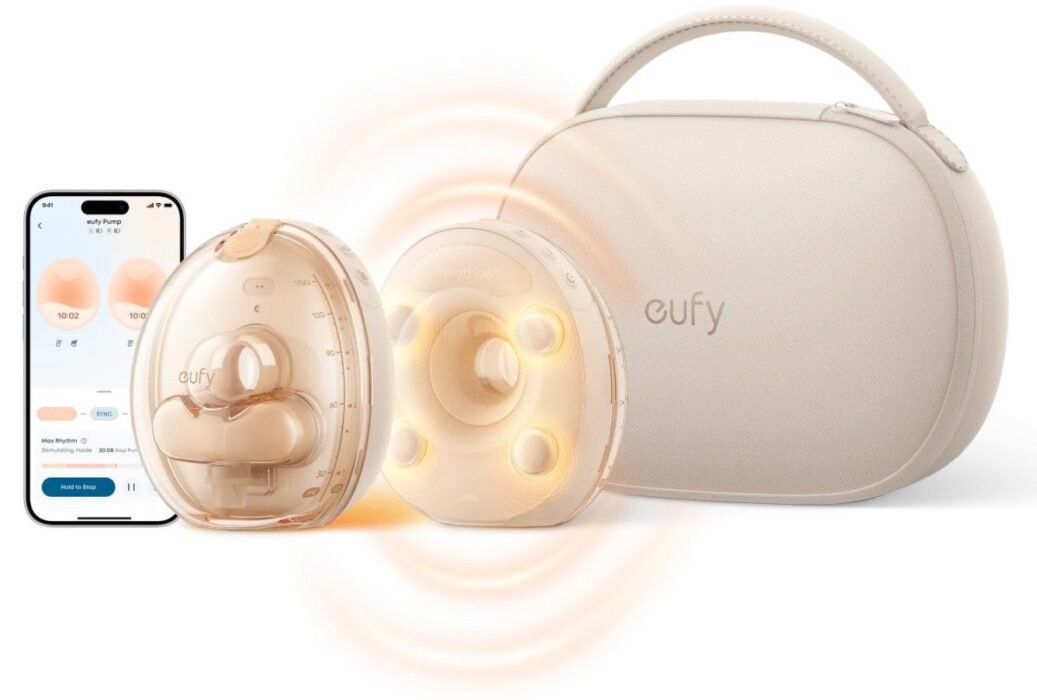
eufy Wearable Breast Pump S2 Pro
Conclusion
A review helps you compare options fast. Sample bias, short test windows, personal suction response, schedule gaps, and accessory supply can all sit outside a single score. Read the review for what was measured, then ask what was not. That includes your supply stage, your pumping week, your comfort with suction, and whether you can still buy the parts that keep the pump running six months later.
