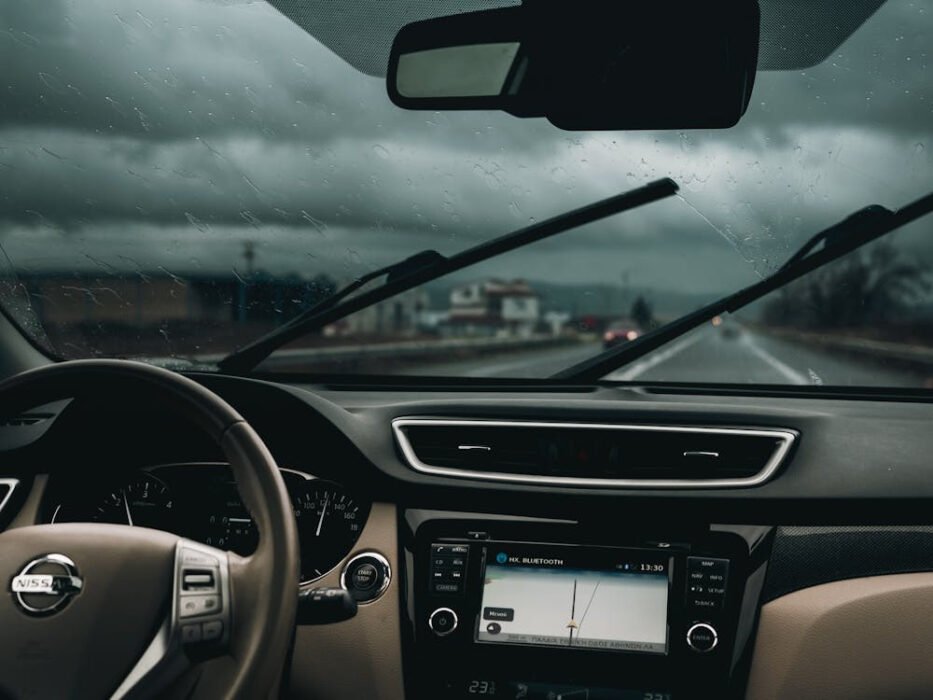
Have you chipped or cracked your windshield. Not sure what to do?
Don’t worry. Thousands of drivers have the same question everyday and most have no idea if they should schedule a repair or just replace it entirely.
The reality is that this decision is far more important than most realize. Choose incorrectly and you could:
- Spend way more money than you needed to
- Compromise the safety of your vehicle
- End up with a windshield that fails when you need it most
Here is everything you need to know to make the right call…
What we’ll cover:
- Why The Repair vs Replacement Decision Matters
- When To Choose Auto Glass Repair
- When You Need A Full Replacement
- Cost Breakdown: Repair vs Replacement
- Timeline & Safety Factors To Consider
Why The Repair vs Replacement Decision Matters
Your windshield is way more than just a piece of glass.
Your windshield isn’t just there to keep bugs from hitting your face. It helps support your roof if you flip your car. It also helps ensure your airbags deploy properly and keeps the cameras and sensors that activate your vehicle’s safety technology.
So when it gets damaged, you have to take it seriously.
Price is the deciding factor for most drivers. Don’t be that driver. There are several factors to consider — and the best way to determine what your windshield needs is to consult a professional auto glass repair technician. An experienced tech will be able to quickly assess whether you should replace or repair your auto glass based on the damage’s size, location, and severity.
Here’s why this matters so much:
Repairing a chip or crack that should have been replaced weakens your windshield. When that happens, you (and your passengers) are at risk if you’re in an accident.
On the other hand… If you replaced a windshield that should have been repaired, you’re wasting money. And depending on your vehicle, that can be a lot of waste.
When To Choose Auto Glass Repair
Repair is usually the better option for minor damage.
It’s quicker, economical and maintains your windshield’s original factory seal intact. The factory seal is important because it’s more difficult for future water and air infiltration.
Here’s when repair is the right call:
- Small chips: Generally smaller than a quarter
- Short cracks: Less than 6 inches long
- Outer layer only: Damage that hasn’t penetrated through to the inner glass
- Outside the line of sight: Not directly in the driver’s view
- Away from the edges: Not within 2 inches of the windshield’s edge
The repair process is actually quite simple. A technician injects the clear resin into the damaged area and then UV cures the resin. The repair generally takes less than half an hour.
Advanced repair technology these days is also amazing. Newer industry guidelines indicate that chips less than the size of a quarter, and cracks less than 6 inches can be repaired. But you will want to repair them quickly before dirt and moisture enter the damaged area.
(P.S. Place a piece of clear packing tape over the chip until your appointment. It will prevent debris from getting into the chip and will protect your repair options.)
When You Need A Full Replacement
Some damage can’t be safely repaired. Period.
Replacement isn’t merely the preferred option in these situations — it’s the only safe option.
Replacement is required when:
- Cracks are longer than 6 inches
- Damage is in the driver’s direct line of sight
- The crack reaches the edge of the windshield
- Damage penetrates both layers of laminated glass
- There are multiple chips or cracks close together
Edge cracks are bad because they damage all of the structural strength of the windshield. Driver’s-line-of-sight damage is also bad because even after repaired you normally always have a very small noticeable mark that affects vision.
There’s another big reason why replacement matters more than ever today…
Advanced Driver Assistance Systems (ADAS).
Does your vehicle have lane departure alerts, adaptive cruise control, automatic emergency braking, or those fancy safety features? Your windshield contains cameras and sensors that run those features. ADAS recalibration is needed on 9 out of 10 model year 2023 vehicles after windshield replacement.
If you skip recalibration your safety systems can trigger false warnings, miss dangers, or misinterpret road signs. Which is completely unsafe.
Cost Breakdown: Repair vs Replacement
Now let’s talk money.
Repair vs replacement prices differ greatly. Windshield repair typically costs between $50-$150 nationwide depending on damage size/location. Windshield replacements start at $200-$500 but can cost over $1,500 for higher end models & vehicles with ADAS.
Here’s a quick breakdown:
- Basic repair: $50 — $150
- Standard replacement: $200 — $500
- ADAS-equipped vehicle replacement: $1,000+
- Luxury or specialty vehicle: $1,500 — $2,000+
Replacement cost jumps significantly for newer vehicles because of ADAS recalibration. Straightening out all those cameras and sensors takes specialized tools and a technician who knows what they are doing.
There’s good news on the insurance side, though.
Many full coverage auto insurance policies include windshield repair with $0 deductible. In some states insurance companies are required to pay for repairs or replacement, at no cost to you. Be sure to read your policy and know your state laws before paying.
Timeline & Safety Factors To Consider
Time matters a lot more than people realize when it comes to windshield damage.
A little chip can rapidly become a long crack due to temperature fluctuation, vibration or normal driving. When that occurs, you no longer have the inexpensive, quick repair option.
Here’s what affects your timeline:
- Repair time: Usually under 30 minutes
- Replacement time: 1-2 hours for the install
- Drive-away time after replacement: 1 hour minimum (sometimes longer)
- ADAS recalibration time: Adds another 30-60 minutes
Drive away time is important. The glue securing your new windshield needs time to set. Drive too early and your windshield can shift, leak, or crack during an accident.
There’s real safety at play here. Research from the AAA Foundation for Traffic Safety estimates that 2.7 million crashes and 9,500 fatalities could be avoided each year if all vehicles were equipped with the most prevalent ADAS technologies and they were used correctly. Just how important your windshield is to your safety.
The bottom line is:
The earlier you act will almost always save you money. It also makes you safer. Don’t wait until that little chip turns into a crack right in your field of vision.
Bringing It All Together
Now you know exactly how to handle windshield damage the right way.
The decision between repair and replacement comes down to a few key factors:
- Size & location of the damage
- Depth through the laminated layers
- Vehicle type and whether it has ADAS
- How fast you act after the damage happens
Repair is best for small chips and cracks not in your line of sight. It’s fast, inexpensive and maintains your factory seal. Replacement is needed for long cracks, edge chips or anything within your sight line.
And don’t forget about ADAS calibration if your car has it. Neglecting this step makes your fancy gadgets even more important to keep working properly.
Number one tip? Consult a professional if you notice damage. Minutes with a trained technician could save you hundreds of dollars and help keep you safer on the road.
Frequently Asked Questions
Can I drive with a cracked windshield?
It depends how big and where the crack is. By federal law you cannot have cracks over 3/4 inch in your driver’s view, two cracks within three inches of each other, or crossing cracks. Cracks you can legally have can still spread quickly, so have the damage inspected ASAP.
How long does a windshield repair take?
Repairs typically under 30 minutes. Technican pours resin into damage, cures with UV light and you’re ready to roll. Replacement will take longer — typically 1-2 hours plus additional time for ADAS recalibration if your vehicle is newer.
Will my insurance cover windshield damage?
Comprehensive auto coverage typically pays for windshield repair with no deductible. Some states even require it. Replacement coverage differs, so read your policy before covering the cost yourself.
