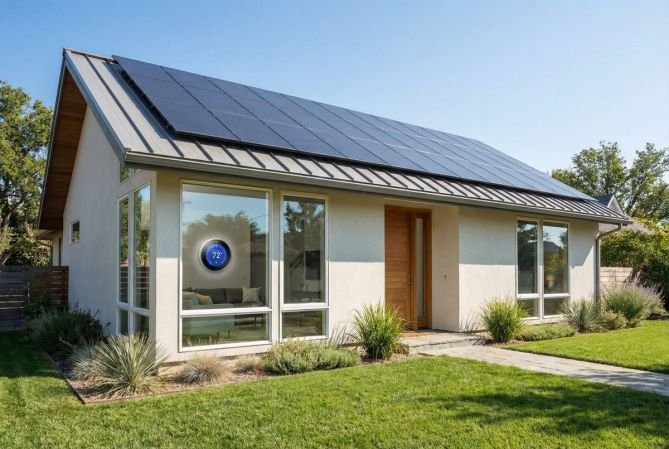
Implementing energy-efficient practices and upgrades can significantly lower your household electricity consumption, leading to substantial savings on utility bills and a reduced environmental footprint says Marana Property Management. This guide outlines practical steps homeowners can take to optimize energy use.
Optimize Heating and Cooling Systems
Heating and cooling systems are major electricity consumers in homes, making their efficient operation paramount for reducing energy bills. Adjusting thermostat settings, ensuring proper insulation, and maintaining HVAC units are crucial steps to significantly lower electricity usage and achieve substantial savings on utility costs. According to the U.S. Department of Energy (n.d.), selecting an energy-efficient heating system that doesn’t rely on electricity can significantly lower costs.
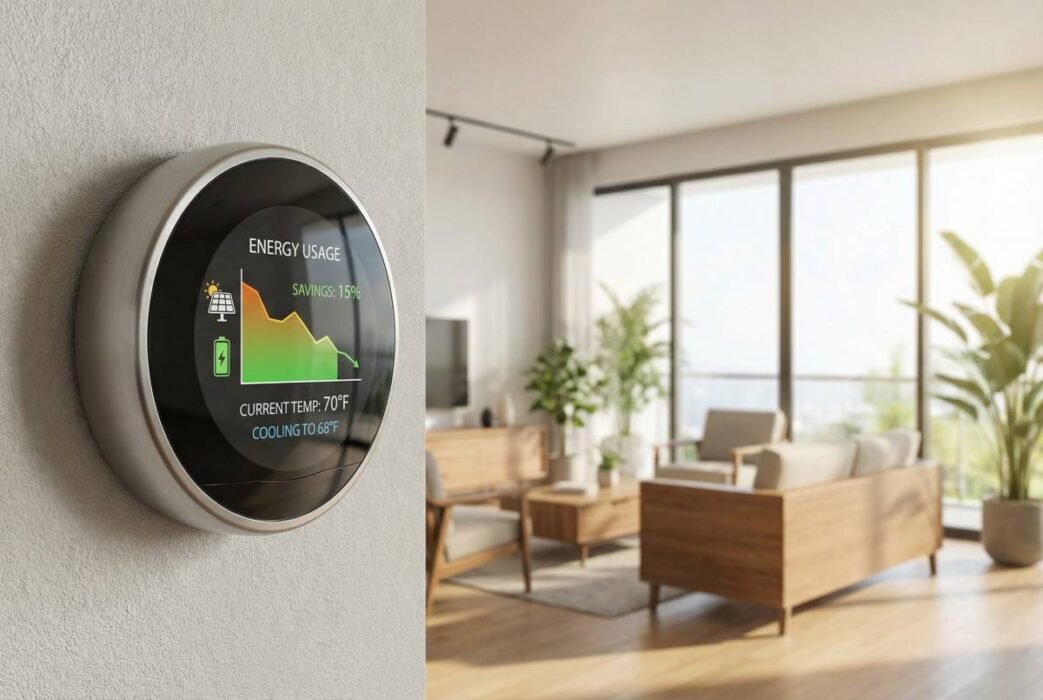
Consider programmable or smart thermostats to automatically adjust temperatures based on your schedule. Regular maintenance, such as cleaning or replacing air filters monthly, ensures your system runs optimally. ENERGY STAR (n.d.) suggests that an ENERGY STAR certified smart thermostat can reduce heating and cooling bills by over 8%, saving approximately $50 annually.
Enhance Appliance and Electronics Efficiency
Many household appliances and electronics consume electricity even when not actively in use, contributing to what are known as “vampire loads.” Upgrading to energy-efficient appliances and managing electronics use can lead to significant savings. These measures directly impact your electricity bill by minimizing wasted energy from devices in standby mode or those with outdated technology.
Replacing your five most frequently used light fixtures or the bulbs in them with ENERGY STAR certified lights can save about $40 a year in energy costs, as per ENERGY STAR (n.d.). Additionally, using power strips for electronics allows for complete disconnection from power, eliminating standby consumption.
Upgrade Lighting Solutions
Efficient lighting is a simple yet impactful way to reduce electricity consumption, offering immediate and noticeable savings on your energy bill. Modern lighting technologies provide superior illumination with significantly lower energy demands compared to traditional bulbs, while incorporating natural light further reduces the need for artificial lighting during the day. This combination creates a brighter, more energy-conscious home environment.
ENERGY STAR certified LED light bulbs use up to 90% less energy and last 15 times longer than standard bulbs, according to ENERGY STAR (n.d.). Maximizing daylighting through energy-efficient windows and skylights, as recommended by the U.S. Department of Energy (n.d.), can also contribute to lower electricity bills.
Manage Water Heating and Usage
Water heating is another major energy consumer in most homes, and optimizing its usage can lead to substantial decreases in electricity costs. By adopting conscious habits and improving the efficiency of your water heating system, homeowners can significantly reduce the energy required to heat water, contributing to overall bill reduction. Simple changes in daily routines and fixture upgrades play a significant role.
The U.S. Department of Energy (n.d.) advises purchasing an ENERGY STAR heat pump water heater and operating it efficiently. Furthermore, practices like taking shorter showers, washing clothes with cold water, and running dishwashers only when full can lead to considerable energy and water savings, as highlighted by ENERGY STAR (n.d.).
Seal and Insulate Your Home
Sealing and insulating your home effectively prevents conditioned air from escaping and unconditioned air from entering, thereby reducing the workload on your heating and cooling systems and lowering electricity consumption. This fundamental step in achieving long-term energy efficiency is critical for maintaining comfortable indoor temperatures with less energy expenditure. Proper sealing and insulation are foundational to a truly energy-efficient home.
Properly insulating and air sealing your home is a key recommendation from the U.S. Department of Energy (n.d.) for reducing electricity use. This includes sealing ductwork, checking windows and doors for leaks, and insulating attics and walls. Addressing these areas can significantly improve your home’s thermal performance and reduce energy waste.
Frequently Asked Questions About Reducing Electricity Bills
How can I identify where my home is losing the most energy?
A professional home energy assessment can pinpoint specific areas of energy loss, such as inadequate insulation, air leaks, or inefficient appliances. Many utility companies offer or recommend these assessments.
Are smart home devices truly effective in saving electricity?
Yes, smart home devices like smart thermostats and smart lighting can be highly effective. They allow for automated control and optimization of energy usage, often learning your habits to maximize savings without sacrificing comfort.
What are “vampire loads” and how can I prevent them?
“Vampire loads,” also known as standby power, refer to the electricity consumed by electronics when they are turned off but still plugged in. You can prevent them by unplugging devices or using power strips that can be switched off to cut power completely.
Does adjusting my thermostat by a few degrees really make a difference?
Yes, even small adjustments to your thermostat settings can make a significant difference. Raising the temperature by a few degrees in summer and lowering it in winter can reduce energy consumption for heating and cooling, leading to noticeable savings over time.
How often should I maintain my HVAC system for energy efficiency?
Regular maintenance, including changing air filters monthly and scheduling annual professional tune-ups, is crucial for keeping your HVAC system running efficiently. A well-maintained system consumes less energy and has a longer lifespan.
Reducing your home electricity bill is an achievable goal through a combination of conscious habits and strategic home improvements. By focusing on areas like heating and cooling, appliance efficiency, lighting, water usage, and proper insulation, homeowners can create a more energy-efficient and cost-effective living environment. These efforts not only save money but also contribute to a more sustainable future.
References:
[1] U.S. Department of Energy. (n.d.). Reducing Electricity Use and Costs. Retrieved from https://www.energy.gov/energysaver/reducing-electricity-use-and-costs
