In an increasingly complex world, safeguarding your home and loved ones has become a paramount concern for homeowners and property managers alike says KRS Lynchburg, a leading property management Bedford County VA company. A robust home security system is no longer a luxury but a fundamental component of modern living, offering peace of mind and tangible protection against various threats. The market, however, is saturated with a myriad of options, ranging from basic alarm systems to sophisticated smart home integrations, making the selection process daunting. This comprehensive guide aims to demystify the complexities of choosing a home security system, providing you with the essential knowledge and considerations needed to make an informed decision tailored to your specific needs and property characteristics. Understanding the different types of systems, their core components, and the services they offer is the first step towards creating a secure environment.
Understanding Your Security Needs and Property Assessment
Before diving into the vast array of security products, the initial and most crucial step involves a thorough assessment of your specific security needs and the unique vulnerabilities of your property. Begin by walking through your home, both inside and out, identifying potential entry points such as windows, doors, and even less obvious access points like skylights or pet doors. Consider the neighborhood’s crime rates, the presence of valuable assets within your home, and the daily routines of your household members. Do you have children, elderly relatives, or pets that require special consideration? Are there periods when your home is frequently unoccupied, such as during work hours or extended vacations? These factors will significantly influence the type and extent of security coverage you require.
Furthermore, evaluate the existing infrastructure of your property. Is it a single-family home, a multi-unit dwelling, or a commercial property? The size and layout of the premises will dictate the number and placement of sensors, cameras, and other devices. Consider the availability of power outlets and internet connectivity, especially for wireless and smart home systems. A detailed property assessment helps in pinpointing weak spots and determining the most effective strategies for deterrence, detection, and response. This foundational understanding ensures that the security system you ultimately choose is not only comprehensive but also perfectly aligned with the unique demands of your living or working space, providing optimal protection where it’s needed most.
Types of Home Security Systems: Wired vs. Wireless and DIY vs. Professional
The landscape of home security systems can broadly be categorized into wired and wireless configurations, as well as DIY (Do-It-Yourself) and professionally installed/monitored options. Wired systems, while often more complex to install due to the need for running cables through walls, are generally considered highly reliable and less susceptible to signal interference or battery issues. They are a robust choice for new constructions or major renovations where wiring can be integrated seamlessly. However, their inflexibility in relocation and higher installation costs can be deterrents for some. Wireless systems, conversely, offer unparalleled flexibility and ease of installation. They communicate via radio frequencies, making them ideal for existing homes where drilling and extensive wiring are undesirable. While generally reliable, it’s important to consider battery life for sensors and potential signal interference, though modern systems are designed to mitigate these concerns effectively.
Beyond the technical setup, the choice between DIY and professional services hinges on your comfort level with technology, budget, and desire for ongoing support. DIY systems empower homeowners to install and manage their security, often through user-friendly apps, offering cost savings on installation and monthly monitoring fees. They are excellent for those who prefer hands-on control and are comfortable troubleshooting minor issues. However, professional installation ensures optimal placement and configuration, often backed by warranties and expert support. Professional monitoring services provide 24/7 surveillance by trained personnel who can dispatch emergency services in response to alarms, offering an invaluable layer of protection and peace of mind, especially for those who travel frequently or desire immediate, expert intervention during an emergency. The decision between these options should align with your technical aptitude, budget constraints, and the level of security response you deem necessary.
Key Components and Features to Consider
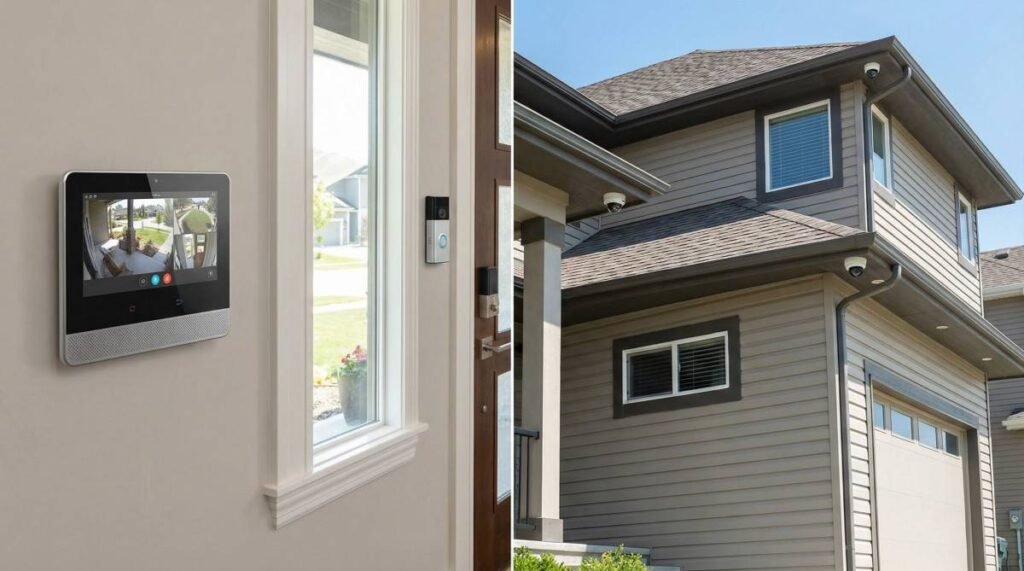
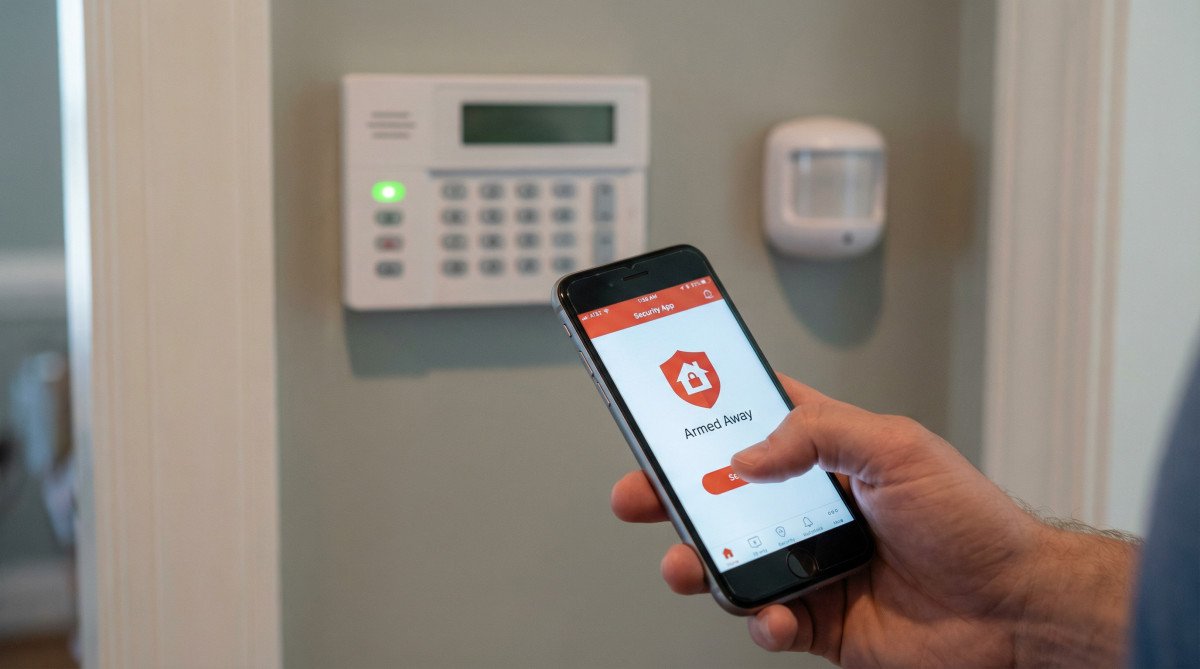
A comprehensive home security system is typically composed of several interconnected components, each playing a vital role in protecting your property. The central control panel serves as the brain of the system, allowing you to arm and disarm, view status, and interact with all connected devices. Entry sensors, placed on doors and windows, detect unauthorized access, while motion sensors monitor larger areas for movement. Glass break sensors add another layer of protection by detecting the sound of breaking glass. For exterior surveillance, security cameras, available in various forms like doorbell cameras, indoor cameras, and outdoor cameras, provide visual monitoring and recording capabilities. Many modern cameras offer features such as night vision, two-way audio, and advanced motion detection with AI-powered person or package recognition.
Beyond these core components, consider advanced features that enhance both security and convenience. Smart home integration allows your security system to communicate with other smart devices, such as smart locks, lighting, and thermostats, creating automated routines for enhanced safety and energy efficiency. Environmental sensors for smoke, carbon monoxide, and water leaks provide protection against non-intrusion threats. Panic buttons, either physical or integrated into keypads and apps, offer immediate emergency alerts. Remote access and control via smartphone apps are now standard, enabling you to monitor your home, receive alerts, and manage your system from anywhere. Cloud storage for video footage, professional monitoring plans, and cellular backup for internet outages are also crucial considerations that can significantly impact the effectiveness and reliability of your chosen security solution. Evaluating these features against your specific needs will help you build a truly tailored and effective security infrastructure.
Evaluating Monitoring Services and Response Protocols
The effectiveness of a home security system extends beyond its hardware; the quality of its monitoring service and the efficiency of its response protocols are equally critical. Professional monitoring services provide a crucial layer of protection by ensuring that trained operators are alerted immediately when an alarm is triggered. These operators then follow predefined protocols, which typically involve attempting to contact the homeowner or designated contacts to verify the alarm, and if necessary, dispatching local emergency services such as police, fire department, or medical personnel. The speed and reliability of this response can be the difference between a minor incident and a significant loss. When evaluating monitoring services, inquire about their average response times, the certifications of their monitoring centers (e.g., UL listed), and their redundancy measures to ensure continuous operation even during power outages or natural disasters.
Furthermore, understanding the different types of monitoring communication paths is essential. Traditional landline monitoring is becoming less common, with cellular and internet (broadband) monitoring emerging as more robust and secure alternatives. Cellular monitoring, in particular, is highly recommended as it is not susceptible to cut phone lines or internet outages, providing a dedicated and encrypted communication channel. Internet monitoring offers fast communication but relies on your home’s internet connection, making cellular backup a wise addition. Discuss with potential providers their specific response protocols for various types of alarms (burglary, fire, medical) and how they handle false alarms. A clear understanding of these aspects will help you choose a monitoring service that aligns with your expectations for rapid, reliable, and professional emergency response, ensuring that your security system provides true peace of mind.
Cost Considerations and Long-Term Value
Investing in a home security system involves various financial considerations, encompassing initial equipment costs, installation fees, and ongoing monthly monitoring charges. The initial outlay for equipment can vary significantly based on the system’s complexity, the number of sensors, cameras, and smart home devices included. DIY systems often have lower upfront equipment costs, as you purchase the components directly, while professionally installed systems may bundle equipment costs into the overall service package or require a separate purchase. Installation fees, if applicable, can also add to the initial expense, though some providers offer free installation with a long-term monitoring contract. It’s crucial to obtain detailed quotes that itemize all these costs to avoid hidden surprises and to compare different providers accurately.
The long-term value of a security system is heavily influenced by its monthly monitoring fees. These fees cover the 24/7 professional surveillance, cellular backup, cloud storage for video, and access to mobile apps. While it might seem like an ongoing expense, professional monitoring provides continuous protection and can often lead to discounts on homeowner’s insurance premiums, offsetting some of the cost. When comparing monitoring plans, look beyond the price tag to understand what is included: contract length, cancellation policies, warranty on equipment, and the scope of services. Some providers offer flexible month-to-month options, while others require multi-year commitments. Consider the scalability of the system – can you easily add more devices in the future without incurring significant upgrade costs? A thorough analysis of both upfront and recurring costs, coupled with an understanding of the features and services provided, will help you select a home security system that offers the best long-term value and protection for your investment.
Comparison of Popular Home Security System Features
| Feature | DIY Wireless System | Professionally Installed Wired System | Smart Home Integrated System |
|---|---|---|---|
| Installation | Easy, self-installed | Complex, professional installation required | Moderate, can be DIY or professional |
| Flexibility/Scalability | High, easy to add/move components | Low, difficult to modify after installation | High, integrates with many smart devices |
| Reliability | Good, depends on Wi-Fi/cellular | Excellent, less prone to interference | Good, depends on network stability |
| Cost (Upfront) | Lower equipment cost | Higher equipment and installation cost | Variable, depends on devices chosen |
| Monitoring | Optional self-monitoring or paid professional | Typically professional monitoring required | Optional self-monitoring or paid professional |
| Integration | Limited to specific ecosystems | Minimal smart home integration | Extensive with various smart devices |
| Maintenance | Battery replacement, software updates | Minimal, professional servicing | Software updates, device troubleshooting |
Frequently Asked Questions About Home Security Systems
What is the difference between self-monitored and professionally monitored systems?
Self-monitored systems send alerts directly to your smartphone or other devices, requiring you to take action or contact emergency services yourself. Professionally monitored systems, on the other hand, are connected to a central monitoring station where trained operators receive alerts and, if necessary, dispatch emergency services on your behalf, providing 24/7 coverage and peace of mind.
Do I need a security system if I live in a safe neighborhood?
Even in safe neighborhoods, a security system offers numerous benefits beyond deterring crime. It can protect against environmental hazards like fire and carbon monoxide, provide remote access to your home, and offer peace of mind. No neighborhood is entirely immune to incidents, and a security system acts as a proactive measure to safeguard your property and loved ones.
Can I integrate my existing smart home devices with a new security system?
Many modern home security systems are designed with smart home integration in mind. Compatibility varies between brands and platforms (e.g., Z-Wave, Zigbee, Wi-Fi), so it’s essential to check if your existing smart devices (like smart locks, thermostats, or lighting) can seamlessly connect and communicate with the security system you are considering. This can enhance automation and convenience.
How important is cellular backup for a security system?
Cellular backup is highly important, especially for systems that primarily rely on an internet connection. It ensures that your security system remains operational and can communicate with the monitoring center even if your internet service is down or if an intruder cuts your landline. This redundancy provides a critical layer of uninterrupted protection.
What is the typical lifespan of a home security system?
The lifespan of a home security system can vary, but most modern systems are designed to last between 10 to 15 years. Components like sensors and cameras may need replacement sooner due to technological advancements or wear and tear. Regular maintenance, battery checks, and software updates can help extend the life and effectiveness of your system.
Conclusion
Selecting the ideal home security system is a significant decision that requires careful consideration of your unique needs, property characteristics, and budget. By thoroughly assessing potential vulnerabilities, understanding the distinctions between wired and wireless, and DIY versus professional options, and evaluating key components and monitoring services, you can make an informed choice that provides optimal protection. Remember that the best security system is one that is tailored to your specific circumstances, offering not just advanced technology but also the peace of mind that comes from knowing your home and family are safe. Invest wisely in a solution that grows with your needs, ensuring a secure and tranquil living environment for years to come.
