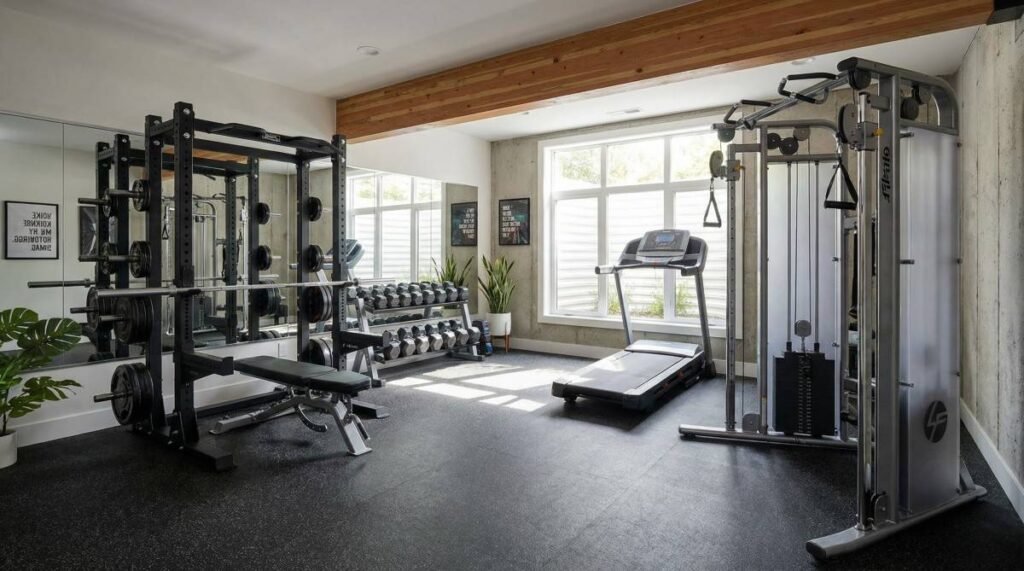
Creating a dedicated home gym is an investment in your health and well-being, offering unparalleled convenience and privacy says KRS Property Management professionals. Whether you’re a seasoned athlete or just beginning your fitness journey, a well-planned home gym can cater to your specific needs and preferences. This comprehensive guide will walk you through the essential considerations for designing a functional, motivating, and safe workout space within your home. From optimizing your layout to selecting the right equipment and incorporating smart storage solutions, we’ll cover everything you need to know to build the home gym of your dreams.
Assessing Your Space and Layout
The first step in designing your home gym is to thoroughly assess the available space. Consider factors such as room dimensions, ceiling height, and flooring. A basement, spare bedroom, garage, or even a dedicated corner in a larger room can be transformed into an effective workout area. Measure the length, width, and height of your chosen space to ensure that equipment will fit comfortably and that you have ample room for movement. High ceilings are particularly beneficial for exercises involving overhead movements, such as presses or jumping. Proper ventilation and natural light are also crucial for creating an inviting and comfortable environment. Additionally, consider the structural integrity of the floor, especially if you plan to incorporate heavy free weights or impact-heavy cardio equipment. Reinforcing the floor might be necessary in some cases to prevent damage and ensure safety.
Once you have a clear understanding of your space, begin planning the layout. Think about the flow of your workouts and how different pieces of equipment will be used. Group similar equipment together, such as cardio machines in one area and strength training equipment in another. Ensure there’s enough clearance around each machine for safe operation and movement. For example, leave adequate space behind a treadmill for emergency stops or around a weight bench for spotting. Consider the placement of mirrors, which can enhance motivation and help you monitor your form, and ensure they are positioned safely away from heavy equipment. Strategic placement of power outlets is also important for motorized equipment, and you might consider installing additional outlets if needed to avoid extension cords, which can be a tripping hazard.
Beyond the physical dimensions, consider the psychological aspects of your space. A clutter-free, aesthetically pleasing environment can significantly boost motivation. Incorporate elements that inspire you, whether it’s a vibrant color scheme, motivational posters, or a view of nature. The goal is to create a space where you genuinely enjoy spending time, making your fitness routine something to look forward to rather than a chore. This thoughtful approach to layout and ambiance will contribute to the long-term success of your home gym.
Selecting the Right Equipment for Your Goals
Choosing the right equipment is paramount to building a home gym that aligns with your fitness goals. Start by identifying your primary workout focus: cardio, strength training, flexibility, or a combination. For cardiovascular fitness, options range from treadmills and ellipticals to stationary bikes and rowing machines. If strength training is your priority, consider dumbbells, kettlebells, resistance bands, a weight bench, or a multi-functional home gym system. For those focused on flexibility and recovery, yoga mats, foam rollers, and stretching straps are essential. It’s also wise to think about progressive overload – how will your equipment allow you to increase intensity over time? For example, adjustable dumbbells can grow with you, offering a wide range of weights in a compact form.
When selecting equipment, prioritize versatility and space efficiency, especially if your area is limited. Adjustable dumbbells or resistance bands can replace an entire rack of fixed weights, saving significant space. Foldable treadmills or wall-mounted squat racks are excellent solutions for smaller rooms. Always consider the quality and durability of the equipment; investing in well-built pieces will ensure longevity and safety. Research brands, read reviews, and if possible, try out equipment before purchasing to ensure it meets your comfort and functional requirements. Don’t forget about accessories like jump ropes, ab wheels, and pull-up bars, which offer great value and versatility without taking up much space.
For those with specific training interests, such as powerlifting or Olympic lifting, specialized equipment like a power rack, barbell, and weight plates will be necessary. However, for general fitness and strength training, a well-chosen set of free weights and resistance equipment can provide a comprehensive workout. Consider the noise level of equipment, especially if your home gym is near living areas or bedrooms. Some machines are significantly quieter than others, which can be a major factor in maintaining household harmony. Ultimately, the best equipment is what you will consistently use and that safely supports your fitness journey.
Equipment Comparison: Space vs. Versatility
| Equipment Type | Space Requirement | Versatility | Typical Cost Range |
|---|---|---|---|
| Adjustable Dumbbells | Low | High (replaces multiple weights) | $150 – $500 |
| Resistance Bands | Very Low | High (full body workouts) | $20 – $100 |
| Treadmill (Foldable) | Medium | Medium (cardio) | $500 – $2000 |
| Multi-Gym Machine | High | High (various strength exercises) | $800 – $3000+ |
| Kettlebells | Low | Medium (strength, cardio, flexibility) | $50 – $300 |
Flooring, Lighting, and Ventilation Considerations
The right flooring is essential for both safety and comfort in a home gym. Standard residential flooring may not withstand the impact of dropped weights or intense cardio workouts. Rubber flooring, typically available in interlocking tiles or rolls, is an excellent choice as it provides shock absorption, protects your subfloor, and offers good grip. For areas with heavy free weights, thicker rubber mats are recommended. For yoga or bodyweight exercises, a softer mat can be placed over the rubber flooring for added comfort. When installing rubber flooring, ensure it’s properly laid to prevent shifting during intense movements, which could lead to accidents.
Effective lighting and ventilation are often overlooked but significantly impact the workout experience. Bright, natural light is ideal, but if not available, invest in good overhead lighting that illuminates the entire space without creating harsh shadows. Consider adding task lighting for specific areas, such as above a mirror. Proper ventilation is crucial to prevent the buildup of odors and maintain a comfortable temperature. If natural airflow isn’t sufficient, consider installing a ceiling fan, an exhaust fan, or using a portable air purifier to ensure fresh air circulation. Good air quality is not only more pleasant but also important for respiratory health during exercise.
Beyond functional lighting, consider ambient lighting to create a motivating atmosphere. Dimmable lights can be useful for different types of workouts, from high-intensity training to calming yoga sessions. For ventilation, cross-ventilation is ideal, but if not possible, ensure mechanical ventilation systems are regularly maintained. Humidity control can also be a factor, especially in basements, to prevent mold and protect equipment from rust. A dehumidifier can be a valuable addition to maintain optimal conditions in your home gym.
Smart Storage and Organization Solutions
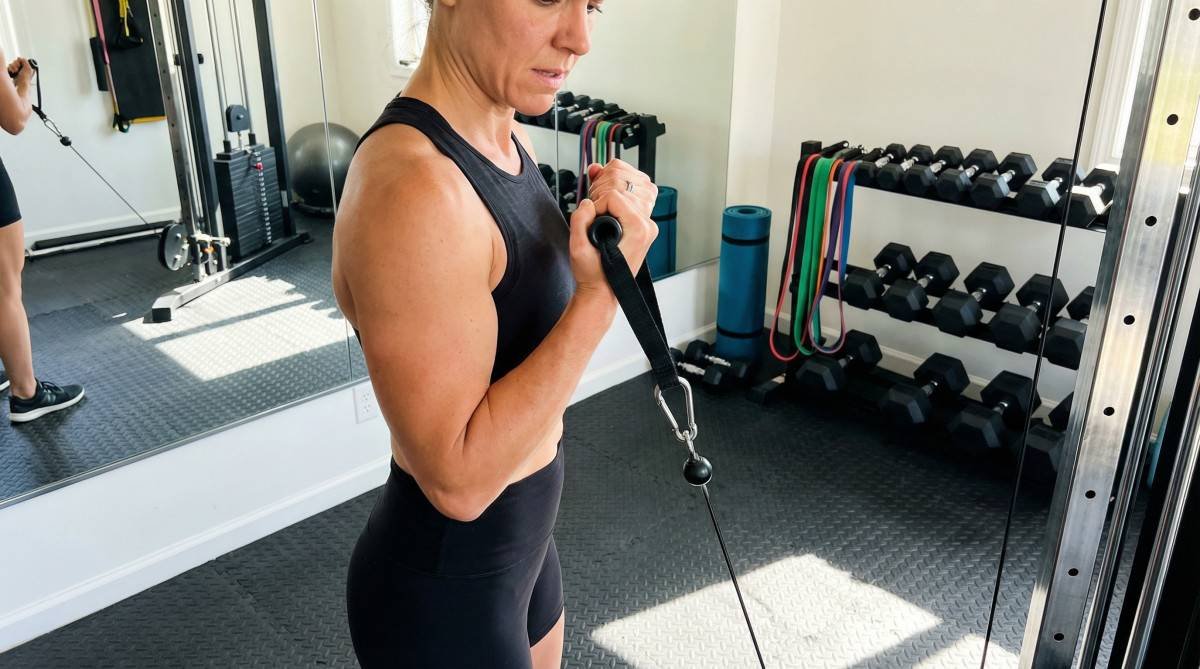
Maintaining an organized home gym is key to a safe and efficient workout environment. Clutter can be a tripping hazard and detract from your motivation. Implement smart storage solutions to keep your equipment tidy and easily accessible. Wall-mounted racks for dumbbells, kettlebells, and resistance bands are excellent space-saving options. Shelving units or cubbies can store smaller items like towels, water bottles, and workout accessories. Consider a dedicated cabinet or drawer for cleaning supplies to keep your equipment hygienic. Custom-built storage can also maximize awkward spaces and integrate seamlessly with your gym’s aesthetic.
Vertical storage is your best friend in a home gym, especially in smaller spaces. Utilize hooks for jump ropes, resistance bands, and even yoga mats. A rolling cart can be a versatile solution for moving smaller equipment around or for temporary storage. Labeling storage areas can further enhance organization, making it easy to find and put away items. Regularly declutter and clean your home gym to ensure it remains a functional and inviting space for your fitness journey. Think about how you use the space – frequently used items should be most accessible, while less common equipment can be stored higher or in less prominent spots.
Beyond physical storage, consider digital organization for your workout plans, progress tracking, and fitness apps. A small desk or shelf for a tablet or laptop can be invaluable. Keeping your workout area clean and free of dust and sweat is also part of good organization, contributing to a healthier environment and extending the life of your equipment. A well-organized gym reduces friction to starting a workout, making it easier to stay consistent with your fitness goals.
Integrating Technology and Entertainment
Modern home gyms often incorporate technology to enhance the workout experience, track progress, and provide entertainment. A smart TV or tablet can be mounted to stream workout classes, follow guided routines, or simply watch your favorite shows while exercising. Consider integrating a sound system for motivating music, which can significantly boost your energy and focus during workouts. Wireless headphones are also a great option for immersive audio without disturbing others in your home. Ensure all technology is securely mounted and cables are managed to prevent accidents and maintain a clean aesthetic.
Fitness trackers and smartwatches can seamlessly integrate with many gym apps and equipment, allowing you to monitor heart rate, calories burned, and overall performance. Smart scales can track body composition changes over time. For a truly integrated experience, some smart gym equipment offers interactive screens with personalized coaching and virtual environments. Ensure you have reliable Wi-Fi coverage in your gym area to support all your connected devices and prevent interruptions during your sessions. Consider a dedicated power strip with surge protection for all your electronic devices.
Beyond entertainment and tracking, technology can also play a role in safety and recovery. Smart lighting systems can be programmed to adjust based on your workout phase, and smart fans can automatically regulate temperature. For recovery, consider smart massage guns or foam rollers that connect to apps for guided routines. The integration of technology should always serve to enhance your workout, making it more efficient, enjoyable, and safe, rather than becoming a distraction. Choose technologies that genuinely support your fitness journey and goals.
Frequently Asked Questions About Home Gym Design
What is the ideal size for a home gym?
The ideal size for a home gym varies greatly depending on the type and amount of equipment you plan to include, as well as the exercises you intend to perform. For basic bodyweight exercises and a yoga mat, a space as small as 6×6 feet might suffice. If you plan to include a treadmill or elliptical, you’ll need at least 8×10 feet. A comprehensive gym with multiple machines and free weights could require 10×12 feet or more. Always ensure there’s enough clearance around each piece of equipment for safe movement and operation.
How much should I budget for a home gym?
The budget for a home gym can range from a few hundred dollars to several thousand, depending on the equipment’s quality, brand, and type. A basic setup with resistance bands, dumbbells, and a yoga mat can be very affordable. Mid-range budgets might include a quality cardio machine and a set of adjustable weights. High-end home gyms with commercial-grade equipment, smart technology, and custom flooring can be a significant investment. Prioritize essential equipment first and expand your gym over time as your budget allows and your needs evolve.
What are the best flooring options for a home gym?
The best flooring options for a home gym are those that provide durability, shock absorption, and good grip. Rubber flooring, available in interlocking tiles or rolls, is highly recommended for its protective qualities and ability to withstand heavy impact. EVA foam tiles are a more budget-friendly option for lighter workouts and bodyweight exercises. For areas with very heavy weights, thicker, high-density rubber mats are ideal. Avoid standard carpet or hardwood floors, as they offer insufficient protection and can be damaged.
How can I maximize space in a small home gym?
Maximizing space in a small home gym involves strategic equipment selection and smart storage solutions. Opt for multi-functional equipment like adjustable dumbbells, resistance bands, or a compact home gym system. Utilize vertical space with wall-mounted racks for weights, hooks for accessories, and shelving units. Foldable cardio machines or wall-mounted squat racks are excellent space-saving choices. Keep the area clutter-free by regularly organizing and putting away equipment after use. Mirrors can also create the illusion of a larger space.
Should I install mirrors in my home gym?
Installing mirrors in your home gym can be highly beneficial for several reasons. They allow you to monitor your form and technique, helping to prevent injuries and ensure you’re performing exercises correctly. Mirrors can also enhance motivation by providing visual feedback on your progress and making the space feel larger and brighter. If you choose to install mirrors, ensure they are safety-backed and securely mounted, especially in areas where heavy weights are used. Position them strategically to avoid glare and to provide the best view of your workout.
Conclusion
Designing a home gym is a rewarding endeavor that empowers you to take control of your fitness journey. By carefully considering your space, selecting appropriate equipment, optimizing flooring and lighting, implementing smart storage, and integrating technology, you can create a personalized workout sanctuary. A well-designed home gym is more than just a collection of equipment; it’s a dedicated environment that fosters consistency, motivation, and ultimately, a healthier lifestyle. Invest the time in planning and setting up your space, and you’ll reap the benefits of convenient, effective workouts for years to come.
