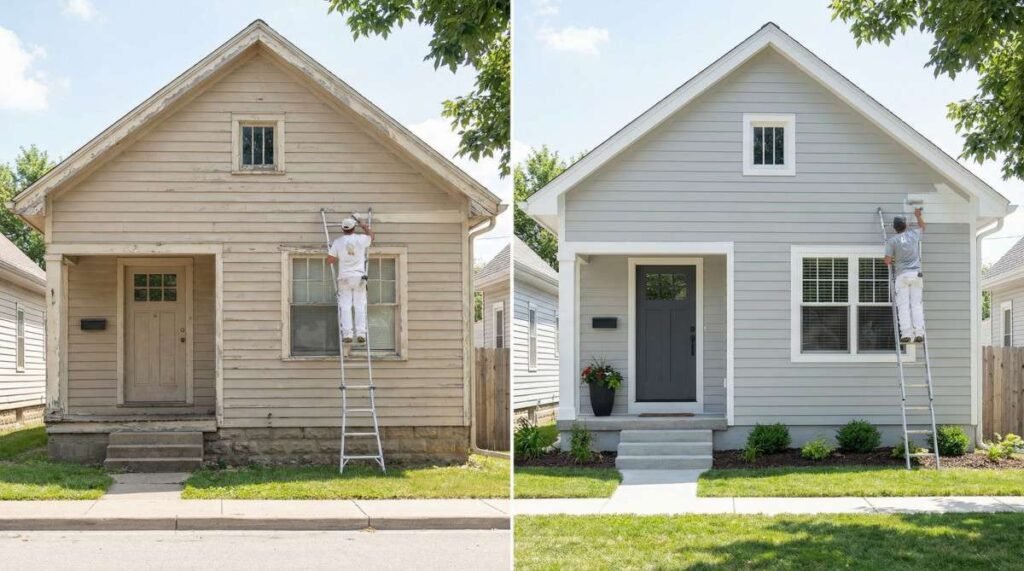
Painting a house is often considered one of the most cost-effective home improvement projects, offering a significant return on investment (ROI) and enhancing curb appeal. For homeowners contemplating a sale, a fresh coat of paint can transform a property’s appearance, making it more attractive to potential buyers, notes Keyrenter Premier experts. This guide explores the various ways painting influences home value, delves into the financial aspects, and provides practical advice on maximizing your investment. Understanding the nuances of color selection, paint quality, and professional application can make a substantial difference in how much value a painting project adds to your home.
The Immediate Impact of a Fresh Coat of Paint
A newly painted home immediately conveys a sense of care and modernity. It suggests to prospective buyers that the property has been well-maintained, potentially masking minor imperfections and reducing the perceived need for immediate repairs. This initial impression is crucial, as buyers often form an opinion about a home within minutes of viewing it. A clean, updated aesthetic can create an emotional connection, making the home feel more inviting and move-in ready. This psychological advantage often translates into quicker sales and, in some cases, higher offers.
Return on Investment (ROI) for Painting Projects
The ROI for painting can vary significantly, but it consistently ranks among the top home improvements for value retention. Exterior painting typically offers a higher ROI than interior painting, though both contribute positively. According to various real estate analyses, homeowners can expect to recoup a substantial portion of their investment. For instance, a quality exterior paint job might see an ROI of 50-70% or even higher, while interior painting can yield 40-60%. These figures are influenced by factors such as the quality of materials, the professionalism of the work, and the current market conditions. Strategic color choices and addressing minor repairs before painting can further boost these returns.
Color Psychology and Market Appeal
Color plays a pivotal role in how a home is perceived. Neutral colors are generally recommended for both interior and exterior painting when aiming to increase resale value. Shades of gray, beige, off-white, and light blues tend to appeal to a broader audience, allowing buyers to envision their own furnishings and decor without feeling overwhelmed by a seller’s personal taste. Bold or highly personalized colors, while appealing to some, can deter others, potentially narrowing the pool of interested buyers. Consulting with a real estate agent or a color consultant can provide valuable insights into popular and market-friendly color palettes in your specific area.
Factors Influencing Value Increase
Several factors beyond the paint itself influence the value added by a painting project. The overall condition of the house, including its age, architectural style, and structural integrity, plays a role. A fresh coat of paint on a dilapidated house will have less impact than on a well-maintained property. The quality of the paint and the preparation work are also critical; cheap paint or poor application can detract from value. Furthermore, the local real estate market, including comparable sales and buyer preferences, will dictate the ultimate financial benefit. Timing the painting project with the selling season can also maximize its impact.
DIY vs. Professional Painters: Cost vs. Value
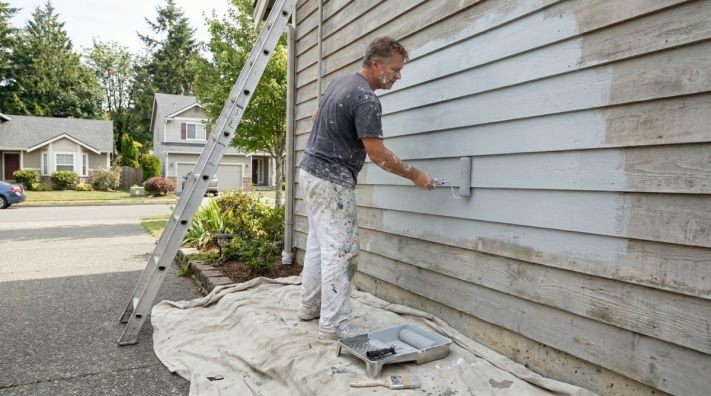
Deciding between a DIY painting project and hiring professionals involves weighing cost savings against quality and efficiency. While DIY can save on labor costs, professional painters offer expertise, speed, and a higher quality finish that can significantly impact perceived value. Professionals are equipped with the right tools, knowledge of proper preparation techniques, and access to higher-grade paints. A poorly executed DIY job, with uneven coats or visible brush strokes, can actually detract from a home’s value. For a significant ROI, especially on exterior painting, investing in professional services is often a wise decision.
Painting ROI Comparison
Understanding the potential return on investment for different painting projects can help homeowners make informed decisions. The following table provides estimated ROI percentages based on typical market conditions and quality of work.
| Project Type | Estimated ROI Range | Key Value Driver |
|---|---|---|
| Exterior Painting | 50-70%+ | Curb appeal, first impression |
| Interior Painting | 40-60% | Modernization, cleanliness |
| Accent Walls | 10-20% | Style update (if neutral) |
| Cabinet Repainting | 30-50% | Kitchen/bathroom refresh |
Frequently Asked Questions
How much value does exterior painting add to a home?
Exterior painting can add significant value, with many reports suggesting an ROI of 50-70% or more. The exact amount depends on factors like location, paint quality, and the home’s overall condition.
Are there certain colors that increase home value more than others?
Yes, neutral colors like grays, beiges, and off-whites are generally preferred by buyers and tend to increase value more than bold or highly personalized colors. These colors offer a versatile backdrop for potential buyers.
Is it better to paint the interior or exterior first when preparing to sell?
Often, exterior painting provides a higher initial ROI due to its impact on curb appeal. However, a clean, neutral interior is also crucial. Many experts recommend addressing the exterior first to attract buyers, then ensuring the interior is equally appealing.
Does painting over old wallpaper decrease home value?
Painting over old wallpaper is generally not recommended as it can look unprofessional and highlight imperfections. Removing wallpaper and painting the underlying walls is usually the better option to increase value.
How long does a good paint job last and affect value?
A high-quality exterior paint job can last 5-10 years, while interior paint can last 3-7 years. The value added by painting is most significant within the first few years after the project, as the paint remains fresh and appealing.
Conclusion
In conclusion, painting your house is a proven strategy to increase its value and appeal to prospective buyers. From enhancing curb appeal and creating a positive first impression to offering a solid return on investment, the benefits are clear. Strategic color choices, quality materials, and professional application are key to maximizing these advantages. While the exact value added can vary, a well-executed painting project remains one of the most impactful and accessible home improvements for homeowners looking to boost their property’s marketability and sale price.
