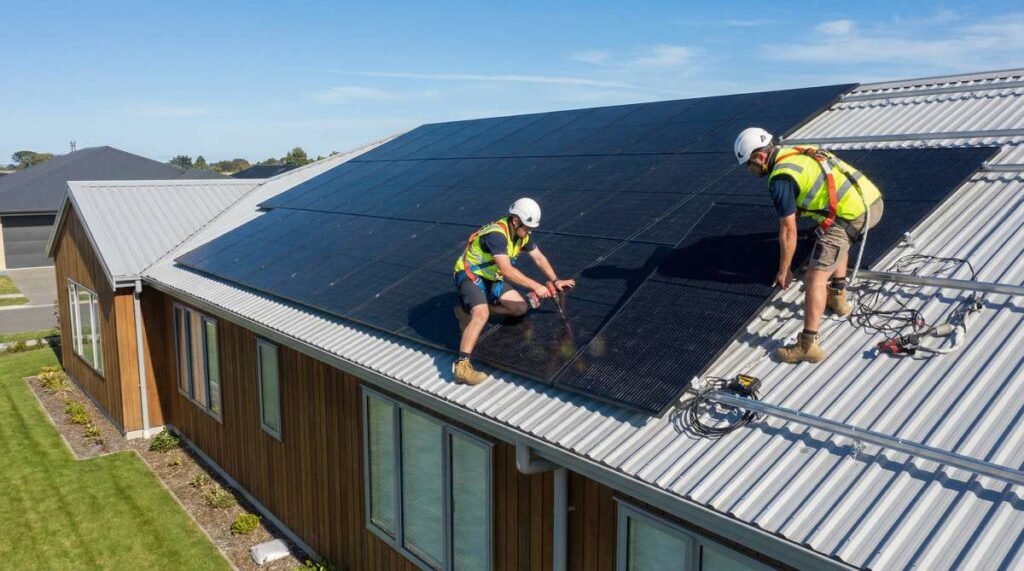
Embracing solar energy is a significant step towards a sustainable future and can offer substantial financial benefits for homeowners and property managers says Richmond Management. The decision to install solar panels involves understanding various factors, from initial investment and energy savings to environmental impact and system maintenance. This comprehensive guide will walk you through the entire process of solar panel installation, providing essential insights to help you make informed decisions and maximize the benefits of your solar investment. We will cover everything from the fundamental principles of solar power to the practical steps of installation, ensuring you are well-equipped to transition to clean, renewable energy. The shift to solar not only reduces your carbon footprint but also provides long-term financial stability against rising energy costs, making it a wise investment for any property owner looking towards a greener and more economical future.
Understanding Solar Energy: The Basics
Solar energy harnesses the power of the sun to generate electricity, offering a clean and renewable alternative to traditional fossil fuels. The core component of a solar energy system is the photovoltaic (PV) panel, which converts sunlight directly into direct current (DC) electricity. This DC electricity is then fed into an inverter, which transforms it into alternating current (AC) electricity, suitable for powering homes and businesses. The efficiency of solar panels has significantly improved over the years, making them a viable and attractive option for energy production in various climates and geographical locations. Understanding these fundamental principles is crucial for appreciating the value and potential of solar power. Modern solar panels are incredibly durable, designed to withstand harsh weather conditions and provide consistent energy output for decades.
Beyond electricity generation, solar energy systems can also be used for water heating and space heating, further reducing reliance on conventional energy sources. The environmental benefits are profound, as solar power produces no greenhouse gas emissions during operation, contributing to cleaner air and a reduction in carbon footprint. Moreover, the modular nature of solar panel systems allows for scalability, meaning they can be designed to meet diverse energy demands, from small residential setups to large commercial installations. This adaptability, combined with declining costs, has propelled solar energy to the forefront of sustainable energy solutions worldwide. The continuous advancements in solar technology promise even greater efficiency and accessibility in the coming years, solidifying its role as a cornerstone of global energy strategy.
The Benefits of Solar Panel Installation
Installing solar panels offers a multitude of advantages, both economic and environmental. Financially, homeowners can significantly reduce or even eliminate their monthly electricity bills, leading to substantial long-term savings. Many regions also offer incentives such as tax credits, rebates, and feed-in tariffs, which can further offset the initial installation costs and accelerate the return on investment. These financial benefits make solar power an increasingly attractive proposition for those looking to control their energy expenses and increase their property value. The value of a home with solar panels often increases, making it a smart investment for future resale as well.
Environmentally, solar panels contribute to a cleaner planet by reducing reliance on fossil fuels and lowering carbon emissions. This helps combat climate change and improves air quality. Furthermore, solar energy enhances energy independence, reducing vulnerability to fluctuating energy prices and geopolitical instabilities that can impact traditional energy supplies. The durability and low maintenance requirements of modern solar systems also add to their appeal, providing reliable power for decades with minimal intervention. Investing in solar is an investment in a sustainable future, securing a cleaner environment for generations to come and fostering energy self-sufficiency for your household.
Key Considerations Before Installation
Before embarking on a solar panel installation project, several critical factors need careful consideration. The first is your home’s energy consumption patterns. A thorough energy audit can help determine your average electricity usage, which is essential for sizing your solar system appropriately. Next, evaluate your roof’s suitability: its age, structural integrity, orientation (south-facing is often ideal in the Northern Hemisphere), and the amount of direct sunlight it receives throughout the day. Shading from trees or neighboring buildings can significantly impact system performance. It’s also important to consider the condition of your roof; any necessary repairs or replacements should ideally be completed before solar installation to avoid additional costs later.
Another crucial aspect is understanding local regulations, permits, and homeowner association (HOA) rules. These can vary widely and may affect the feasibility and design of your solar installation. Researching available financial incentives, such as federal tax credits, state rebates, and local programs, is also vital for maximizing cost savings. Finally, selecting a reputable and experienced solar installer is paramount. Look for certified professionals with a strong track record, positive customer reviews, and comprehensive warranties for both equipment and workmanship. A good installer will guide you through the entire process, from initial consultation to system activation, ensuring a smooth and efficient transition to solar power.
The Solar Panel Installation Process
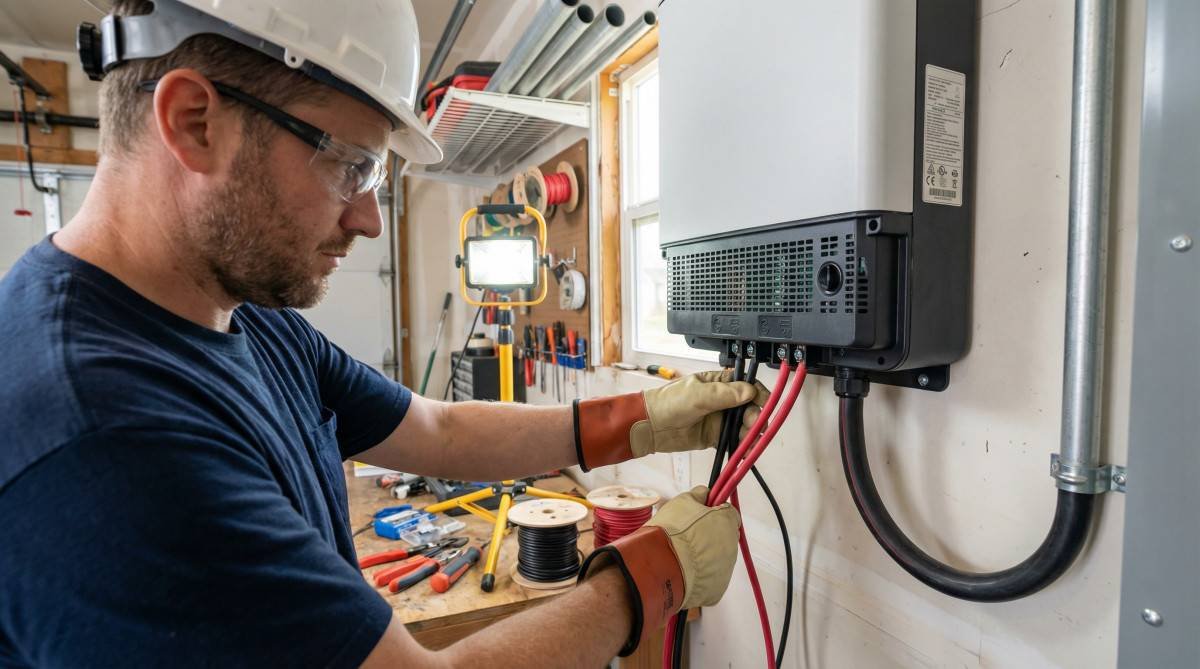
The solar panel installation process typically begins with a site assessment and system design. A solar professional will evaluate your property, analyze your energy needs, and design a customized system that optimizes energy production. This includes determining the number and type of panels, inverter selection, and system layout. Once the design is finalized and permits are secured, the physical installation can commence. This usually involves mounting the racking system onto your roof, followed by the attachment of the solar panels. The structural integrity of your roof is re-checked at this stage to ensure it can safely support the weight of the new system.
After the panels are in place, the electrical wiring is connected, linking the panels to the inverter and then to your home’s electrical panel. A critical step is the installation of a net meter, which tracks the electricity your solar system generates and the electricity you consume from the grid. Finally, the system undergoes inspection by local authorities to ensure compliance with safety and electrical codes. Once approved, your solar system is activated, and you can begin generating your own clean electricity. The entire process, from initial consultation to activation, can take several weeks to a few months, depending on various factors such as permit approval times and weather conditions, but the end result is a fully functional, energy-producing asset.
Maintaining Your Solar Investment
While solar panel systems are known for their durability and low maintenance, a few practices can help ensure optimal performance and longevity. Regular cleaning of the panels, especially in dusty or pollen-heavy environments, can prevent efficiency losses. Most manufacturers recommend cleaning panels once or twice a year, or as needed. It’s also advisable to periodically inspect the panels for any physical damage, such as cracks or loose connections, and to monitor your system’s energy production through monitoring apps or devices. Keeping the panels free from debris like leaves and snow is also crucial for maintaining peak performance, especially during seasonal changes.
Professional inspections every few years can help identify and address potential issues before they escalate. These inspections typically involve checking electrical components, wiring, and the structural integrity of the mounting system. Most solar panels come with long warranties, often 20-25 years, covering performance and product defects. Understanding your warranty terms and keeping records of maintenance can protect your investment and ensure your solar system continues to provide clean energy efficiently for decades to come. Proactive maintenance not only extends the life of your system but also ensures you continue to reap the maximum financial and environmental benefits.
| Feature | Traditional Electricity | Solar Energy |
|---|---|---|
| Source | Fossil Fuels (Coal, Gas, Oil) | Sunlight |
| Environmental Impact | High carbon emissions, pollution | Zero carbon emissions during operation |
| Cost Volatility | Subject to market fluctuations | Stable, predictable energy costs |
| Energy Independence | Dependent on grid and suppliers | Increased self-sufficiency |
| Maintenance | Grid infrastructure maintenance | Low, periodic panel cleaning/inspection |
| Lifespan | Continuous supply (grid) | 25-30+ years (panels) |
Frequently Asked Questions about Solar Panel Installation
How much does solar panel installation cost?
The cost of solar panel installation varies widely depending on system size, location, equipment chosen, and local labor rates. On average, a residential solar system can range from $15,000 to $25,000 before incentives. However, federal tax credits and state/local rebates can significantly reduce this upfront cost, making solar more affordable. It is always recommended to get multiple quotes from different installers to compare prices and services thoroughly.
How long do solar panels last?
Most solar panels are designed to last 25 to 30 years or even longer. Manufacturers typically offer performance warranties guaranteeing that panels will still produce a certain percentage of their original output (e.g., 80%) after 20-25 years. The inverters, however, may need replacement after 10-15 years. With proper maintenance, many solar systems can exceed their warranted lifespan, continuing to provide clean energy for an extended period.
Do solar panels work on cloudy days?
Yes, solar panels still work on cloudy days, but their efficiency is reduced. They convert direct and indirect sunlight into electricity. While direct sunlight yields the highest output, panels can still generate power from diffused light. Modern solar technology is designed to perform well even in less-than-ideal weather conditions, ensuring some level of energy production regardless of cloud cover.
What happens to excess solar energy generated?
Excess solar energy generated by your system is typically fed back into the electrical grid. Through a process called net metering, you receive credits for the electricity you contribute. These credits can then be used to offset your electricity consumption from the grid during times when your solar panels are not producing enough power, such as at night or on very cloudy days. This system effectively turns your electricity meter backward, reducing your overall utility bill.
How do I choose the right solar installer?
Choosing the right solar installer involves researching their experience, certifications, customer reviews, and warranty offerings. Look for installers with NABCEP certification, ask for references, and obtain multiple quotes to compare pricing and services. A reputable installer will also assist with permits and understanding local incentives, providing a comprehensive service that ensures peace of mind throughout the installation and beyond.
Transitioning to solar panel installation is a powerful decision that offers lasting benefits for both your wallet and the planet. By understanding the basics of solar energy, recognizing its numerous advantages, carefully considering pre-installation factors, and knowing what to expect during the installation process, homeowners and property managers can confidently embrace this renewable energy solution. With proper maintenance, your solar investment will continue to provide clean, reliable power for decades, contributing to a sustainable future and enhanced energy independence. Make the switch to solar and illuminate your path to a brighter, greener tomorrow, securing a valuable asset for your property and contributing positively to global environmental efforts.
