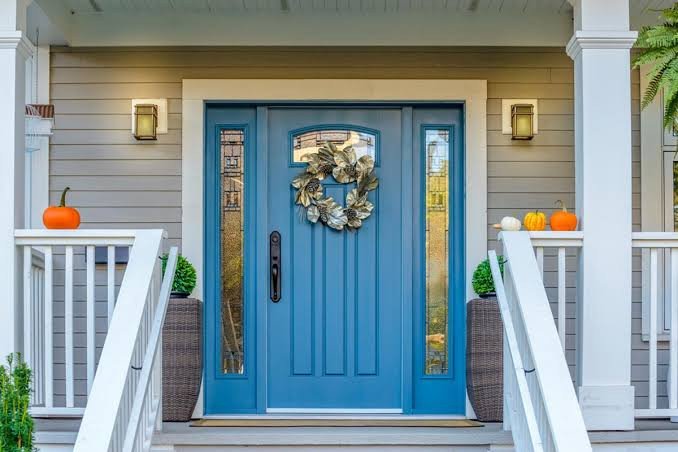
Your front door is the first thing people see when they visit your home, and it plays a major role in curb appeal, security, and energy efficiency. When it is time to replace your entry door, the cost varies significantly depending on the material, style, and features you choose. Understanding the pricing helps you select the right door for your home. Entry doors are available in a range of materials and price points to fit any budget, explains Keyrenter Folsom solutions.
Doors cost $200 to $2,500 installed depending on the material, style, and features. Steel doors are the most affordable at $200 to $700 installed. Fiberglass doors cost $400 to $1,500 installed. Wood doors cost $500 to $2,500 installed. The price includes the door slab, frame, hardware, and professional installation for a complete replacement.
Cost by Door Material
Steel entry doors cost $200 to $700 installed. Steel is the most affordable door material. It provides excellent security and durability. Steel doors are typically filled with foam insulation for energy efficiency. They are available in a variety of styles and can be painted any color. Steel doors dent relatively easily but are the best value for homeowners on a budget who need a secure, energy-efficient door.
Fiberglass entry doors cost $400 to $1,500 installed. Fiberglass is the most popular choice for entry doors because it combines the look of wood with the durability of modern materials. Fiberglass doors resist dents, rot, and warping. They can be painted or stained to match any home style. Fiberglass doors come with high-density foam insulation for excellent energy efficiency in all climates.
Wood entry doors cost $500 to $2,500 installed. Wood provides a traditional, high-end appearance that many homeowners prefer. Mahogany, oak, cherry, and fir are common wood species used for entry doors. Wood doors require regular maintenance including painting or staining every two to three years. They are the most expensive option but offer unmatched beauty and can be customized with decorative glass and carving.
| Material | Cost installed | Durability | Maintenance | Energy efficiency |
| Steel | $200 to $700 | Good, but dents | Low | Good with foam core |
| Fiberglass | $400 to $1,500 | Excellent, no dents | Very low | Excellent |
| Wood | $500 to $2,500 | Good with maintenance | High, refinish regularly | Good natural insulator |
Cost by Door Style
Flat panel doors without glass cost $200 to $800 installed. These are the most affordable entry door style. They provide maximum privacy and security. Flat panel doors work well for side entrances and back doors where appearance is less critical. They are available in all three materials at the lower end of the price range for each material type.
Doors with decorative glass inserts cost $500 to $2,000 installed. Glass inserts add natural light to the entryway and enhance curb appeal. The glass type affects the price. Clear glass is cheapest. Frosted or obscure glass costs more. Decorative beveled glass is the most expensive option. Energy-efficient glass with Low-E coating and argon gas fill adds $100 to $300 to the door price.
Double doors and French doors cost $1,000 to $4,000 installed. These doors create a grand entryway and are popular for larger homes. Double doors require more labor to install because of the additional weight and the need for precise alignment. Sidelites, which are narrow glass panels beside the door, add $200 to $600 per side and increase the overall cost of the door installation.
Installation Cost
Professional door installation costs $150 to $500 for a standard single door. The installation cost is usually included in the total installed price quoted by the door company or contractor. Installation includes removing the old door, preparing the opening, installing the new door frame and slab, adding weatherstripping, and securing the hardware. The installation labor is a significant part of the total cost.
Rough opening preparation adds $100 to $300 if the new door is a different size than the old one. The opening may need framing modifications, siding repairs, or interior trim work. These modifications add to the labor time and the total project cost. If the new door is the same size as the old one, the installation is faster and less expensive because no structural modifications are needed.
DIY installation of an entry door saves $150 to $500 in labor. However, door installation is challenging because of the weight of the door and the precision required for proper operation. A poorly installed door leaks air, does not close properly, and may have security gaps. Professional installation is recommended for entry doors to ensure proper fit, operation, and security for your home.
Additional Features and Costs
Hardware adds $50 to $300 to the total door cost. A quality deadbolt lock costs $30 to $100. A handle set or knob costs $50 to $200. Smart locks with keypad entry cost $100 to $300. The hardware you choose affects both the security and the appearance of your entry door. Investing in quality hardware ensures the door functions properly and provides the security your home needs.
Weatherstripping and door sweep add $20 to $60 to the cost but are essential for energy efficiency. Quality weatherstripping prevents drafts and air leakage around the door. A door sweep seals the gap between the door bottom and the threshold. These items are typically included in the installed price but should be confirmed when getting a quote from the contractor for the project.
Removal and disposal of the old door adds $50 to $150 to the total cost. The contractor must remove the old door, frame, and hardware and dispose of them properly. This is typically included in the installation price. Confirm whether disposal is included when comparing quotes from different contractors for your door replacement project.
A door installation contractor with 20 years of experience said: “The most common mistake I see homeowners make when buying an entry door is choosing the door based on price alone without considering the quality of the installation. A cheap door installed correctly performs better than an expensive door installed poorly. The installation is at least as important as the door itself for energy efficiency and security.”
Energy Efficiency Considerations
Energy-efficient entry doors reduce heating and cooling costs by preventing air leakage. Look for doors with a high R-value for better insulation. Steel and fiberglass doors with foam insulation cores provide the best energy efficiency. Wood doors provide natural insulation but require proper weatherstripping to prevent air leakage around the edges of the door frame.
The Energy Star certification for entry doors ensures they meet minimum energy efficiency standards. Energy Star certified doors are available in steel, fiberglass, and wood. These doors are tested for air leakage, thermal performance, and resistance to heat transfer. Energy Star doors typically cost 10 to 15 percent more than standard doors but provide measurable energy savings over time.
The federal energy tax credit covers 30 percent of the cost of Energy Star certified doors up to $600 per year. This credit helps offset the higher cost of energy-efficient entry doors and makes them more affordable for homeowners. The credit applies to doors installed in your primary residence through 2032, making energy-efficient doors a more attractive investment.
Frequently Asked Questions
What is the cheapest door material?
Steel is the cheapest at $200 to $700 installed. It provides good security and energy efficiency at the lowest cost for most homes.
What is the best door material?
Fiberglass is the best overall door material. It offers the look of wood with excellent durability and low maintenance. Fiberglass resists dents, rot, and warping and provides great energy efficiency.
How long does it take to install an entry door?
Professional installation takes 2 to 4 hours for a single. Double doors or doors with sidelites take 4 to 8 hours for the complete installation.
Can I install an entry door myself?
DIY installation is possible but challenging. Entry doors are heavy and require precise alignment. Improper installation causes air leaks and security issues. Professional installation is recommended for the best results.
How long do entry doors last?
Steel doors last 15 to 30 years depending on the climate. Fiberglass doors last 30 to 50 years. Wood doors last 20 to 40 years with proper maintenance. Proper installation extends the lifespan of any door material.
Can steel entry doors be painted?
Yes, steel doors can be painted any color. Use exterior-grade paint for durability. Painting improves appearance and adds a layer of protection against rust and corrosion on the door surface.
Is there a tax credit for entry doors?
Yes, the credit covers 30 percent of Energy Star door cos. The credit applies to doors installed in your primary residence through 2032.
Do new entry doors add value to a home?
Yes, new entry doors add value to a home. Door replacement recoups 60 to 80 percent of the cost in increased home value. A beautiful, energy-efficient front door also improves curb appeal for the home.
Replacing your entry door is a home improvement project that enhances curb appeal, improves energy efficiency, and increases security. The investment in a quality door and professional installation provides benefits that last for decades and make your home more comfortable and attractive every day.
When shopping for an entry door, consider the material, style, glass options, and energy efficiency features that best suit your home and climate. Comparing options and getting multiple quotes helps you find the best door for your budget and ensures you get the value you expect from your investment.
Choosing the right entry door for your home involves balancing cost, appearance, durability, and energy efficiency. A quality door with proper installation enhances your home appearance, improves comfort, and adds value that lasts for many years of enjoyment.
A new entry door is one of the most impactful home improvements you can make. It enhances the appearance of your home, improves energy efficiency, and provides security for your family. With proper selection and professional installation, your investment pays dividends for many years through lower energy costs and increased property value.
A quality entry door enhances the beauty, comfort, and value of your home. With the right choice of material and professional installation, your new door provides lasting performance and curb appeal that you will appreciate every time you come home.
Investing in a quality front door improves your home security, energy efficiency, and curb appeal for many years of service and satisfaction.
